



To bemoan the trials faced by members of Congress these days may seem naïve, even perverse.
The lawmakers on Capitol Hill represent one of the most hated classes in American public life. If service in Congress has become polarized, fruitless and even dangerous, anti-government rhetoric from Capitol Hill ideologues is at least partly to blame. Public approval for Congress stands at just 25 percent — up a few points from last month, but still well below most public institutions.
Yet it is fair to say that House members and senators are in the throes of an existential, electoral and institutional crisis.
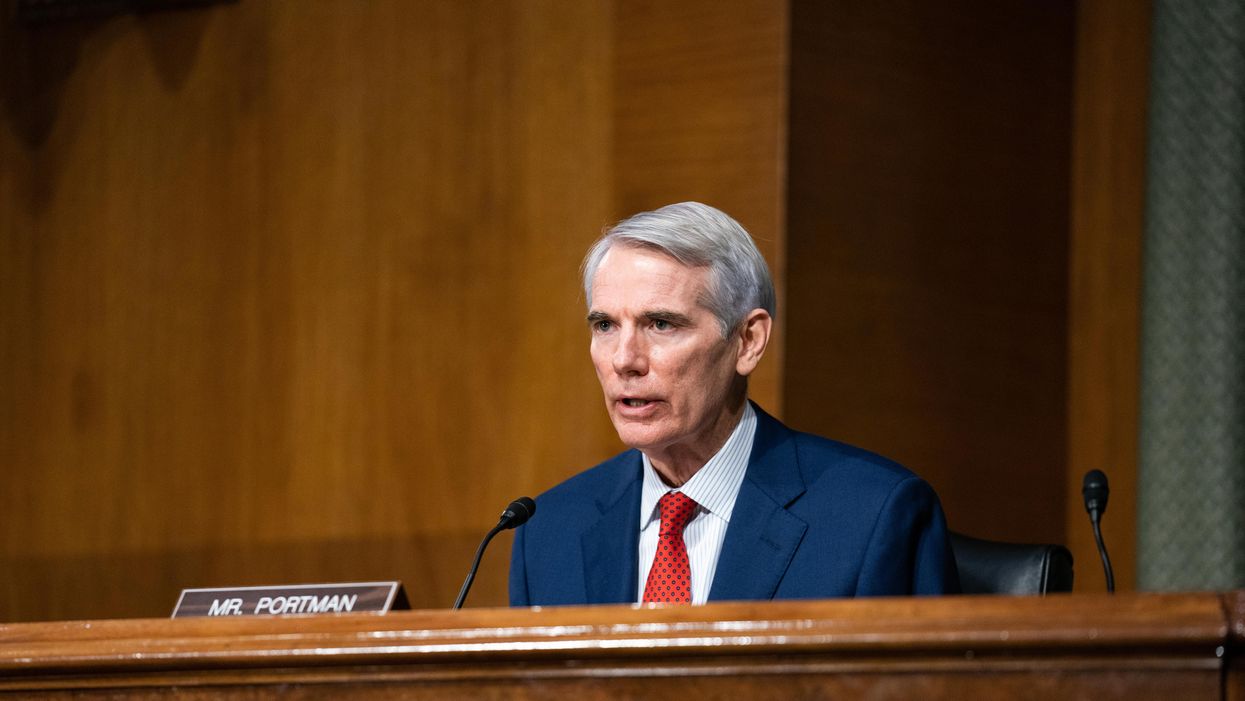
The mob assault on the Capitol is over but the death threats continue, and congressional aides are leaving the Hill in droves. So are many lawmakers, including relative moderates like Sen. Rob Portman of Ohio, one of four Republican senators who have already announced they won't run again in 2022.
A delay in the release of detailed census data that has now stretched to five months, into September, will significantly delay the once-a-decade redrawing of congressional districts — leaving dozens of incumbents as well as their potential challengers in the dark about where they will even run their campaigns and when they can get started.
As Steve Israel, a former congressman who once ran the House Democrats' campaign operation, told Politico, you "have your players lined up," but "you don't know where the field begins and ends."
Renewed Republican assaults on voter access — in the legislatures of many of the biggest states under their control— may also complicate congressional elections, making it harder for candidates in both parties to mobilize and turn out would-be constituents.
All this comes on the heels of an unprecedented, four-year assault on public servants by former President Donald Trump. His evisceration of the professional civil service in federal agencies, and his attacks on state election officials who were then threatened with violence, have been well documented. But Congress, too, was sidelined by Trump's chaotic governing style, and by the constant demand for lawmakers to respond to his erratic tweets and policy moves.
Add to this the logistical hurdles and health threats posed by the pandemic, combined with Congress' ongoing failure to modernize its own operations, and morale on Capitol Hill may have reached a nadir. Deficits in staff training and pay, weakened committees, and escalating partisanship and campaign costs all have taken their toll. Now, in the wake of the Jan. 6 insurrection, many lawmakers are literally fearing for their lives.
"They realize they can't get anything passed," says Brad Fitch, president of the Congressional Management Foundation, a nonprofit that works to make the legislative branch more functional. "They realize the committees have been neutered on some level by leadership. And they can't serve their constituents, because they don't have power to do that."
The problem is not that the supply of congressional candidates will dry up. The 2022 midterm promises to be funded with billions of dollars and extremely hard fought — especially as Republicans, who almost always do well the first election after a Democrat enters the White House, set out to build on 2020 gains that put them only a handful of seats from the House majority.
The problem is rather what caliber of public servant might seek out a life on Capitol Hill as it is today.
Congress has always had its share of colorful outliers, of course. The late Jim Traficant, an Ohio Democrat who was the last person expelled from the House after a 2002 bribery conviction, comes to mind. But the arrival in the House of Georgia's Marjorie Taylor Greene, a far-right conspiracy theorist with little to no policy agenda and recently stripped of both her committee posts, bodes poorly for the institution. So does the departure of Portman, one of a long list of lawmakers known as worker bees willing to work across the aisle who has left or is heading for the exits.
Some lay the blame squarely on the shoulders of Republicans, who even following his departure continue largely to defend Trump, amplify his election falsehoods and stoke ideological divisions and obstructionism.
But the solution to Capitol Hill's woes will not come from one party alone. One of its few bright spots lately has been the work of the House Select Committee on the Modernization of Congress, which toiled in the previous two years to issue 97 bipartisan recommendations for how to make the institution work better — and was rewarded with two more years to propose even more improvements.
The panel's recommendations include shoring up congressional staff and support organizations, streamlining the congressional calendar to create blocks of time for committee work, modernizing the budget process — and encouraging more bipartisan oversight, retreats and training. Some of the proposals are already being implemented and more will be soon. The goal is a Congress that's more transparent, accountable, effective and even civil.
The committee's work is supported by some 70 groups, including the CMF and the Partnership for Public Service, in the vanguard of a growing coalition to reform and revitalize the battered Congress.
It's a mission that's gained urgency since Jan. 6, which spawned a new initiative by close to two dozen civil society groups dubbed CapitolStrong. That coalition will work to strengthen and invest in Congress and those who work there, particularly congressional staff.
Voters "like to demonize the institution," notes Fitch. "But in reality, we need a robust and healthy Congress. We need public service professionals."
Some voters might roll their eyes, but if the "first branch" breaks, democracy will pay the price.
Carney is a contributing writer.