
Skip to content
Search

Latest Stories

Follow Us:
Top Stories

A Second Axial Age Demands Global Leadership Rooted in Hoover’s Ideals

A second Axial Age calls for global leadership grounded in Hoover’s enduring humanitarian ideals.

Opinion

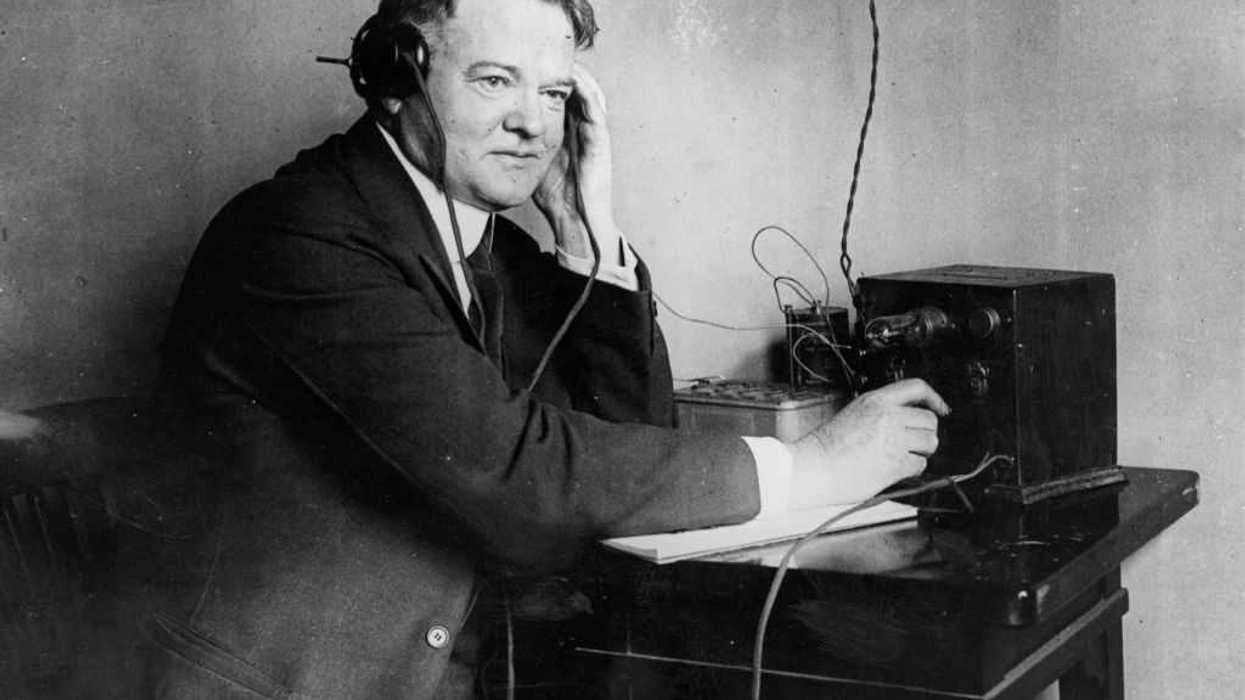
​Herbert Hoover  listening to a one valve radio set.

Herbert Hoover (1874 - 1964), Republican Party candidate for the Presidency of the United States of America, listening to a one valve radio set.

Topical Press Agency/Getty Images

The time has come when we must take an enlarged vision of the future. (Herbert Hoover)

Our 31st President, Herbert Hoover, said this in 1926. Although one hundred years have passed since — and it is always time to take a larger view of the future — his proclamation rings truer now than ever.


The Axial Age refers to a period in human history and a turning point in human development, generally considered the 8th--3rd centuries BCE, when disparate societies shifted away from localized beliefs toward more universal truths. Urbanization, endless warfare, and the rise of empires had broken down tribal structures. With a new collective awareness, people instituted just moral codes and emphasized societal responsibility. These profound changes brought a time of great achievement and promise. Individuals took responsibility beyond their own societies, recognizing that the general good and an improved state benefited all. This “One for All and All for One” collective awareness resulted in a tremendous leap in human achievement.

Hoover was born in a simple two-room cottage in West Branch, Iowa, in 1874 and orphaned at ten. He was a self-made man. An expert mining engineer, he lived and traveled worldwide and was a millionaire by age 40. He gave away most of his fortune; when he made more, he gave away more. He was not motivated by money or by power. He wanted to serve.

Hoover lived a life of public service, embodying the vision our founding fathers had for our nation. The authors of the Constitution did not envision career politicians or PAC money, but people who would serve their constituents. They were to act as leaders, implementing visionary ideas to improve the welfare of individuals and families and thus enhance and promote our country’s welfare.

If there was a President who embodied what the United States strives to be, it was President Hoover, known as the Great Humanitarian. With extraordinary organizational skills, he had a strong ability to work with others and enlist cooperation toward a common goal. In one instance, as Director General of American Relief after World War I, he was responsible for feeding 350 million people in 21 countries. Millions of Europeans credited him with saving their lives.

Hoover served under Presidents Wilson, Harding, and Coolidge before assuming the presidency himself. He won a landslide victory in 1928 and served as president from 1929-1933. But our previous president, Coolidge, and our nation were deafened by the Roaring Twenties and did not listen when he, as Secretary of Commerce, repeatedly warned of impending financial disaster. Much as he tried to circumvent it, Hoover’s presidency was defined by the Great Depression. Yet, after losing to Franklin Roosevelt in 1933, Hoover continued to serve under two more presidents, Truman and Eisenhower.

Many contemporary philosophers believe we are now standing at the threshold of a second Axial Age. Driven by an impending planetary crisis with the triple worldwide threats of climate chaos, global conflicts, and accelerated technological advancement and our increasing dependence on it, we are on the precipice.

Such threats demand a worldwide shift from the “state” to a global perspective, yet we face this tipping point with a dangerously disturbed world order. Governing has a moral component that, if not upheld, will rot a society from within. The “Queen of Hearts” strategy of “off with their heads,” figuratively “decapitating” anyone who disagrees with the “ruler,” does not work now, if it ever did.

Whether millennia ago, during the first Axial Age, or a century ago when Hoover lived, the essential requirements remain the same. Humanitarian qualities must define this movement. Caring for one's fellow man is not a threat to individualism. This is not the time for isolation; it is a time to work together. It is not “us” or “them”; it is all of us.

Now is the time to advance just values and a clear vision. We need statesmen who can see the “bigger picture” and will truly “step across the aisle,” as so few have the courage to do.

There is no reason the United States should not lead the rest of the world as we plunge into this second “Axial Age.” And we will, if we act upon the ideals our country was founded upon.

Our individualism differs from all others because it embraces these great ideals: that while we build our society upon the attainment of the individual, we shall safeguard to every individual an equality of opportunity. I have had every honor to which any man could aspire. There is no place on the whole earth except here in America where all the (children) of man can have this chance in life…. (Herbert Hoover, once again)


Amy Lockard is an Iowa resident who regularly contributes to regional newspapers and periodicals. She is working on the second of a four-book fictional series based on Jane Austen’s “Pride and Prejudice."

Read More

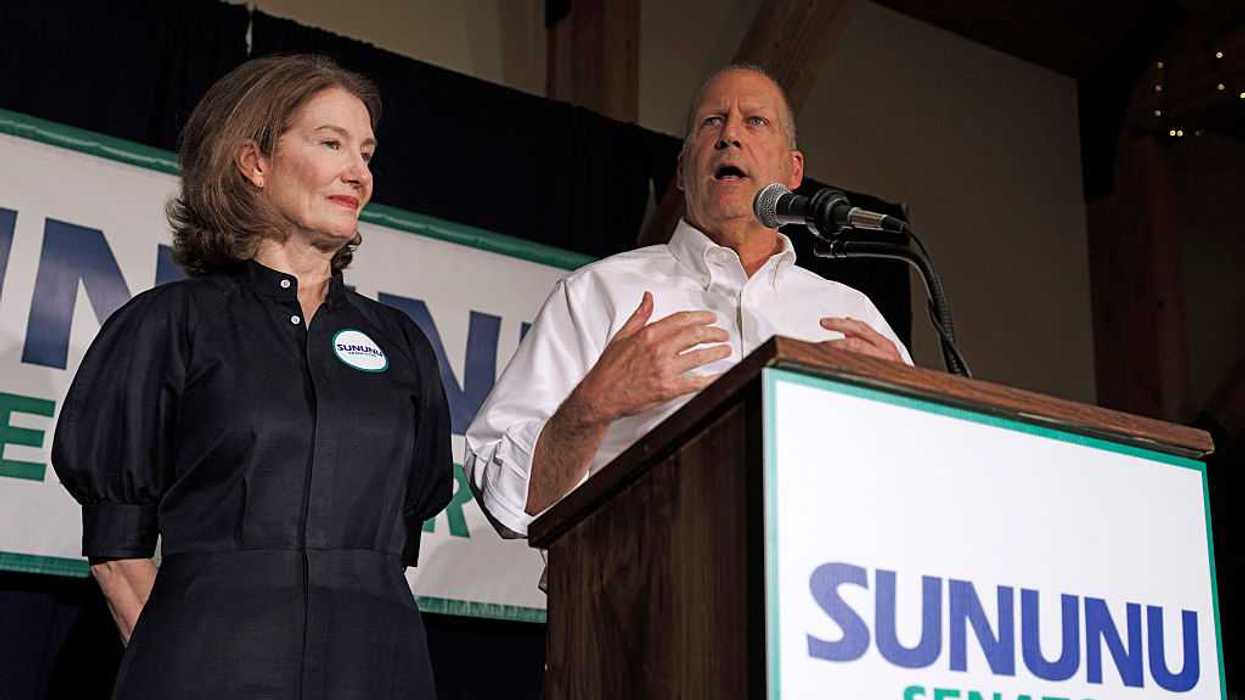
​New Hampshire Republican Senate candidate John Sununu accompanied by his wife Kitty, speaks to supporters at his primary election night watch party on September 8, 2026 in Manchester, New Hampshire

New Hampshire Republican Senate candidate John Sununu accompanied by his wife Kitty, speaks to supporters at his primary election night watch party on September 8, 2026 in Manchester, New Hampshire

CJ Gunther/Getty Images

The Responsibilities of an Inherited Political Name

A familiar surname lets a candidate begin a campaign with part of the introduction already done. The difficult question is which introduction voters have heard. They may know the candidate’s record, trust a relative’s judgment, or have a different person in mind. Those possibilities can produce the same answer to a pollster while describing very different political choices.

New Hampshire’s Senate race makes the distinction unusually visible. John E. Sununu is a former senator whose father, John H. Sununu, and brother Chris both served as governor. Several careers enter a contest for one office through the same surname. The voters must decide how much of that accumulated reputation belongs to the man seeking their vote.

Keep ReadingShow less
Voters in Iowa

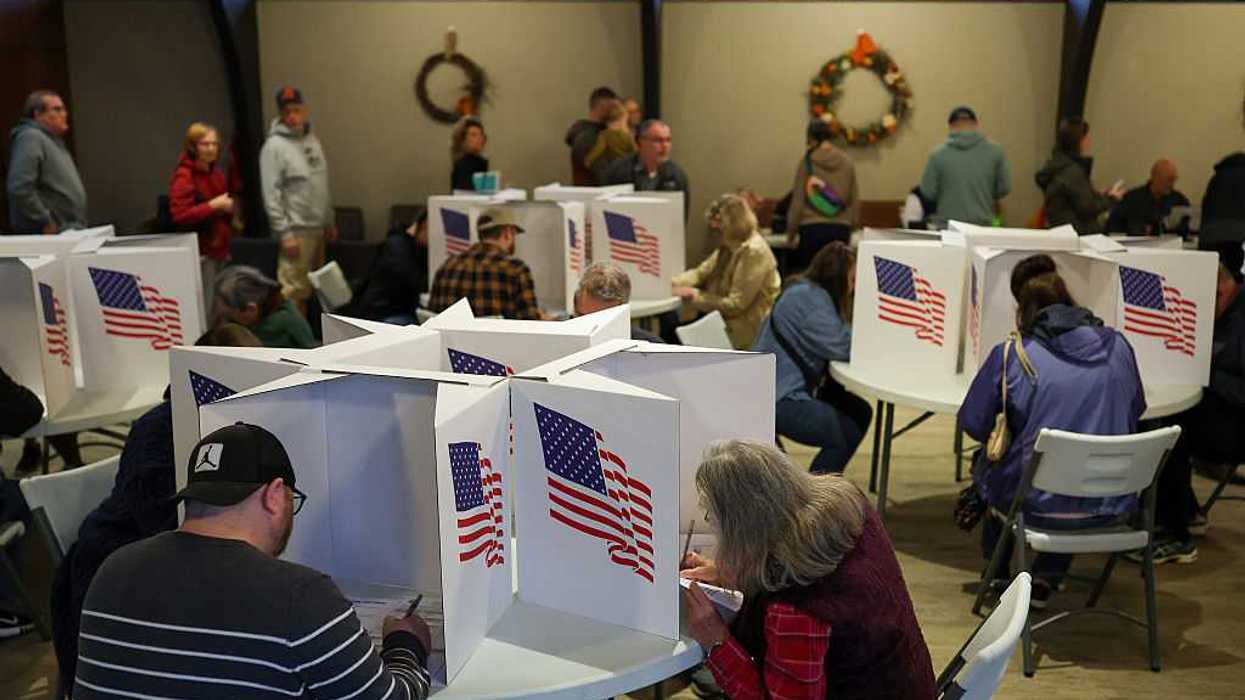
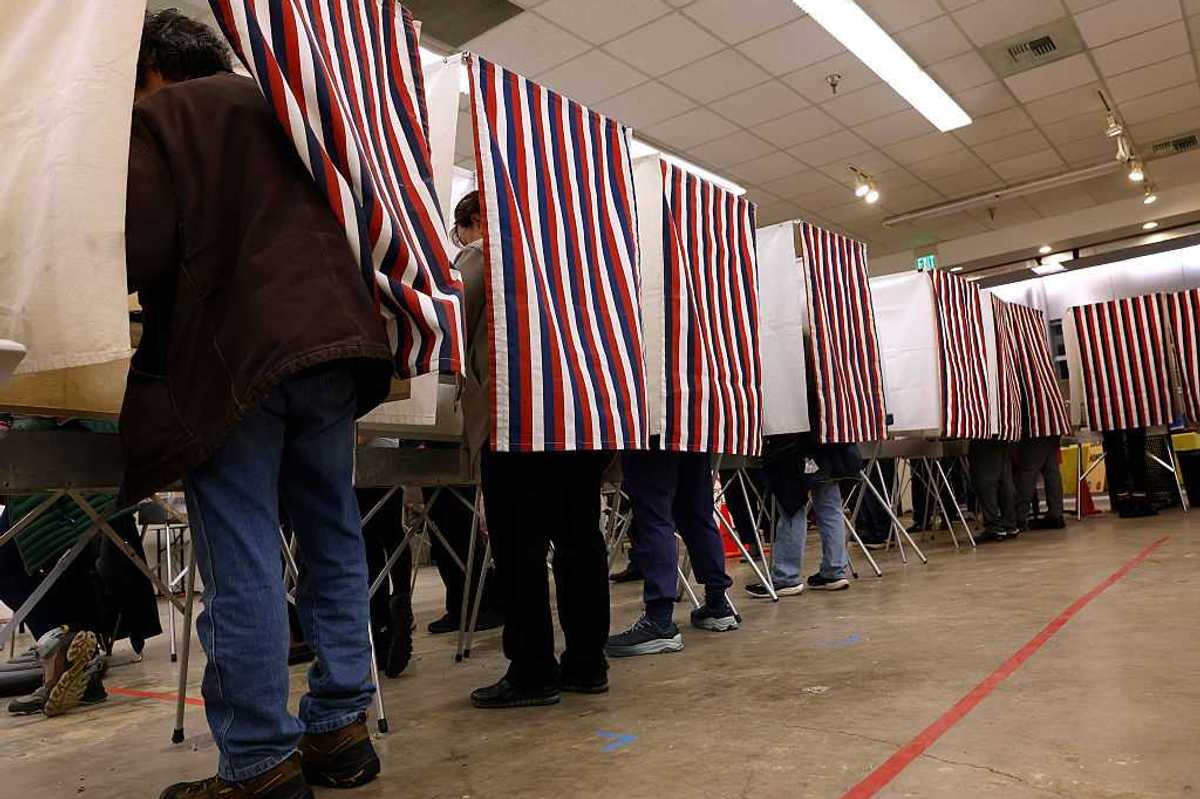
Residents vote at polling station in St. Timothy's Episcopal Church on November 03, 2026 in West Des Moines, Iowa.

(Photo by Anna Moneymaker/Getty Images)

The Fork in the Road: What the 2026 Midterms Mean for MAGA, Democrats, and the GOP

The political earthquake of the 2026 midterm elections has left Washington, DC, in a state of whiplash, delivering a sharp rebuke to the Trump administration and fracturing the expansive coalition that carried him to the White House just two years ago. For Donald Trump, his inner circle, and his most ardent followers, the message from the American electorate is unmistakable: the governing chaos, policy overreaches, and exhausting political theater of the last two years will not fly for the next two

Instead of showing humility following a historic defeat, the president’s immediate elevation of immigration hardliner Stephen Miller to White House Chief of Staff signals a defiant doubling down rather than a constructive course correction. For millions of voters—including the critical Latino demographics alienated by the administration's aggressive deportation campaigns—Miller’s promotion feels like a structural mistake that will only deepen the administration's isolation. If MAGA is to survive past Trump’s tenure, the movement must undergo a radical transformation, moving away from unilateral aggression and toward sustainable governance. As former conservative acolyte Rod Dreher soberly observed following the wreckage of the midterms, “MAGA couldn't deliver on good government. And if you can't deliver on good government, it doesn't matter how charismatic the leader is. It's not going to work.”

Keep ReadingShow less
U.S. Attorney General Todd Blanche

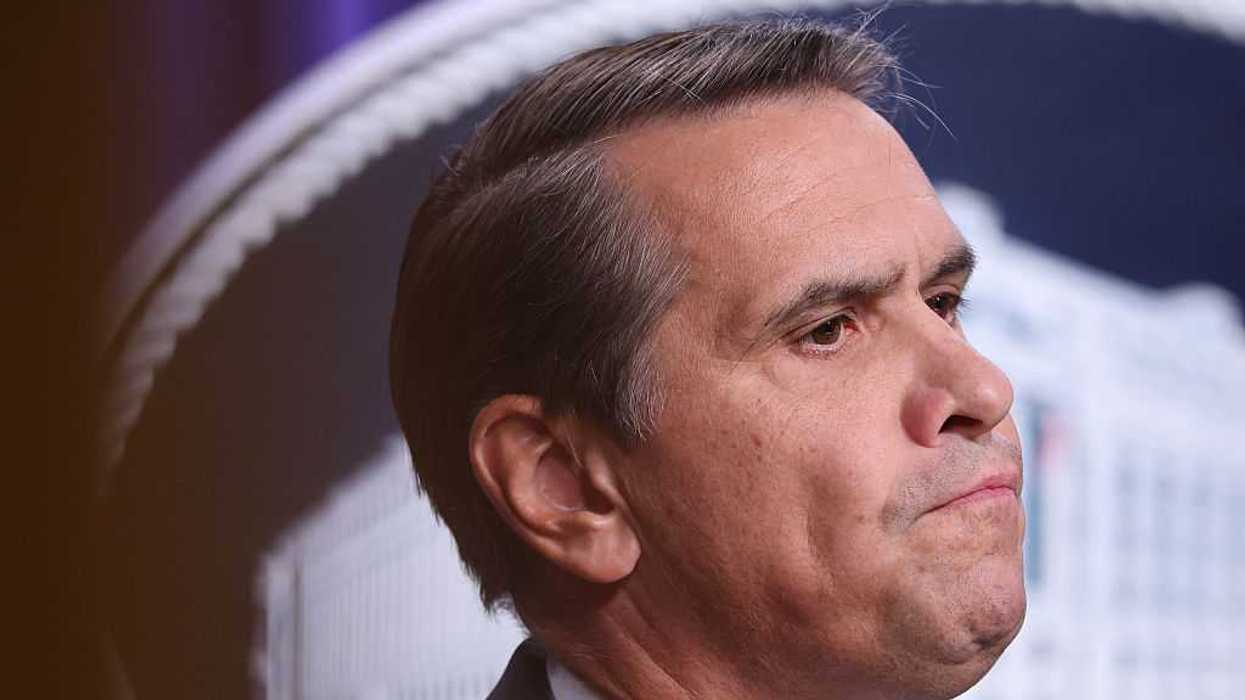
U.S. Attorney General Todd Blanche at the Robert F. Kennedy Department of Justice building on September 30, 2026 in Washington, DC.

(Photo by Anna Moneymaker/Getty Images)

Trump’s Weaponization of the DOJ Threatens Democratic Governance

The dust from the November 2026 midterm elections has barely settled, yet a familiar, toxic chorus of political warfare is already drowning out the clear message from American voters.

With Democrats securing majorities in both the House and Senate, voters signaled a desire for checks, balances, and a focused effort on the pressing economic issues squeezing everyday families. Instead, President Donald Trump has chosen to meet the incoming legislative branch not with an open hand, but with a weaponized Department of Justice.

Keep ReadingShow less
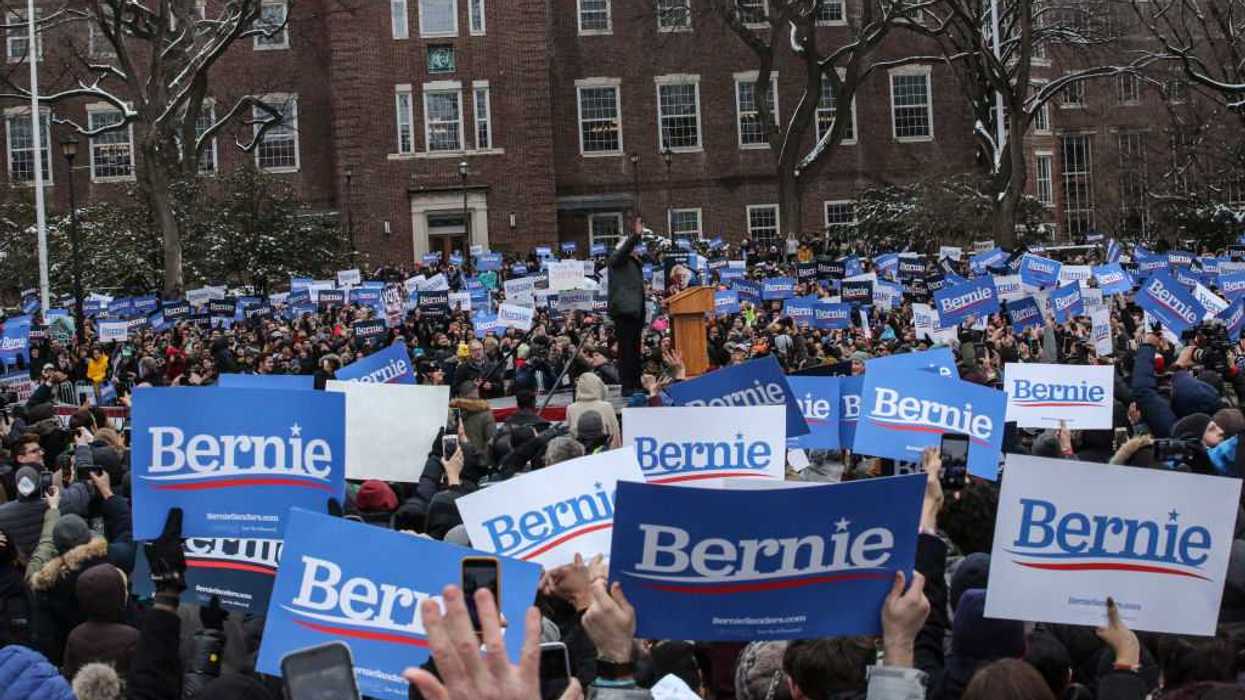
Democratic Presidential candidate U.S. Sen. Bernie Sanders (I-VT) holds his first presidential campaign rally at Brooklyn College on March 02, 2019 in Brooklyn, New York.

A lobbyist who worked for both Bernie Sanders and Fortune 500 clients explains what democratic socialist wins mean for business, and how to prepare.

VIEW press/Getty Images

I Campaigned for Bernie Sanders Then Lobbied for Amazon

In 2016, my political outreach company, Firehouse Phones, worked on the presidential campaign of a democratic socialist. It was one of many campaigns my firm touched, but that one stays on my resume for a reason: it taught me more about how persuasion actually works than any client engagement before or since.

Today I run Ohio River South, a government affairs firm focused on the nation's fastest-growing region — the American South. Over the past decade we've advocated for nearly two dozen Fortune 500 companies — Amazon in my earlier lobbying years, and later growing a client roster that included Alphabet, Microsoft, General Motors, United Healthcare, and Capital One.

Keep ReadingShow less