


Skip to content
Search

Latest Stories

Follow Us:
Top Stories

The women who lead democracy reform

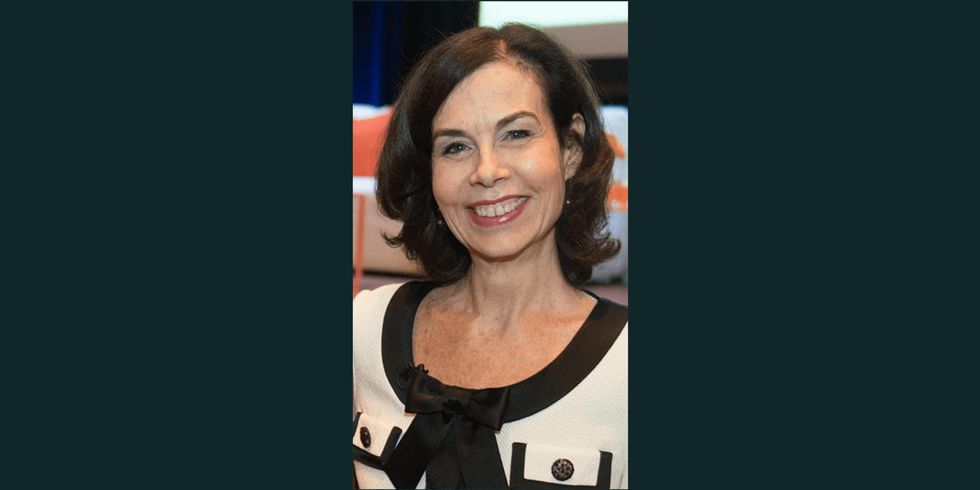
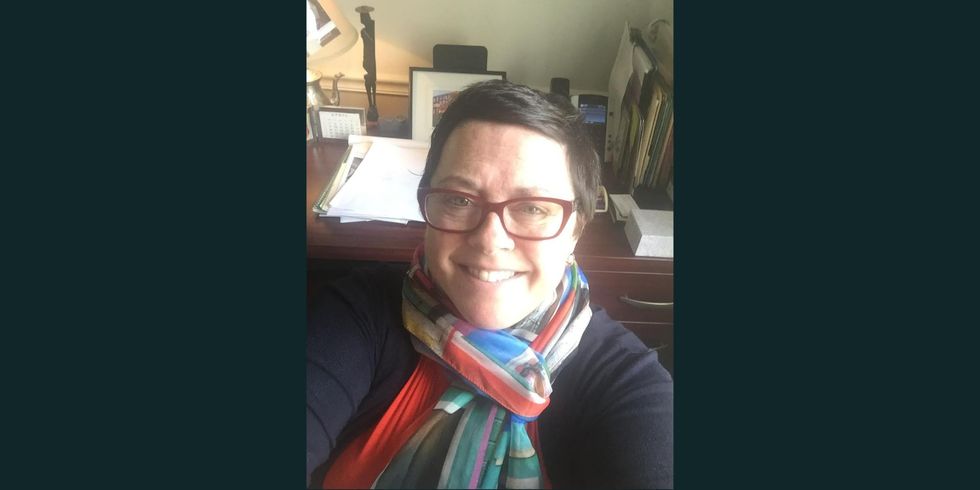
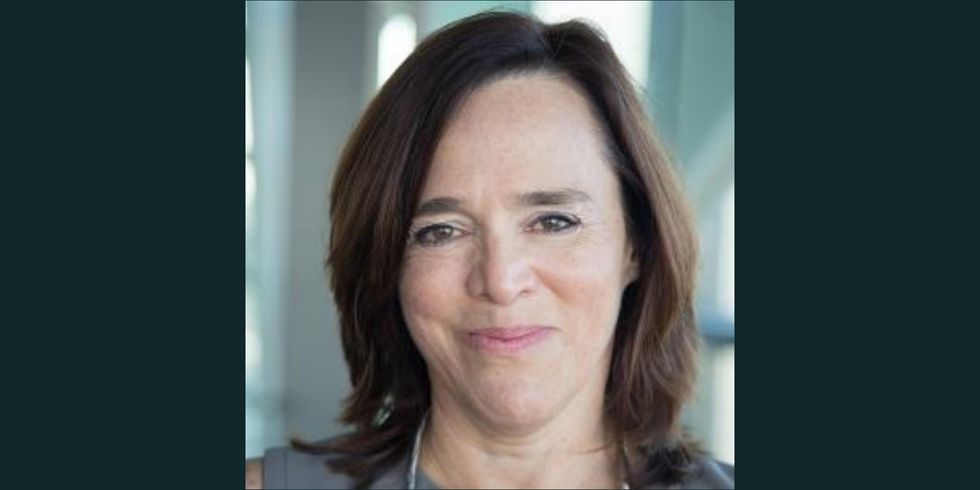
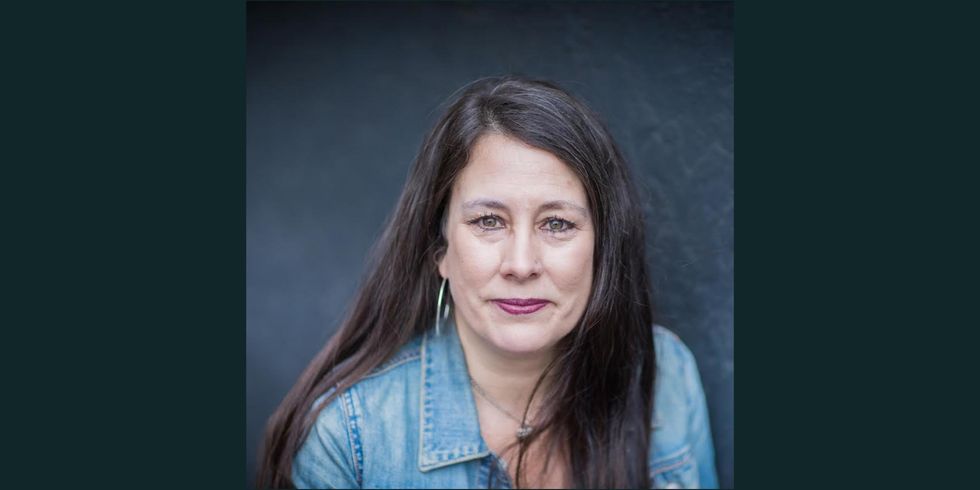
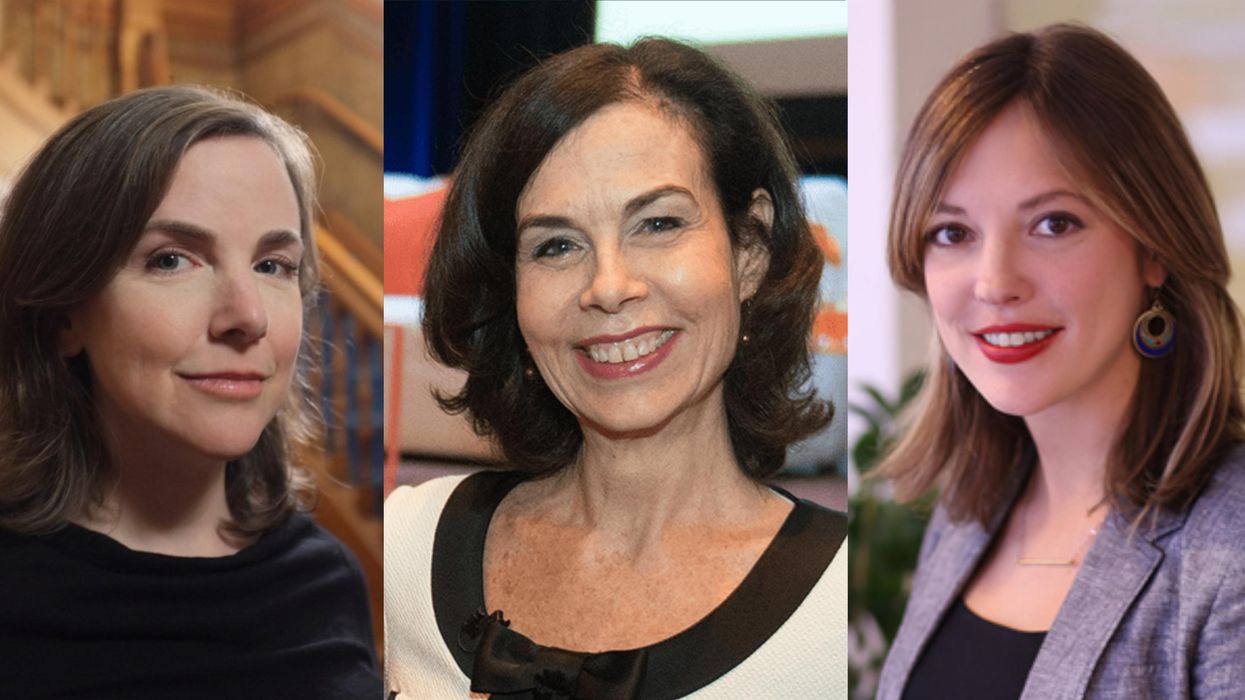
Sara Bonk, Jackie Salit, Justine Williams

While women remain significantly underrepresented in government, there is at least one adjacent field in which they have achieved gender parity in leadership: the universe of democracy reform and bridge-building organizations.

In its 2021 Diversity Report, the Bridge Alliance found that half of the executives leading its 100 member organizations are women. (Disclosure: The Fulcrum is a program within the Bridge Alliance, which brings together organizations working toward a healthy democracy.)


To mark Women’s History Month, The Fulcrum is spotlighting just some of the women leading these organizations.

Sarah Bonk
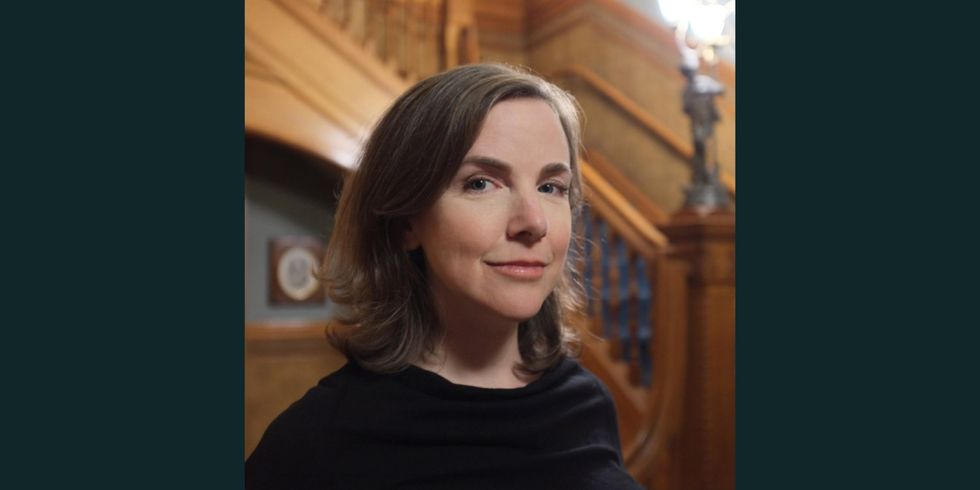
Founder & CEO, Business for America

"Research shows that companies with more women in leadership have better financial performance, more innovation, and less risk. When our public servants more closely resemble America’s diverse voices, our democracy will work better, too. It’s an honor every day to work with women from across the country fighting to make our democracy truly representative."

Read More

Entrance Sign at the University of Florida

Universities are embracing “institutional neutrality,” but at places like the University of Florida it’s becoming a tool to silence faculty and erode academic freedom.

Getty Images, Bryan Pollard

When Insisting on “Neutrality” Becomes a Gag Order

Universities across the country are adopting policies under the banner of “institutional neutrality,” which, at face value, sounds entirely reasonable. A university’s official voice should remain measured, cautious, and focused on its core mission regardless of which elected officials are in office. But two very different interpretations of institutional neutrality are emerging.

At places like the University of Wisconsin – Madison and Harvard, neutrality is applied narrowly and traditionally: the institution itself refrains from partisan political statements, while faculty leaders and scholars remain free to speak in their professional and civic capacities. Elsewhere, the same term is being applied far more aggressively — not to restrain institutions, but to silence individuals.

Keep ReadingShow less