Skip to content
Search

Latest Stories

Follow Us:
Top Stories

Podcast: Trump, power politics, populism & democracy

Podcast: Trump, power politics, populism & democracy

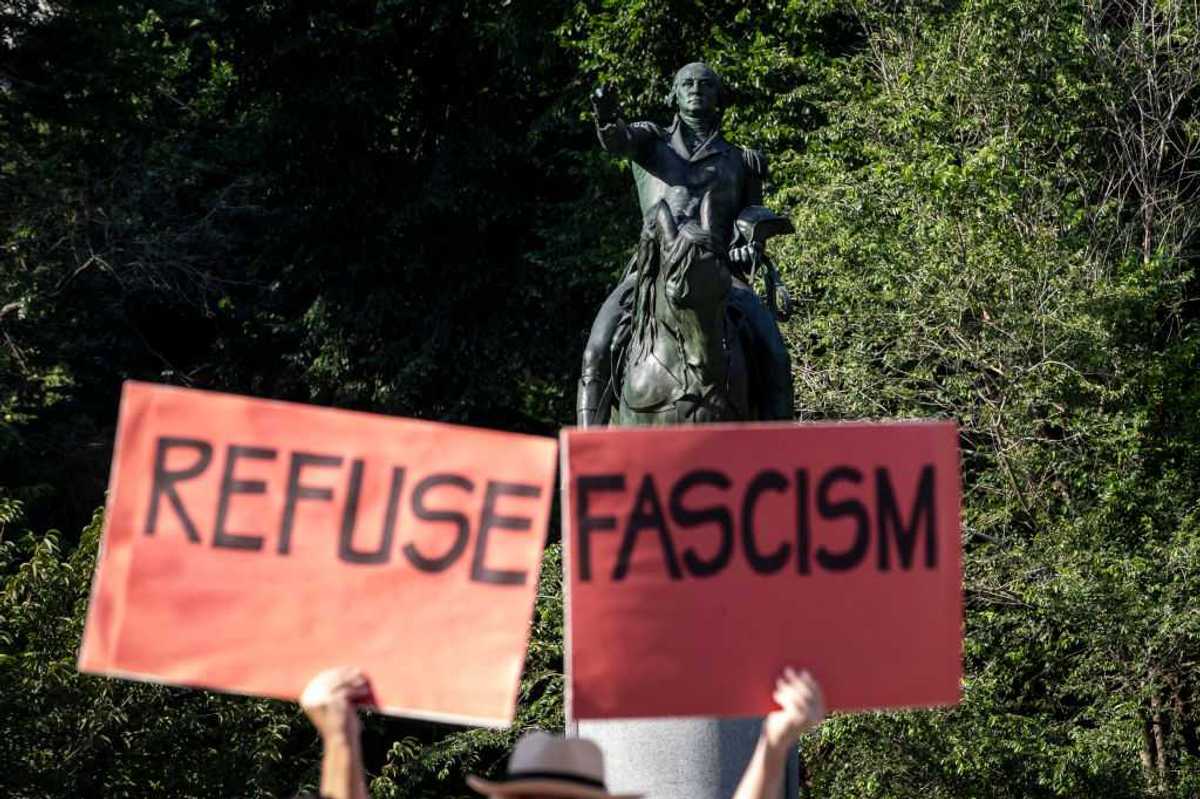
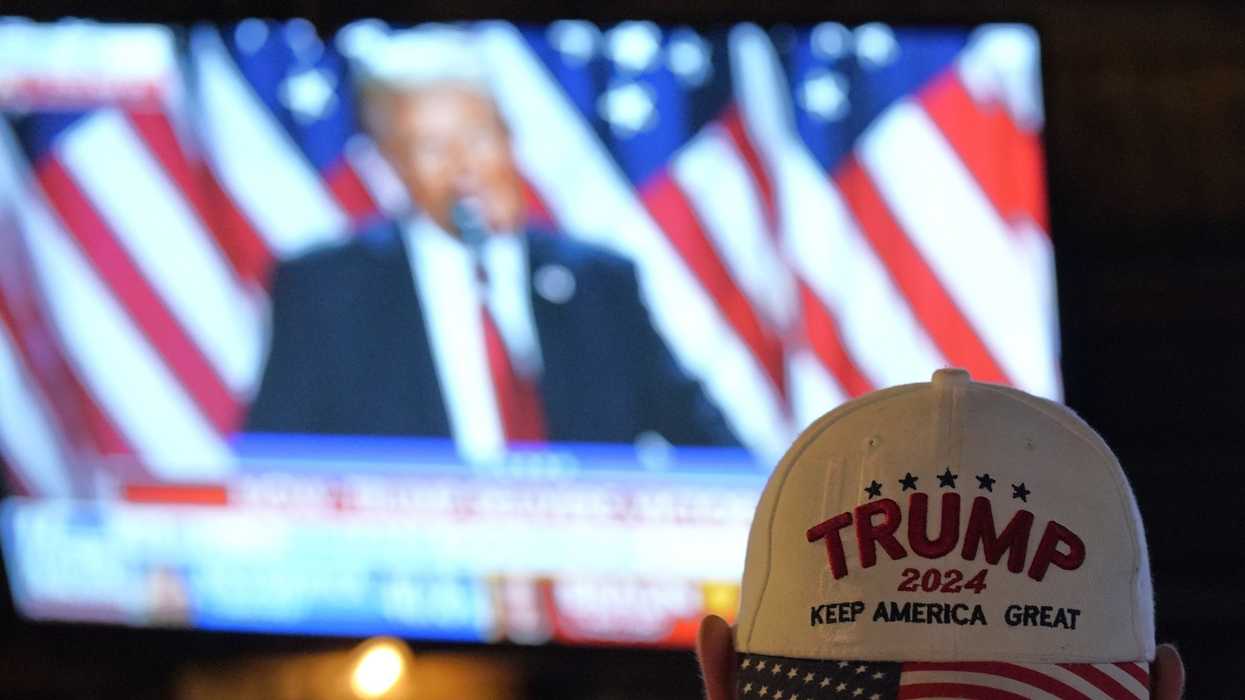
The recent controversy about the seizure of classified government documents at Mar-a-Lago is only the latest example of outrage over former President Trump's behavior, and the responses to it. But the forces shaking American democracy didn't begin with Trump's arrival on the political scene.

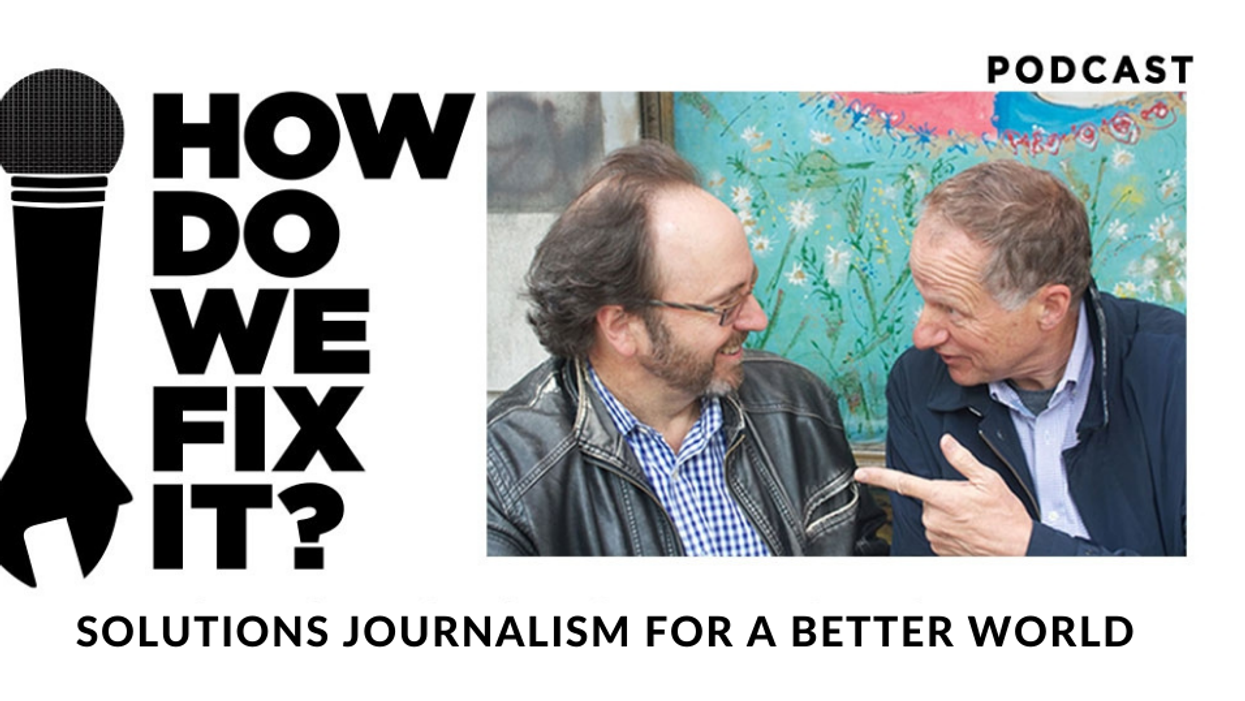
On this episode of “How Do We Fix It?”, we learn why populism, polarization and other threats to public institutions will likely last for the foreseeable future. The show’s guest, Darrell West, vice president of Governance Studies at the Brookings Institution in Washington D.C., is the author of "Power Politics: Trump and the Assault on American Democracy."

https://open.spotify.com

Read More

Entrance Sign at the University of Florida

Universities are embracing “institutional neutrality,” but at places like the University of Florida it’s becoming a tool to silence faculty and erode academic freedom.

Getty Images, Bryan Pollard

When Insisting on “Neutrality” Becomes a Gag Order

Universities across the country are adopting policies under the banner of “institutional neutrality,” which, at face value, sounds entirely reasonable. A university’s official voice should remain measured, cautious, and focused on its core mission regardless of which elected officials are in office. But two very different interpretations of institutional neutrality are emerging.

At places like the University of Wisconsin – Madison and Harvard, neutrality is applied narrowly and traditionally: the institution itself refrains from partisan political statements, while faculty leaders and scholars remain free to speak in their professional and civic capacities. Elsewhere, the same term is being applied far more aggressively — not to restrain institutions, but to silence individuals.

Keep ReadingShow less