

Spaulding is a public policy attorney at Common Cause. Gilbert is executive vice president and Holman is a lobbyist at Public Citizen. Both groups advocate for a broad array of democracy reforms.
This is part of a series advocating for parts of legislation soon to be proposed in the House, dubbed the Protecting Our Democracy Act, designed to improve democracy's checks and balances by curbing presidential power.
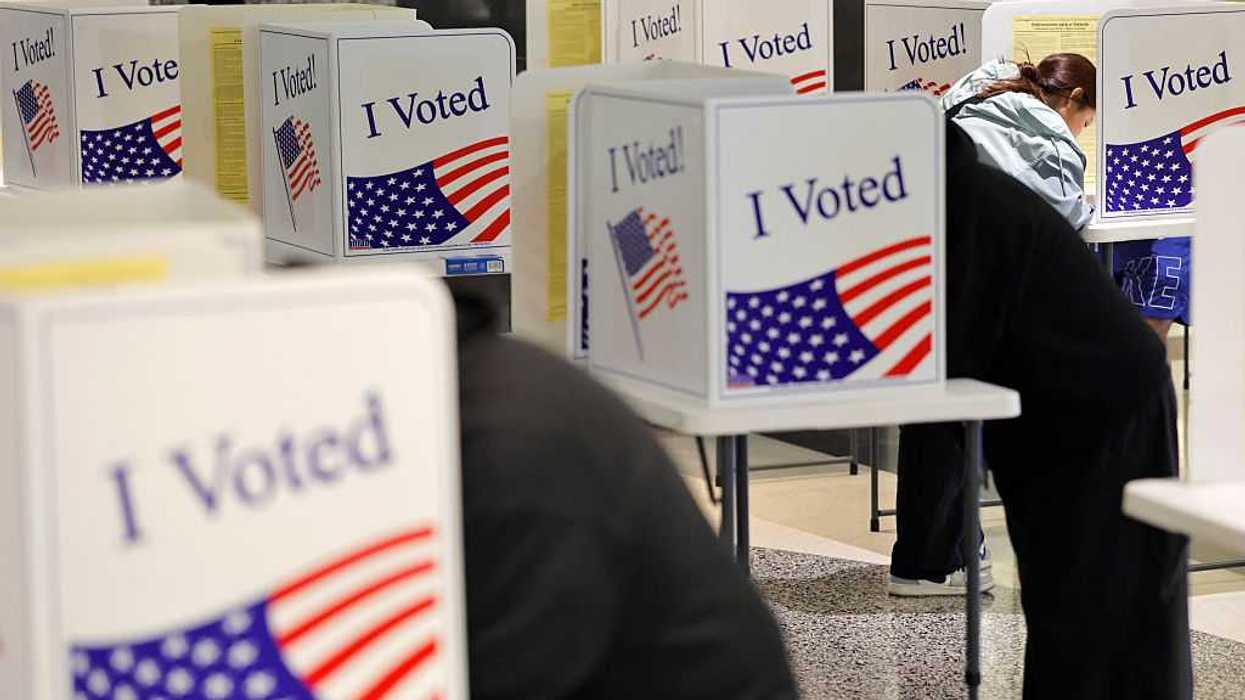
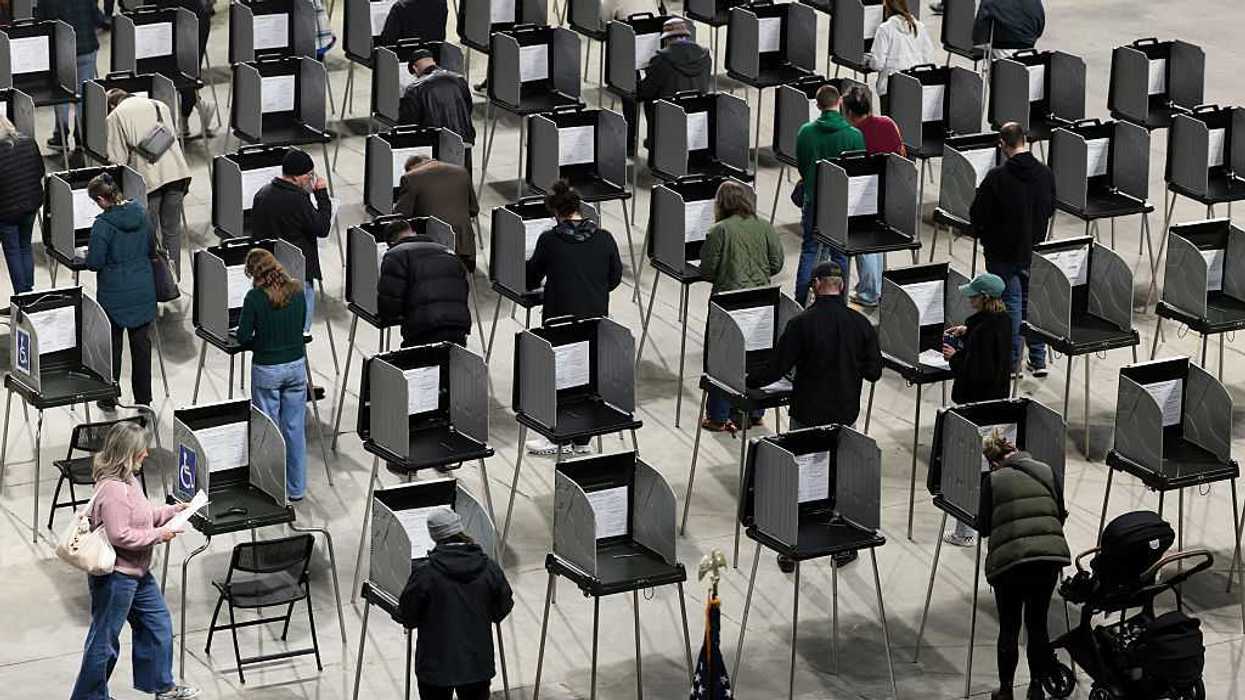
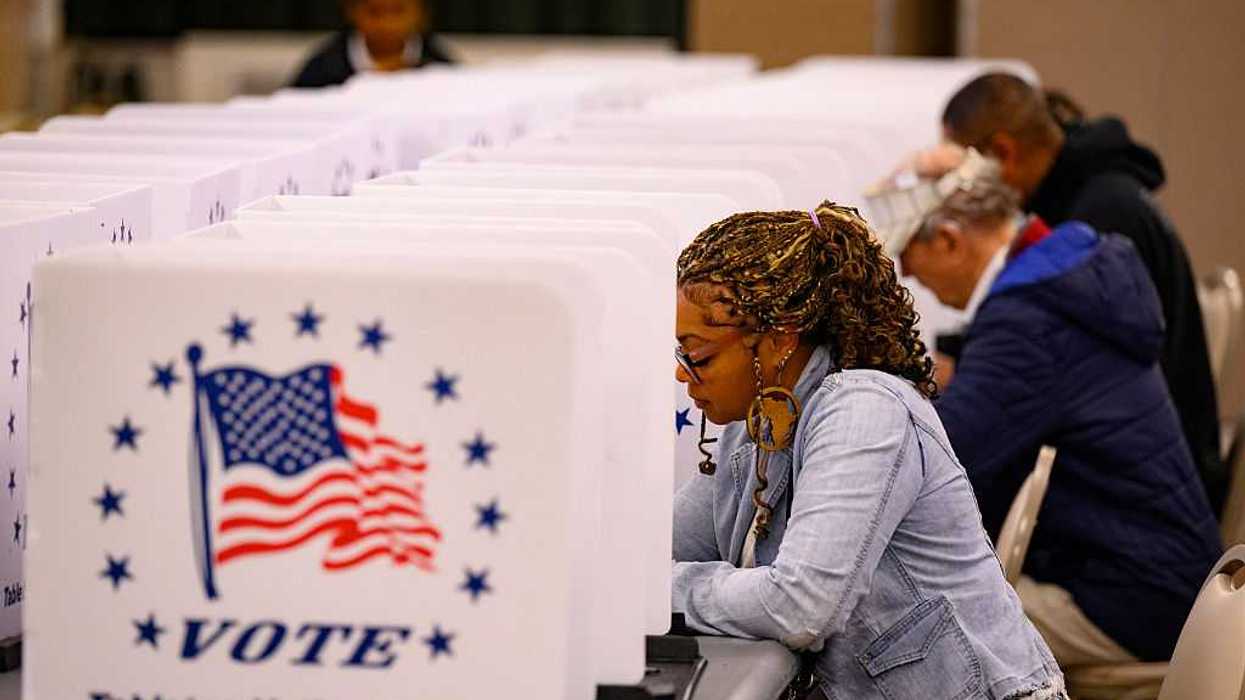
American democracy is resilient. Last November's election "was the most secure in American history," according to the Department of Homeland Security. In the face of immense challenges — threats of foreign interference, rampant disinformation, risks posed by the pandemic — election administrators, organizers, attorneys and advocates worked together to protect the vote. Americans voted in record numbers, casting their ballots safely by mail, drop box and in person.
But the work to secure our elections is not over. Recent investigations have revealed vulnerabilities from foreign actors to political campaigns themselves. Email accounts and cell phones of congressional and campaign staff, for example, can be hacked by foreign actors, who have now grown in number and expanded well beyond those from Russia. Other threats are detailed in the bipartisan Senate Intelligence Committee findings of last year, the final report from special counsel Robert Mueller and a 2017 Intelligence Community Assessment.
Congress must take a comprehensive approach to foreign interference in our elections to bolster confidence in our democratic institutions. Fortunately, the Protecting Our Democracy Act includes two provisions that are on point.
The first would require political campaigns to report to the FBI and the Federal Election Commission offers of illegal campaign help from foreign governments, foreign political parties and their agents. Put simply, if you are running for office and a hostile foreign power — such as a Russian government headed by Vladimir Putin — offers your campaign dirt on your political opponent, you ought to alert the authorities. A version of this proposal, by Democratic Rep. Zoe Lofgren of California, has already passed the House once, last year
The second would clarify that federal law prohibits accepting opposition research and other non-public information from foreign governments when that information is given to influence an election — irrespective of its monetary value. This reaffirms existing law, which has been left under-enforced by the FEC and the Justice Department, prohibiting campaigns from accepting money or any "other thing of value" from foreign principals.
These concerns are not theoretical. For example, Mueller's report detailed how the "Russian government interfered in the 2016 presidential election in sweeping and systematic fashion." His "investigation established that the Russian government perceived it would benefit from a Trump presidency and worked to secure that outcome" and that the Trump campaign "expected it would benefit electorally from information stolen and released through Russian efforts."
The most notorious example is the infamous June 2016 meeting during which senior campaign officials met with a Russian attorney in Trump Tower, anticipating they would receive derogatory information on Democratic nominee Hillary Clinton from the Russian government to help the Republican candidate. This meeting came about after the president's eldest son, Donald Trump Jr., received an email about the "Crown prosecutor of Russia'' and an offer to "provide the Trump campaign with some official documents and information that would incriminate Hillary and her dealings with Russia and would be very useful to your father. This is obviously very high level and sensitive information but is part of Russia and its government's support for Mr. Trump."
Trump Jr. responded in an email that "if it's what you say I love it."
These foreign government efforts to interfere in a presidential election ought to have been reported to law enforcement. At a House Intelligence Committee hearing in 2019, Mueller testified it should be the responsibility of political campaigns to inform the FBI whenever they receive such an offer from a foreign government. He said he "would think that's something they would and should do" because knowingly accepting foreign assistance during a presidential campaign is "a crime in certain circumstances" that undermines democracy and our institutions.
The new legislation would make such an affirmative duty-to-report the law of the land.
Federal law prohibits any person from soliciting from foreign nationals — including a foreign government — a contribution of money or other thing of value in connection with an election. This includes opposition research, the very sort of purported dirt that Russia offered the Trump campaign in 2016. As FEC Commissioner Ellen Weintraub wrote, "information can qualify as a thing of value," and "political campaigns pay millions of dollars to acquire polling data, contact lists, and opposition research services."
Mueller confirmed that a "campaign can be assisted not only by the provision of funds, but also by the provision of derogatory information about an opponent. ... A foreign entity that engaged in such research and provided resulting information to a campaign could exert a greater effect on an election, and a greater tendency to ingratiate the donor to the candidate, than a gift of money."
Still, Mueller noted that there are challenges in valuing such promised information — in other words, putting a dollar figure on it — to meet certain thresholds for violations of federal campaign finance law.
The House legislation clarifies that for purposes of the foreign money ban, a thing of value includes opposition research, polling, or other non-public information relating to a candidate for election, regardless of whether such information has monetary value.
The bill would shore up elections from interference by hostile foreign governments. Although the 2020 election is fresh in the rearview mirror, the 2022 campaign will be upon us before we know it. These problems must be addressed now. These reforms are an essential and comprehensive approach to strengthening our democratic institutions.