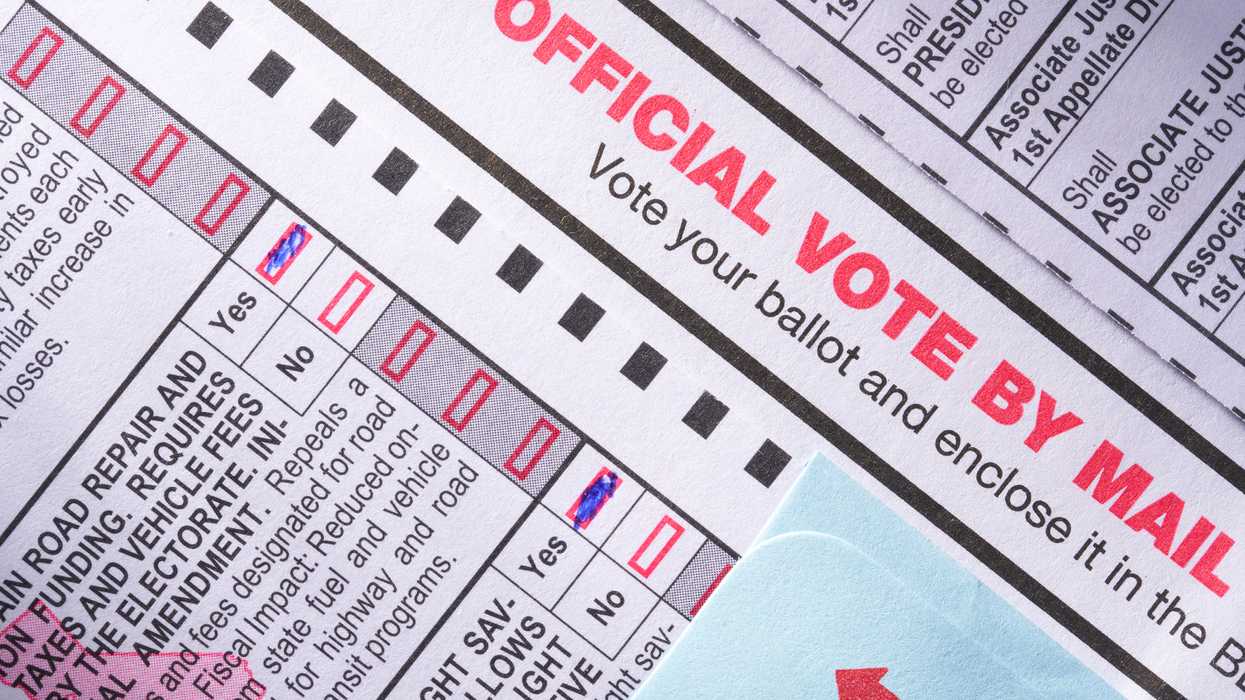





Personal information on voters in 40 states is readily available to online searchers, sometimes including home addresses, voting history and race.
That was what Aki Peritz, a former CIA counterterrorism analyst, found when he tapped into the online voter registration systems in all the states and Washington, D.C.
In an op-ed for the Washington Post, he said North Carolina makes the most personal information available. Searchers need enter only a first and last name, and the State Board of Elections and Ethics Enforcement will furnish a home address, voting status, voter registration number, party, race, ethnicity, registration date, polling place and a complete voting record. Other states that reveal large amounts of personal information include Kansas, Montana, Oregon, South Carolina, South Dakota, Washington and Wisconsin.
"There is certainly a transparency-in-government argument to be made in making this data available to the public. Maybe having this information in the wild, for anyone to view, doesn't seem worrisome; after all, some addresses and phone numbers are still in the phone book, assuming you can find one," Peritz wrote. "It's nonetheless troubling because an individual can opt out of the telephone directory, but one can't opt out of being in the official voter database, unless a voter deliberately chooses not to ever vote again. Millions of American voters shouldn't have to disenfranchise them











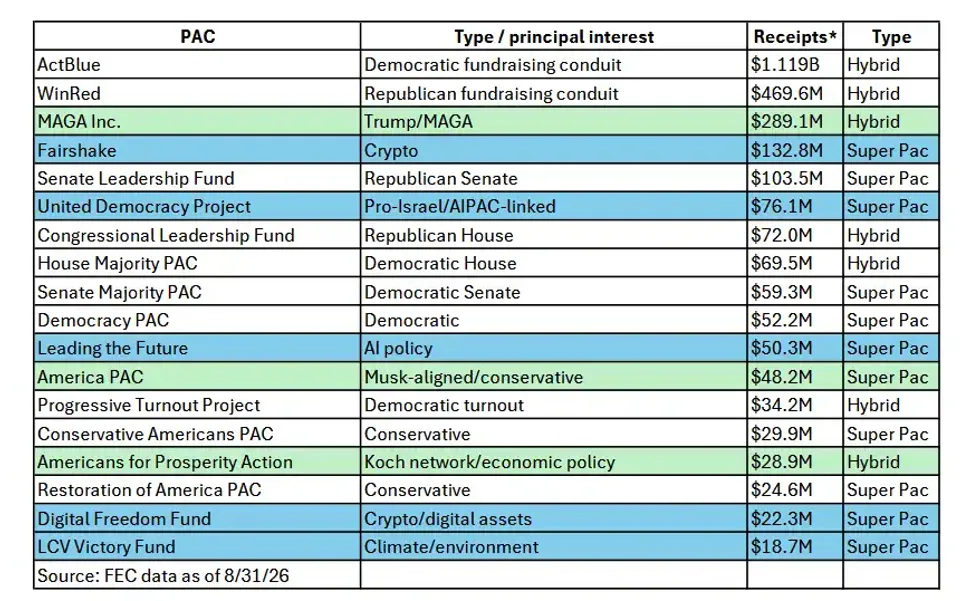 In terms of money flowing through the campaign-finance system, political action committees (PACs) are three times more active than candidates running for reelection or office. That is concentrated political power that leaves many congressional candidates running for reelection or office dependent on PAC support.