






New Haven, CT, has a long history of addressing the overall needs and assets of young people to help kids succeed. A five-time All-America City, the city boasts strong out-of-school programs and a history of focusing on the wellbeing of young people from low-income populations that stretches back over 60 years.
Leadership, Education, and Athletics in Partnership (LEAP) is a community-based nonprofit founded more than 30 years ago to “address the historic disinvestment in young people of color in our city.” The program includes two community centers that offer recreation, tutoring, and leadership development programs to kids, teens, and young adults.
One of the youths profiled in LEAP’s annual report, a 13-year-old girl named Korrie, had been in the LEAP program since she was seven years old. As a young “LEAPer,” she was active in basketball and “Expos” presentations, and, says the group’s annual report, “hopes to be an OB-GYN nurse, and she believes LEAP is helping her get there. ‘My communication skills are better now,’ she said, ‘and I've learned how to research and learn independently. That will definitely be important for my future career.’"
Another organization supporting New Haven’s youths is Bridges of Hope, which offers tutoring and mentoring by volunteers from New Haven-area churches of various denominations. Kathy Jennings, Director of Mentoring for the organization, told the All-America Cities jury in 2022 about their partnership with the Elm City Housing Development, in which they provide services to kids from the development’s homes. “Some who struggled with basic skills in 1st and 2nd grade made the honor roll in successive years,” she said.
Although it’s home to Yale University, New Haven has a surprisingly high poverty rate. This fact, along with high crime rates and population loss, motivated residents to begin organizing in the 1990s, including beautification and community development initiatives and block watch groups. As part of its decentralization of city services, the city divided neighborhoods into 12 Community Management Teams (CMT’s), resident-based groups that hold monthly meetings in which city officials participate to share information and hear about neighborhood concerns.
With much of the city’s focus on the wellbeing of young people, a coalition of youth-serving agencies, the Greater New Haven Youth Network, was formed in 2020 to better coordinate out-of-school programs. The network, which includes dozens of nonprofit organizations, says it “brings an all-hands-on-deck approach to support, their staff, and the children, youth, and families they serve.”
New Haven’s focus on the overall needs of young people stems partly from activities nearly 60 years ago, when the city was the epicenter of a new approach to schooling that treated children's needs and assets holistically. The system, called the School Development Program (SDP), was created by Yale researcher Dr. James Comer in 1968. Comer saw that local schools were not succeeding and blamed a “business/manufacturing model” aimed at moving kids through, rather than a collaborative model that harnessed parents, professionals, and the community to work together to focus on the needs and behavior of students in a holistic manner. Under this system, each school has a multi-sector governance committee that oversees policies and practices to improve performance and child development.
The SDP program was initially piloted in two New Haven elementary schools, which later showed measurable gains in educational performance. A recipient of the Heinz award in 1996, the program was cited by independent studies, one of which tracked 24 Comer students against 24 peers in another New Haven school and found the Comer group more than a year ahead in reading and math after three years. Within a few years, Comer’s SDP approach spread to hundreds of schools across 20 states, where it demonstrated measurable improvements in both academic achievement and behavior.
While SDP itself is seldom mentioned today, the core concepts continue, if not in schools, then in nonprofits providing related services, including New Haven’s youth agencies. Concepts like treating kids’ overall needs and involving parents in creating a set of values that include respect and high expectations, when supported with sufficient resources, generally lead to both academic gains and benefits for the whole community, and this remains a goal in New Haven, CT.
New Haven, Connecticut, was named a National Civic League All-America City in 2022. The All-America City Award recognizes communities that leverage civic engagement, collaboration, inclusiveness, and innovation to successfully address local issues.
Doug Linkhart is the President of the National Civic League.












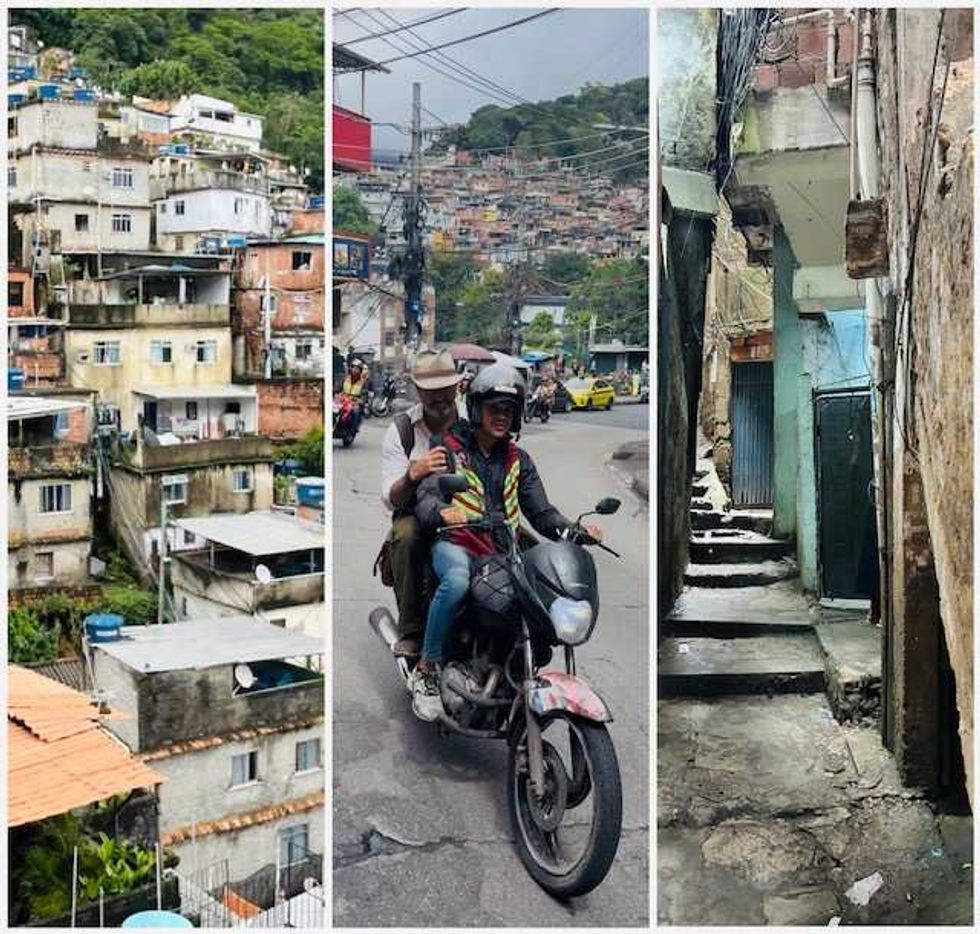 Scenes from Favela Rocinha, Brazil - (R-L) Rows of brick homes, Hugo Balta on a motorcycle taxi, and steep, winding roadsHugo Balta

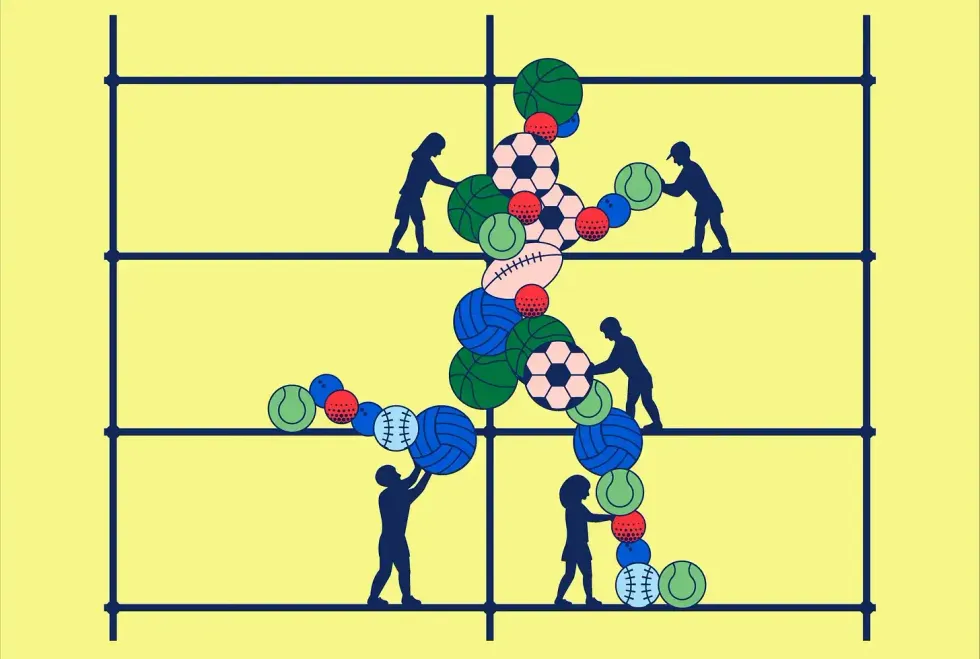 Following our HWF Civic Futures kickoff last week with Eric Liu, our design partners at Public/Official have created a unique visual to capture the “civic scaffolding” spirit of this conversation.
 Lisa, Coaches Rev and Matt Elkin, and former Stanford Men’s Basketball star Maxime Raynaud at Stanford’s “All Vote No Play” Democracy Day, 2025