



Few things are more civically encouraging than student activism. When focused on advancing democracy, it deserves to be celebrated and repeated.
That's just what is happening for university and law students wanting to propose, debate, and vote on constitutional amendments. The second Model Constitutional Convention (MCC) will build on the successful inaugural program at Arizona State University's law school in 2024, when more than 100 students from more than 70 schools convened to consider constitutional change.
The fact that there will be a successor MCC in 2026 is a bright light for the country at what can feel like a dark time. Foundational challenges in American democracy, including those that are constitutional, merit attention—particularly by tomorrow’s leaders. And interested students can still apply to participate next year (more on that below).
The MCC is the brainchild of Stefanie Lindquist, dean of Washington University Law School in St. Louis, the host for next year’s gathering. She convened the first one as leader of the Center for Constitutional Design at ASU’s Sandra Day O’Connor College of Law. “To sustain our constitutional order, we need citizen engagement with our founding document,” she said. “We hope that the MCC will help train the next generation to lead the nation in serious conversations about constitutional law and potential reforms.”
The inaugural MCC proved an extraordinary success (as a participating mentor, I can attest to its quality). The students not only gained the experience Lindquist hoped, but also proved that a challenging democratic process can work. She added, “The students’ enthusiasm was overwhelming and positive, so we think the MCC has great potential for impact.”
The students worked in committees and plenary sessions to develop 20 proposed amendments, debate their merits, and then vote on each idea. To be adopted, each amendment needed to earn at least 75 votes from among the 100 delegates, mirroring the demanding threshold of the U.S.’s existing ratification requirement: adoption by 75% of the states (38).
The students dealt with this ratification rigor wonderfully. After several early amendment proposals got close to but did not reach the threshold, understandable attempts were made to lower it. But the delegates rejected such change, recognizing their need to generate proposals that could survive ratification. Ultimately, four proposals were approved.
Neta Borshansky is directing this year’s MCC and worked on the inaugural convention. She was struck then by “each delegate’s professionalism and desire to immerse themselves in our simulation. We witnessed many students finding their voice, learning to respect differing viewpoints, and thinking about the contributions they want to make within our democratic system of government.”
For interested students, the application can be found here, and the deadline is January 15, 2026. (There’s still time to apply—just use the link or pass it along!) Students selected will have required reading, background lectures, and virtual committee work prior to the in-person convention over the Memorial Day weekend. Lodging, food, and a travel stipend will be provided.
Next year’s participants will again work in ten “Committees of Eleven,” comprised of ten Delegates and one Alternate. (History buffs may note that the 1787 convention had several critical Committees of Eleven to forge compromises that beguiled the entire convention.) They will also hear from top leaders in the field; the inaugural MCC included keynotes from Richard Albert, Erwin Chemerinsky, Jill Lepore, and Jeffrey Rosen.
Another noteworthy example from 2024 occurred when a delegate proved obstreperous, another flagged it, and still another called for wider courtesy. Tempers and frustrations were calmed. This instance stood out for two reasons: it was the only one involving real or perceived disrespect during the plenaries, and it was resolved by the delegates themselves, not the convention chair, parliamentarian or organizer. Kudos all around.
Constitutional amendments do seem impossible today, but history shows that even the onerous Article V amendment process produces a wave of amendments after political upheaval. It has earned historian Jill Lepore’s label of a “sleeping giant.” But it will wake up, almost assuredly in the lifetimes of the students participating in the MCC. The future of our democracy will be in their generation’s hands, which I suspect, after making the alarm clock ring louder and the coffee smell stronger, will be making the Constitution work better.
Rick LaRue writes about constitutional electoral structure and amendments at Structure Matters. He reported on the inaugural MCC for The Fulcrum in June 2024.








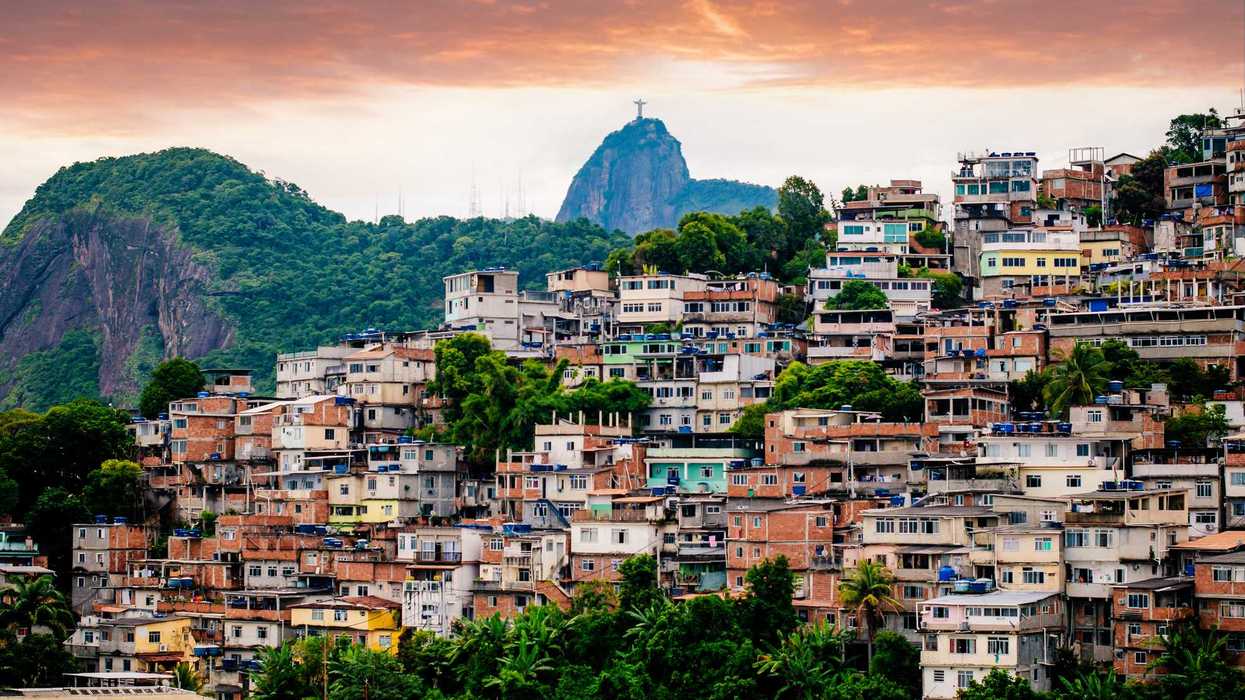
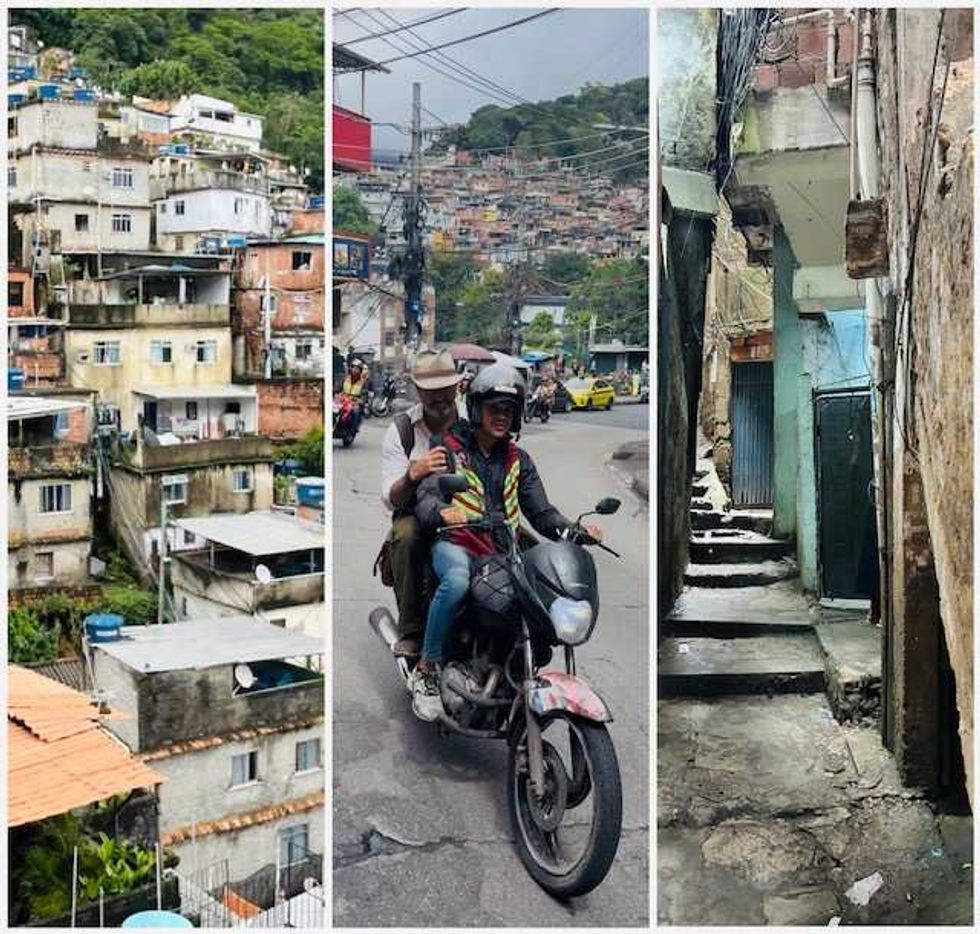 Scenes from Favela Rocinha, Brazil - (R-L) Rows of brick homes, Hugo Balta on a motorcycle taxi, and steep, winding roadsHugo Balta

 Following our HWF Civic Futures kickoff last week with Eric Liu, our design partners at Public/Official have created a unique visual to capture the “civic scaffolding” spirit of this conversation.
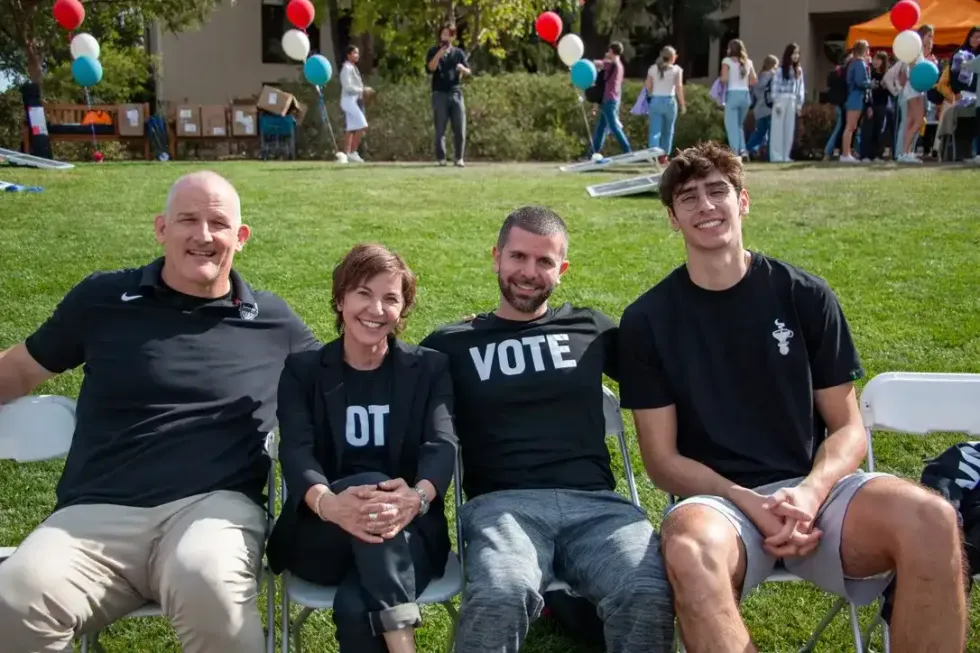 Lisa, Coaches Rev and Matt Elkin, and former Stanford Men’s Basketball star Maxime Raynaud at Stanford’s “All Vote No Play” Democracy Day, 2025