




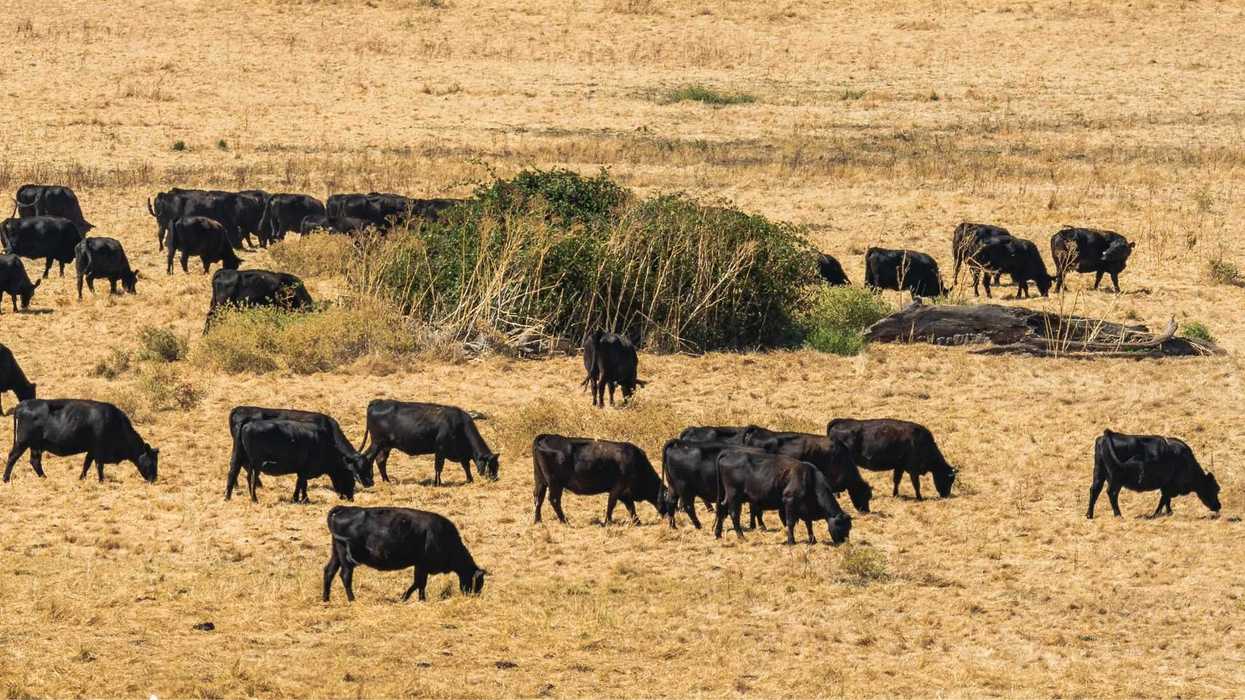
"We happen to be the second-oldest state cattle organization in the United States, representing the interests of the of the ranching industry for over 150 years. Things have changed over time, but we're still, I believe, relatively influential in the state."
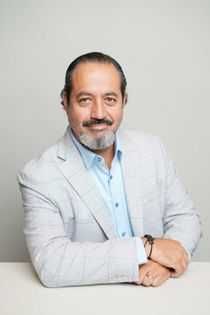
Jim Magagna has long been one of the most influential voices in Wyoming’s ranching community, a steady presence in state and national debates over public lands, water rights, and the future of rural America. As the Executive Vice President of the Wyoming Stock Growers Association (WSGA), a role he has held since 1998, Magagna has become a central figure in the civic life of a state where agriculture and public lands shape both identity and policy.
The Fulcrum spoke with Magagna on a recent episode of The Fulcrum Democracy Forum.
- YouTube youtu.be
A native of Rock Springs and a lifelong sheep rancher in southwestern Wyoming, Magagna brings firsthand experience to the policy arena. Before joining WSGA, he served as president of the American Sheep Industry Association, president of the National Public Lands Council, and director of the Wyoming Office of State Lands and Investments. These roles placed him at the heart of national conversations about grazing rights, federal land management, and the economic sustainability of rural communities.
Over the decades, Magagna has built a reputation as a pragmatic negotiator—someone who can translate ranchers' concerns into policy language that resonates in Cheyenne and Washington. He is widely regarded as the face of Wyoming’s livestock industry, a role that requires both political fluency and deep credibility among producers. At WSGA, he fields questions on state and national agricultural issues, helps shape the association’s policy directives, and represents Wyoming ranchers in legislative and regulatory arenas.
"I do a lot of policy work. I do lobby the Wyoming legislature when they're in session, and track and testify at meetings when they're out of session as well. That's important to us, and occasionally at the federal level as well. I've testified before Congress several times and work very closely with our delegation back there."
His civic engagement extends well beyond agriculture. Magagna has served on the Wyoming Community Foundation, the Wyoming 211 Board—where he is a past president—and the advisory board of the University of Wyoming’s Haub School of Environment and Natural Resources. His leadership reflects a broader commitment to community development and the stewardship of Wyoming’s natural resources.
- YouTube youtu.be
Magagna’s role in Wyoming’s civic landscape was highlighted nationally when he was featured in The Fulcrum’s series The 50: Voices of a Nation, which explores how Americans across the country engage with democracy at the local level. In the Wyoming episode, he offered perspective on how ranching communities participate in civic life, how public lands shape political engagement, and why rural voices remain essential to the state’s democratic culture. His inclusion in the series underscored his status as a bridge between traditional agricultural communities and the broader national conversation about civic participation.
"I learned 30 years ago from the ranching community was the most successful way to be a rancher is to have an oil well in the middle of your ranch. Today, that oil well may be an oil well. It may be a wind farm. It may be an outfitting business or an ecotourism business where you cater to recreation and tourism."
In 2025, his decades of service were recognized with the creation of the Jim Magagna Ranch Management and Ag Leadership Endowment Fund, announced during WSGA’s annual Summer Cattle Industry Convention. The endowment honors his “hard work, decades of service and selfless contributions” to Wyoming’s agricultural community. Magagna continues to engage in national policy discussions as well; in a 2025 commentary for the Property and Environment Research Center (PERC), he advocated reforms to improve forest health and reduce wildfire risk, underscoring his ongoing involvement in issues affecting both ranchers and the broader public.
In a state where public lands dominate the landscape and agriculture remains a cultural cornerstone, Magagna’s work highlights the democratic importance of ensuring rural voices are represented in policymaking, balancing environmental stewardship with economic livelihoods, and building coalitions across sectors and political lines. His story is a reminder that civic engagement doesn’t just happen in legislatures or courtrooms—it happens on the land, in community organizations, and through the persistent work of individuals committed to both tradition and change.
Hugo Balta is the executive editor of The Fulcrum and the publisher of the Latino News Network.












The President Invited Iran to Bomb My Home