Human beings spend centuries debating the afterlife, but we almost never ask the more important question: What does believing in an afterlife do to the way we treat each other in this one?
Entire cultures, political systems, and conflicts have been shaped by competing visions of what comes next. But in all this noise, we often miss the simplest truth: death is not the enemy of meaning, it is the source of it.
If life were infinite, if paradise awaited us with endless rewards, then this world would be little more than a waiting room. The logic is unavoidable. If I'm guaranteed a new car next week, why would I care about the one I'm driving today? And if I believe I'll live forever in a perfect realm, why would I treat this life — and the lives of others — as precious?
When we recognize that we are temporary beings sharing a temporary world, the divisions we cling to — race, culture, ideology, religion — begin to lose their power. We see each other not as categories, but as fellow travelers passing through the same brief window of existence. Mortality has a way of leveling us. It reminds us that every person we meet is living a life as fragile and finite as our own.
This is not an argument against religion. Many people draw comfort, community, and moral guidance from their faith. But it is an argument against the idea that meaning must come from somewhere else — from a promised eternity, from a cosmic reward, from a life beyond this one. When the focus shifts to the next world, the stakes of this world diminish. The present becomes negotiable. The suffering of others becomes easier to rationalize.
You don't need to believe in heaven to treat people with dignity. You only need to understand that every life, including your own, is finite. That recognition alone can inspire a deeper sense of empathy than any doctrine. When you know that someone's time is limited, you are less inclined to harm them and more inclined to understand them.
Other species don't wrestle with these questions. They live according to their biological needs, no more and no less. Humans, with our oversized imaginations and fear of the unknown, often detach from reality in search of stories that soften the truth of our mortality. But the truth doesn't need softening. It needs embracing.
Because once we accept that our lives are finite, something remarkable happens:
We start living them.
We become more present.
More compassionate.
More aware of the value of each moment.
More connected to the people around us.
Death is not the opposite of life. It is the boundary that gives life shape. Without it, our days would blur into an endless horizon. With it, every day becomes a gift.
We don't need to fear death to live well.
We need to understand it.
And in that understanding, we may finally learn how to treat each other and ourselves with the care that a finite life deserves.
Thank you for allowing me to share my thoughts and feelings.Bruce Lowe is a homeowner advocate and community leader in Lubbock, Texas. He writes about civic integrity, public health, and principled reform. His book, "Honesty and Integrity: The Pillars of a Meaningful Life", explores how ethical leadership can strengthen families, uplift communities, and create a better life for all.










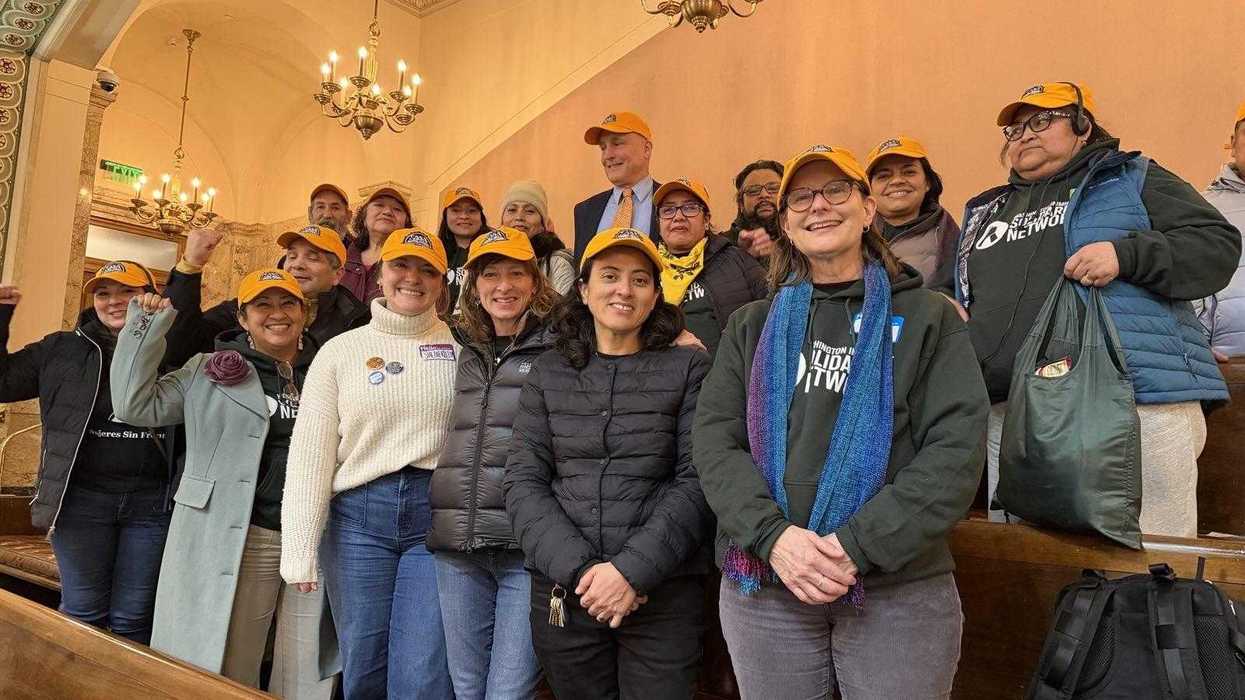
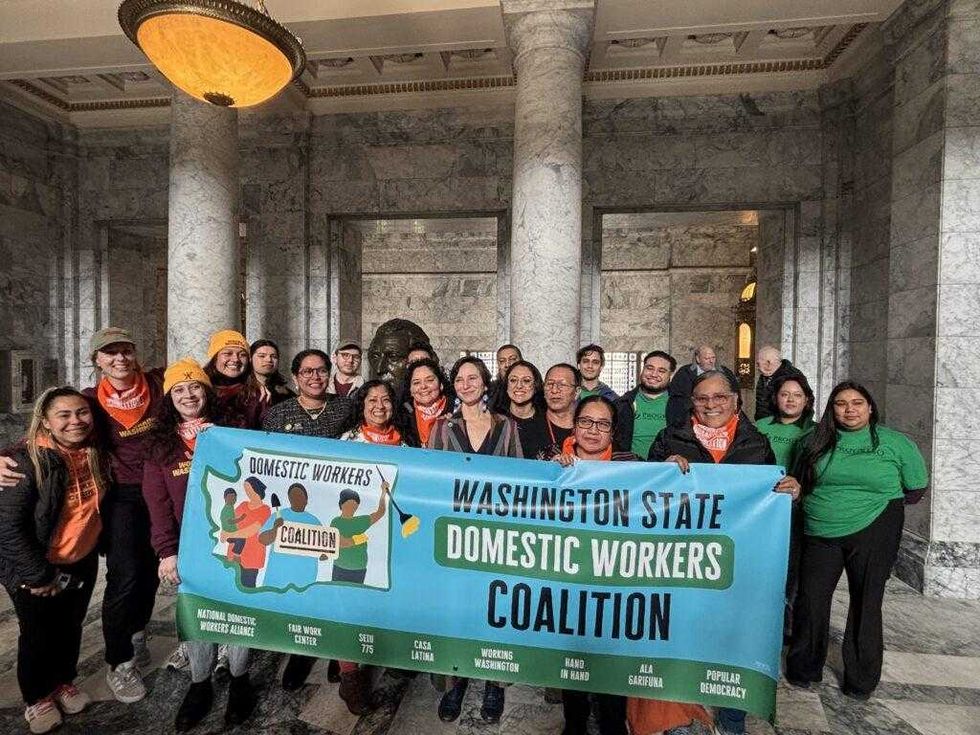 State Sen. Rebecca Saldaña, center, stands with members of the Washington State Domestic Workers Coalition at the state Capitol on Feb. 28, 2026. The Domestic Workers Bill of Rights passed in the House that day, before being signed into law in March. (Photo courtesy of Casa Latina)