


Amid the political and military standoff among the United States, Israel, and Iran, it is civilians — the people with no say in these decisions — who bear the fear, disruption, and uncertainty of every strike and escalation. This week, The Fulcrum’s executive editor, Hugo Balta, reports from Israel with a single aim: to humanize the war by focusing not on the spectacle of Operation Epic Fury, but on the ordinary lives being reshaped by it.
METULA — In the historic border town of Metula, the stillness of a fragile ceasefire is often punctured by the sounds of war drifting across the Lebanese border. After U.S. and Israeli strikes on Iran in February, Hezbollah launched rockets and drones into Israel in early March in what it described as retaliation. Israel answered with a wave of airstrikes across Lebanon, and within days, Israeli forces had re‑entered southern Lebanon.
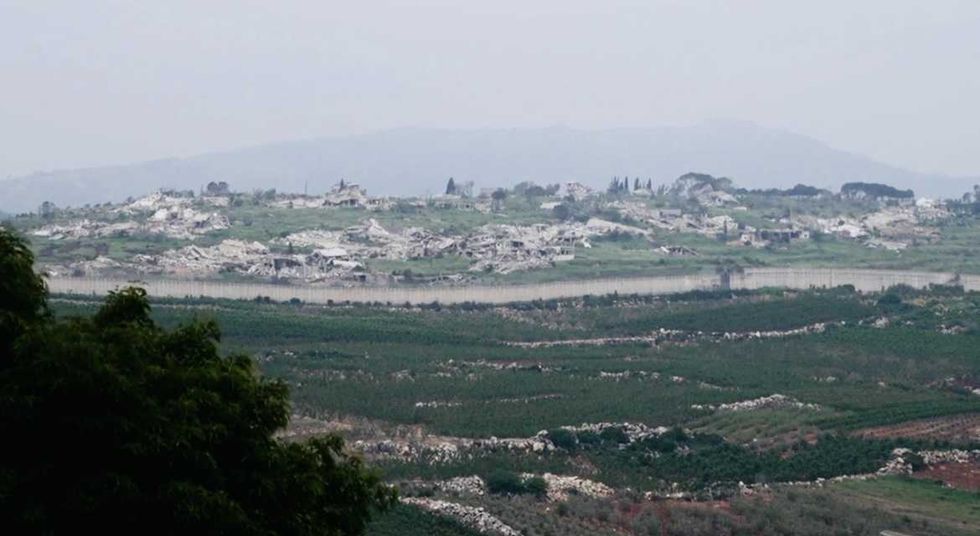
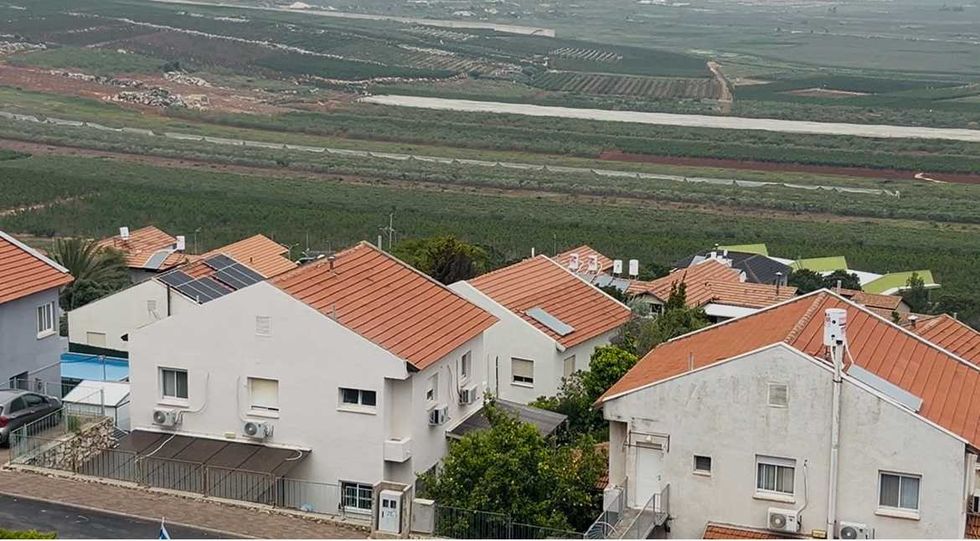
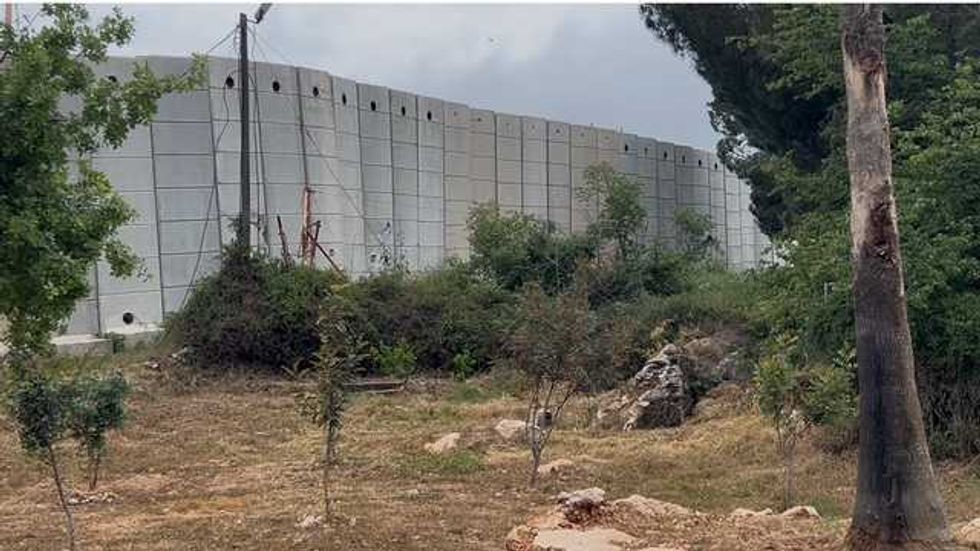
Founded more than 130 years ago, Israel’s northernmost community is famously surrounded on three sides by Lebanon. The town looks directly onto the remains of Lebanese Shiite villages that Hezbollah has used as launch sites throughout its campaign. Since October 8, 2023, enduring repeated barrages of anti‑tank missiles and explosive drones, leaving homes in ruins and most families displaced. Hezbollah began its attacks that day, calling it a “war of support” for Hamas following the October 7 assault in southern Israel.
Hugo Balta
Views of Metula, Israel, a border community encircled on three sides by Lebanon
Hugo Balta
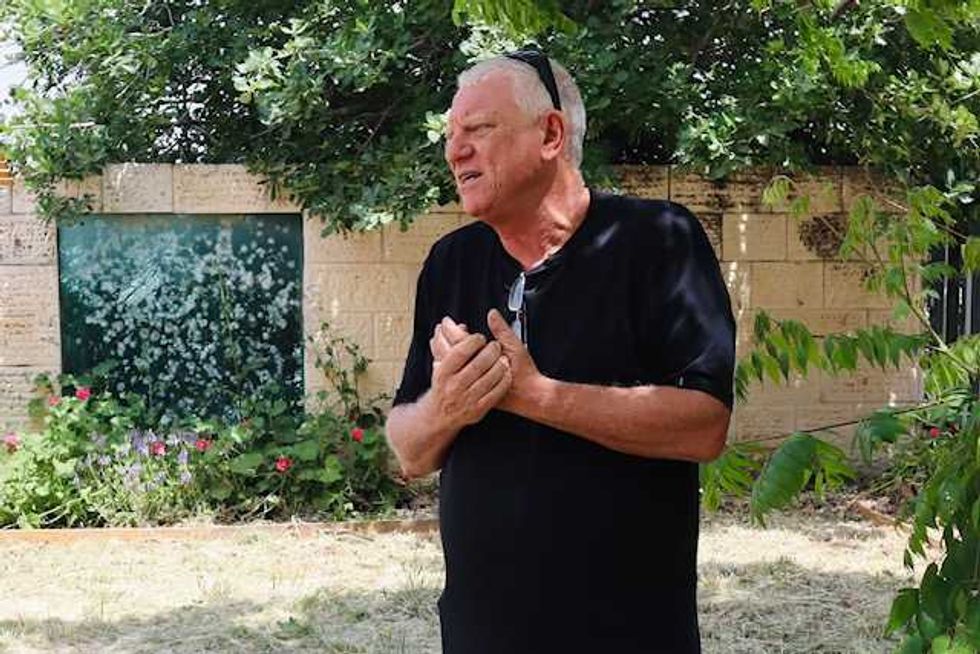
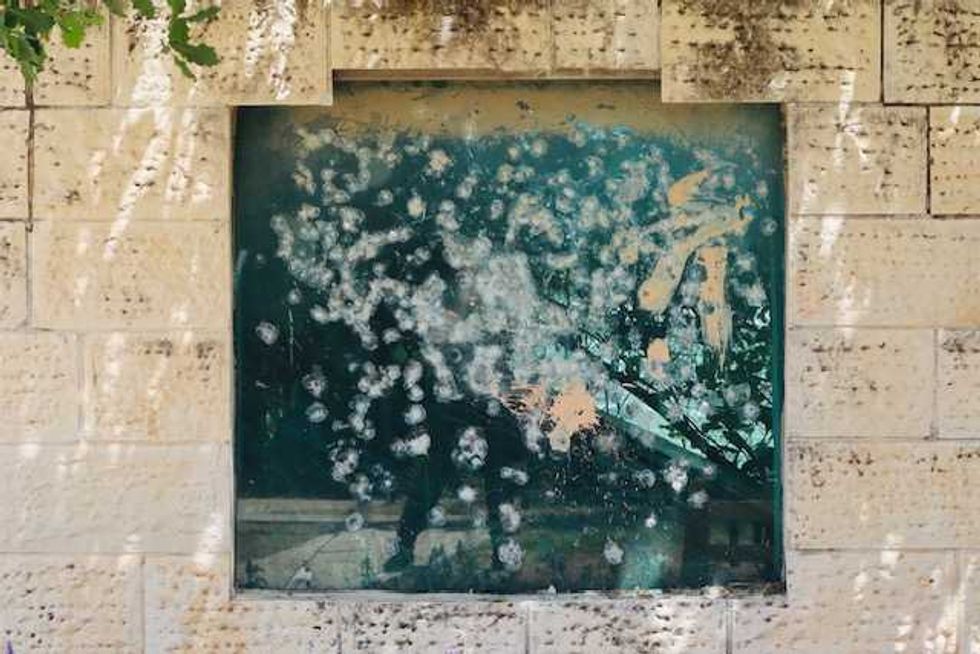
Rami Rabinovich, an Argentine immigrant, stands beside a pane of bulletproof glass marked by strikes from both Lebanese and Israeli fire — a stark reminder of the tension that defines life in this border town
Hugo Balta
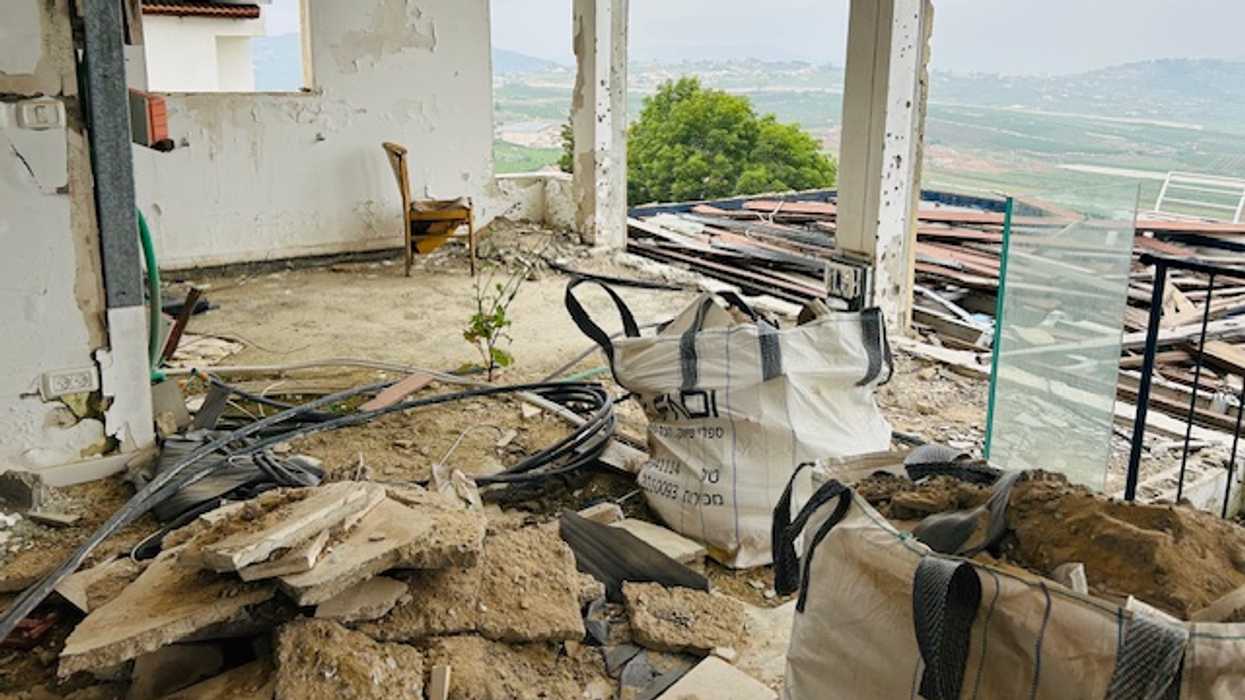
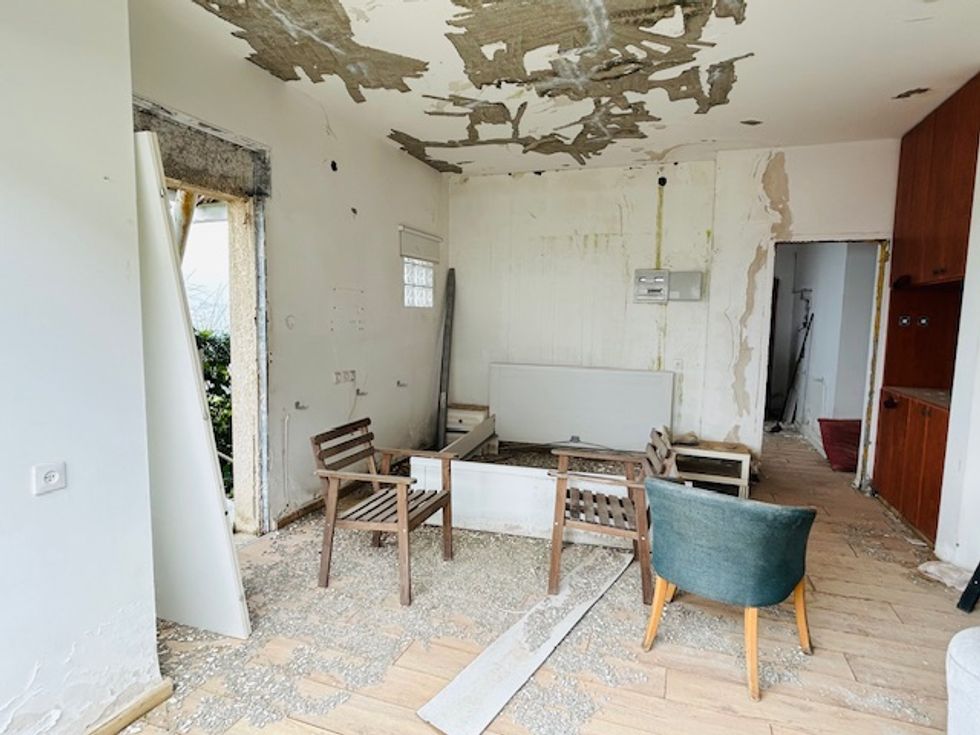
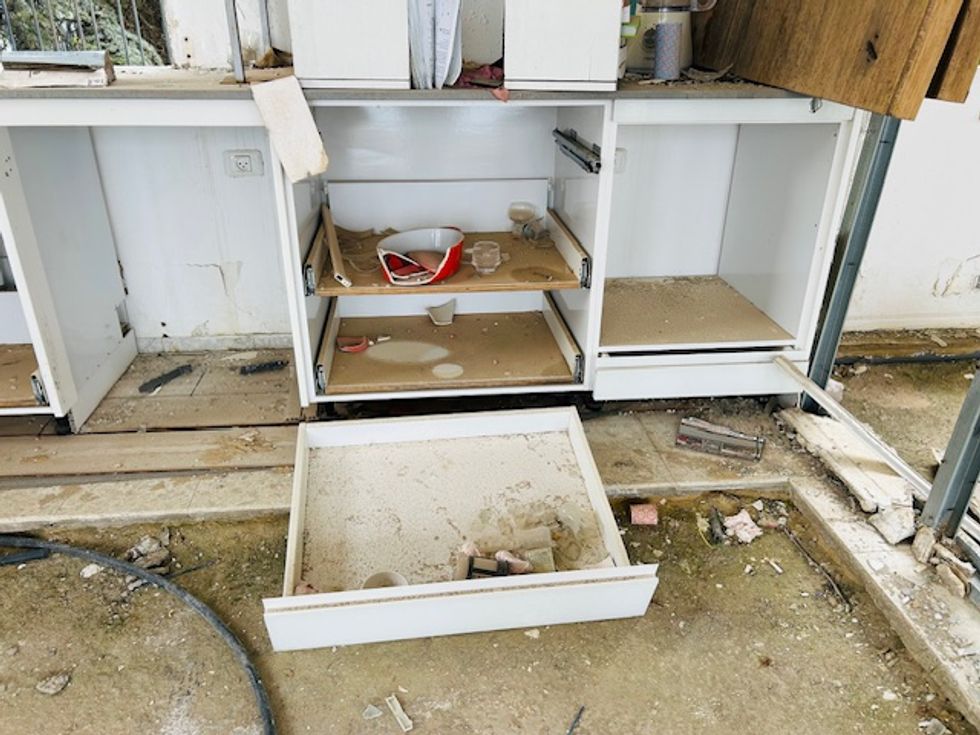
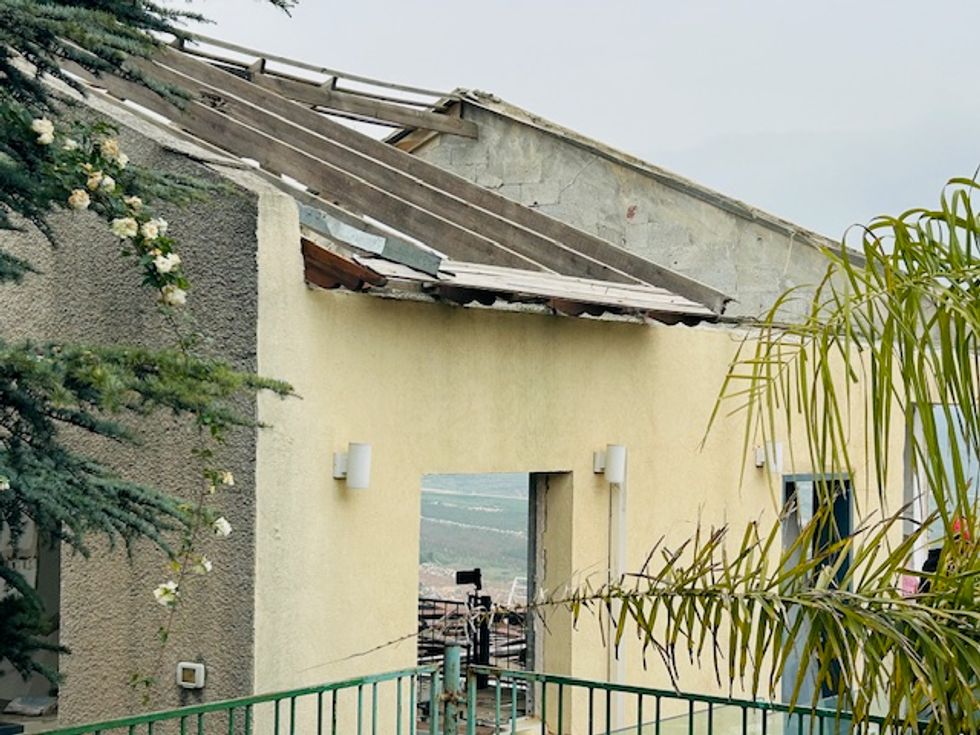
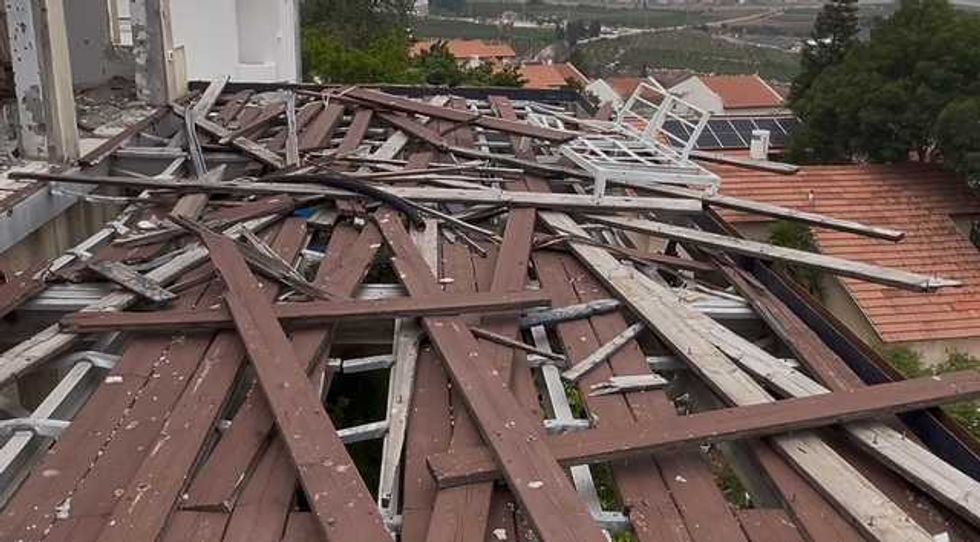
Rubble from a home in Metula, Israel, after multiple missile strikes
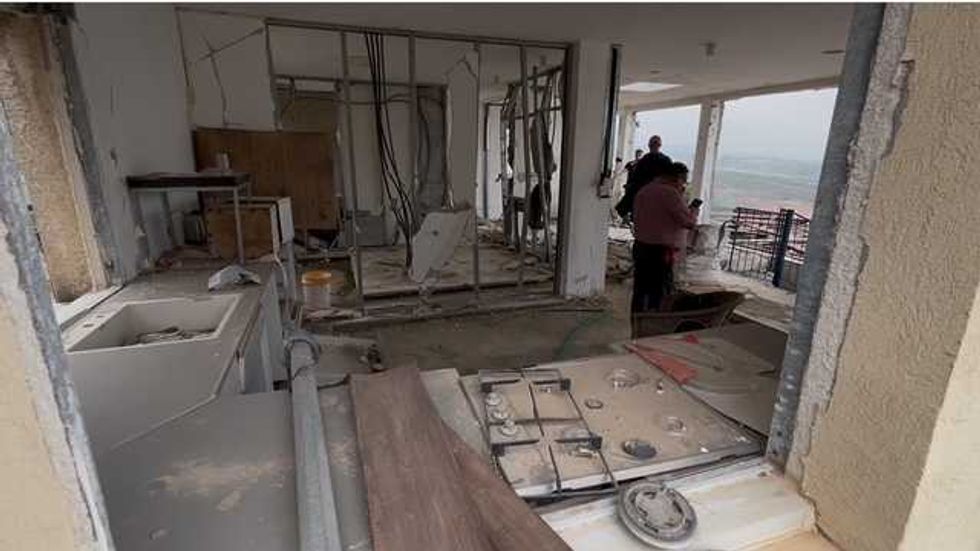
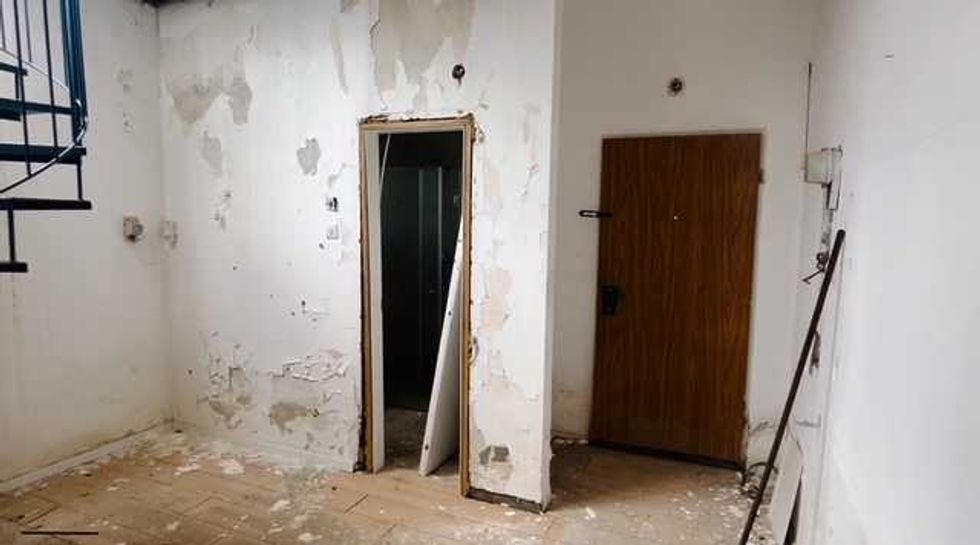
During my visit, the quiet of the hilltop town was repeatedly interrupted by low, distant booms from across the border. Rabinovich barely reacted. He said the explosions were almost certainly Israeli forces targeting Hezbollah drones — a sound many in the town have learned to fold into the rhythm of daily life. For him, it is not a warning but part of the constant background noise of a place living with war just beyond the fence.
The danger along the border is so immediate that residents often have no time to react — a reality Rabinovich underscored when he said, “The time elapsed between the moment a missile is launched from Lebanon and the moment it lands in Metula is zero. Often, the sirens sound after the missile has already landed in the Metula area.”
Rabinovich showed me a house that he said had taken four missile strikes in under an hour. It stands as a stark testament to what Metula has endured. The roof is completely gone, leaving the rooms open to the sun, wind, and drifting dust. Shards of glass cling to the window frames like broken teeth, and the walls—cracked, scorched, and pitted with shrapnel—trace the outline of what used to be a living room, a kitchen, a bedroom. Inside, only remnants remain: a collapsed doorway, charred furniture, and floors that lead nowhere. The house feels less like a damaged structure and more like a symbol of how the conflict has hollowed out daily life, leaving behind the shell of what once was a home.
Despite the devastation, people are slowly returning to Metula, determined to rebuild what was lost. Families who fled during the height of the attacks are now laying the groundwork for new beginnings, driven by resilience, a deep connection to the land, and a desire to restore a sense of normalcy.
"Many people come back because it is home, said Rabinovich. "Why did I return? Because it is home. This place, with a peace agreement with Lebanon, is a paradise."
People on both sides of the Israel–Lebanon border are living with the consequences of a conflict that has upended daily life, leaving families displaced, homes destroyed, and entire communities gripped by uncertainty. In southern Lebanon, civilians face their own waves of displacement, damaged infrastructure, and the fear that violence could escalate without warning.
The suffering is shared, even if the circumstances differ: parents trying to keep children safe, farmers unable to tend their land, and residents on both sides navigating the emotional and economic toll of a conflict they did not choose. It’s a reminder that beyond the political and military calculations, ordinary people are bearing the heaviest burden — and their stories deserve recognition.
For the people of Metula, the prevailing mood is one of cautious skepticism. While international mediators from the United States and the United Nations continue to push for a durable diplomatic solution, security remains a distant hope as the ceasefire teeters on the brink.
Hugo Balta is the executive editor of The Fulcrum and the publisher of the Latino News Network.
Coverage of this report was made possible in part with support from Fuente Latina.






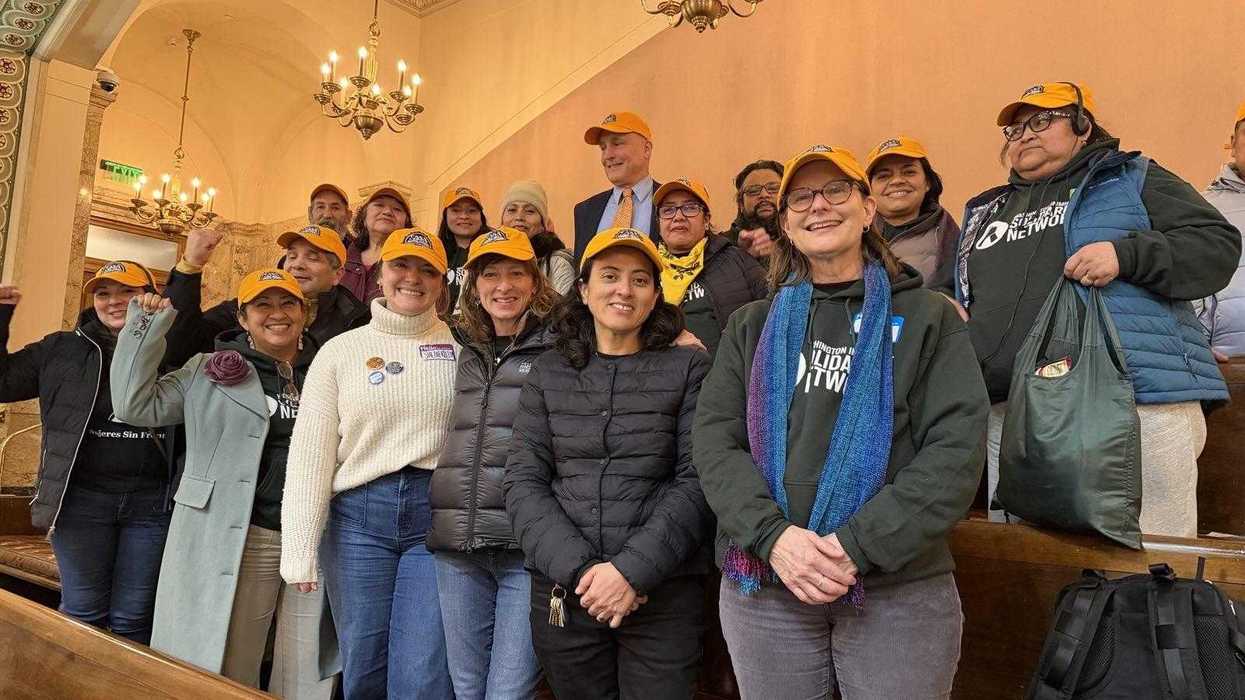
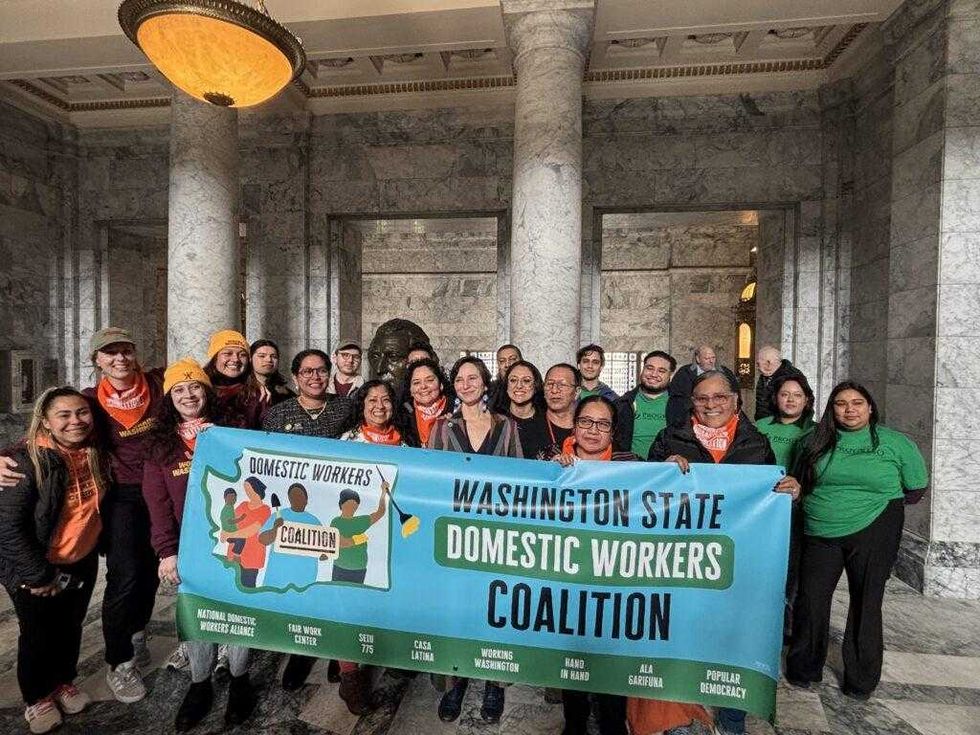 State Sen. Rebecca Saldaña, center, stands with members of the Washington State Domestic Workers Coalition at the state Capitol on Feb. 28, 2026. The Domestic Workers Bill of Rights passed in the House that day, before being signed into law in March. (Photo courtesy of Casa Latina)