
Americans feel something shifting beneath their feet — quieter than crisis but unmistakably a strain. Many live with a steady sense of uncertainty, conflict, and the emotional weight of issues that seem impossible to escape. They feel unheard, unsafe, or unsure whether the Republic they trust is fading. Friends, relatives, and former colleagues say they’ve tried to look away just to cope, hoping the turmoil will pass. And they ask the same thing: if the framers made the people the primary control on government, how will they help set the Republic back on a steadier path?
Understanding the strain Americans are experiencing is essential, but so is recognizing the choice we still have. Madison’s warning offers the answer the framers left us: when trust erodes and power concentrates, the Constitution turns back to the people—not as a slogan, but as a structural reality.
Americans are not imagining the strain. They are living it—in schools, hospitals, local agencies, and in the daily friction of navigating systems that once worked more reliably.
Across the nation, Americans feel the strain of weakened governance firsthand. Confidence in institutions has eroded—not through collapse, but through drift, a slow weakening of the guardrails that once kept the system in balance. People see the consequences daily: difficulty accessing services, rising costs, and strained agencies. What they sense is the erosion of norms that once anchored the Republic. Republics rarely fall in a single instant; they drift through a gradual loss of trust, a concentration of power, and growing silence from institutions meant to provide accountability.
This is a relevant and urgent topic because people see that the Republic is repairable—if leaders choose to act. What makes this moment painful is the belief that those with the greatest power to reduce strain are the least willing to step forward. Many leaders lived with hardship before entering public service, yet once in office, they appear insulated from struggles they once understood. They no longer face pressures of healthcare costs or financial insecurity—and that distance can erode empathy. People tell me that when leaders forget those realities, they also forget the oath they swore—to govern ethically, fairly, and in the spirit intended.
Much of the strain comes from the perception that the balance of power is shifting. Many believe the checks and balances meant to prevent any one branch from accumulating too much authority are no longer functioning as intended. Congress appears constrained by division and by political incentives that make compromise—once essential to governing—a liability. Experienced lawmakers are choosing not to seek reelection, raising concerns that the current climate discourages independent leadership and rewards conformity.
The nation has reached a divide in the road—a moment when Americans must decide whether to accept a slow weakening of the Republic or insist on the principles that have held it together for more than two centuries. One path leads deeper into drift: erosion of norms, weakened guardrails, and a future shaped by silence rather than accountability. The other demands something harder—a return to constitutional balance, renewed civic engagement, and leadership willing to place the Republic above personal or partisan interest.
This choice is not abstract. It is felt in the exhaustion families carry, the uncertainty communities voice, and the belief that the country is slipping away. The framers expected moments like this. They understood that when institutions strain, the people must decide whether to look away or step forward.
That responsibility begins with leadership. Leaders must do more than advance agendas; they must demonstrate humility, empathy, and a willingness to govern for the whole country. Strength in a Republic is not measured by dominance but by restraint—by the ability to collaborate even amid disagreement.
Yet today, political incentives often punish independence. Breaking with party lines can carry consequences, turning governance from negotiation into alignment. When lawmakers fear the cost of dissent more than silence, the system loses the friction that keeps it balanced.
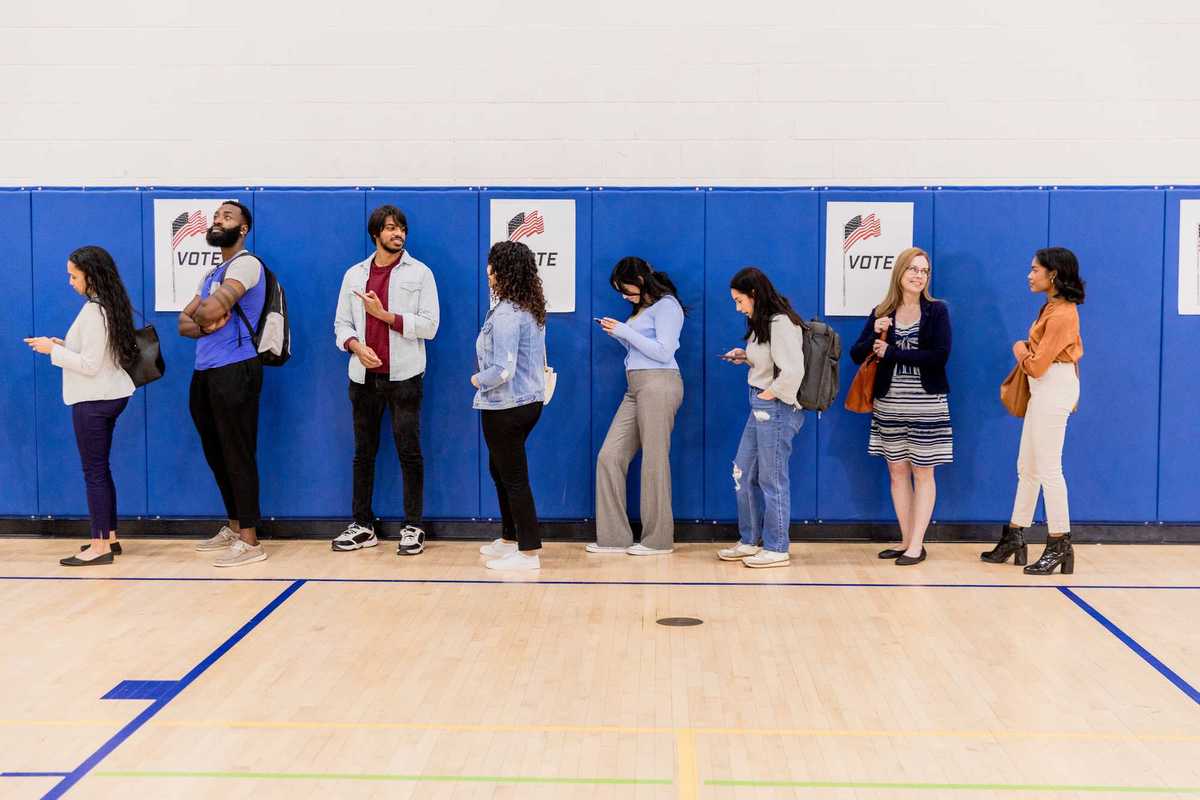
But responsibility does not rest with leaders alone. Madison reminds us that the primary control on government is the people themselves. Citizens must re‑engage—not through outrage but through purpose. Balancing news intake helps Americans stay informed without becoming overwhelmed. Voting consistently, staying informed, and demanding accountability are not symbolic acts; they are the foundation of self‑government.
Citizens can also make fuller use of the institutions that remain—seeking assistance from public agencies, asking their senators and representatives for help navigating services, and insisting those institutions function as designed. Engagement is not passive; it is an expectation that systems built to serve the public remain accessible, responsive, and accountable.
Every time I speak with someone carrying that weight, I hear the same quiet truth: people feel pushed out of their own democracy. That feeling is not personal failure—it is structural neglect. People know the guardrails and institutions are still there; what they see is leaders refusing to enforce them, even when the public is asking them to.
That is why the ethic I taught for years still matters. RISE—Respect, Inclusion, Safety, and Empowerment—is more than a professional framework. It is a democratic one. Democracies thrive when people feel respected, included, safe, and empowered. They falter when those conditions disappear.
These four principles remind us that the way back from drift begins with how we treat one another and how we show up for the Republic. They form the foundation for the choices we must make now.
The choice ahead begins with reclaiming the habits of a participatory democracy. That does not require grand gestures, only consistent ones. It means refusing to surrender our voice, even when feeling unheard tempts us to step back. It means showing up in the local spaces where democratic power still lives—school boards, city councils, community forums, and conversations that shape public will. A Republic under strain strengthens when citizens stay present and engaged.
But citizens cannot carry this work alone. Institutions must meet the moment with the same clarity and courage we ask of the public. That begins with leaders who tell the truth, honor their oaths, and resist the temptation to consolidate power at the expense of the people they serve. When institutions model respect, inclusion, safety, and empowerment, they reinforce the conditions that allow democracy to function.
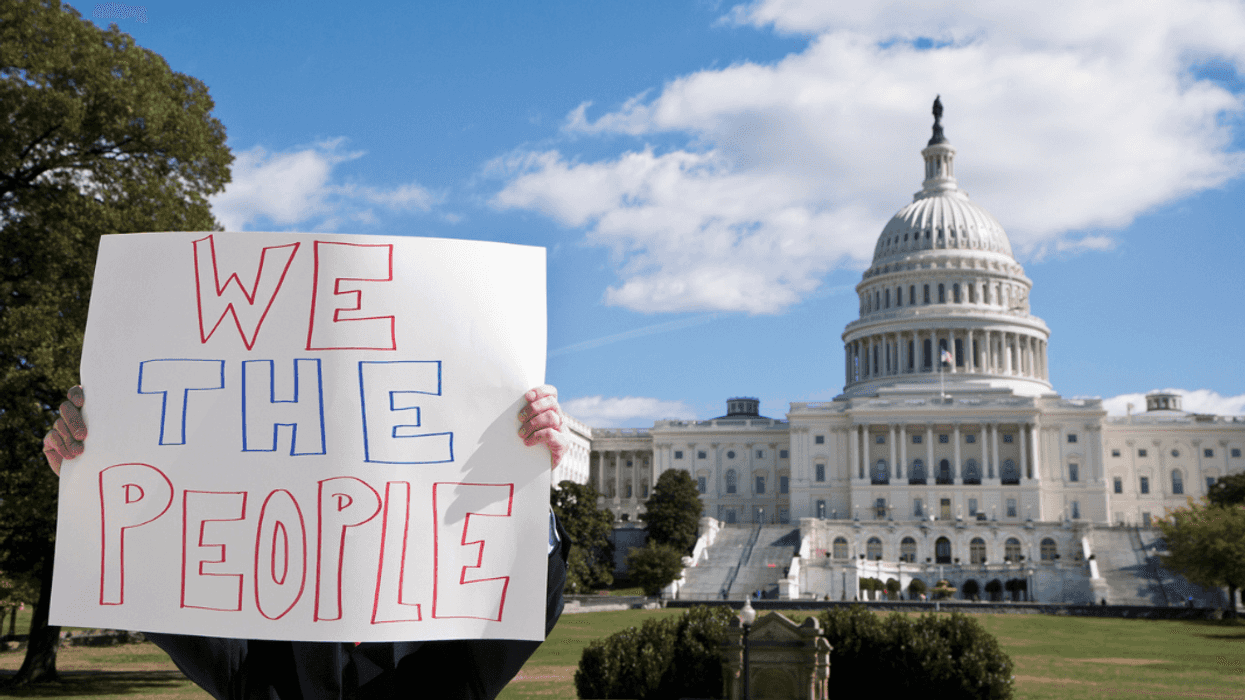
The choice ahead is not between parties or personalities. It is between drift and renewal, silence and accountability. Today’s strain is not simply political; it is constitutional. It tests whether leaders will honor obligations and whether citizens will exercise the responsibility Madison entrusted to them. A Republic survives only when its people insist it survives.
Benjamin Franklin was asked what had been created at the Constitutional Convention. His answer endures: “A Republic, if you can keep it.” The United States is not collapsing, but it is under strain—not because of a single moment, but by a steady erosion of trust and responsibility. A Republic survives only when its people insist it must survive.
A Republic under strain does not have to be a Republic in decline. We can allow drift to continue, or we can insist on a different path—one grounded in participation, truth, and the belief that every voice still matters. The strain is real, but so is our capacity to rise. If we show up for one another and demand integrity from our institutions, the Republic will not falter. It will endure because its people did.
Carolyn Goode is a retired educational leader and national advocate for ethical leadership and civic renewal. She writes on governance, institutional trust, and democratic responsibility.