


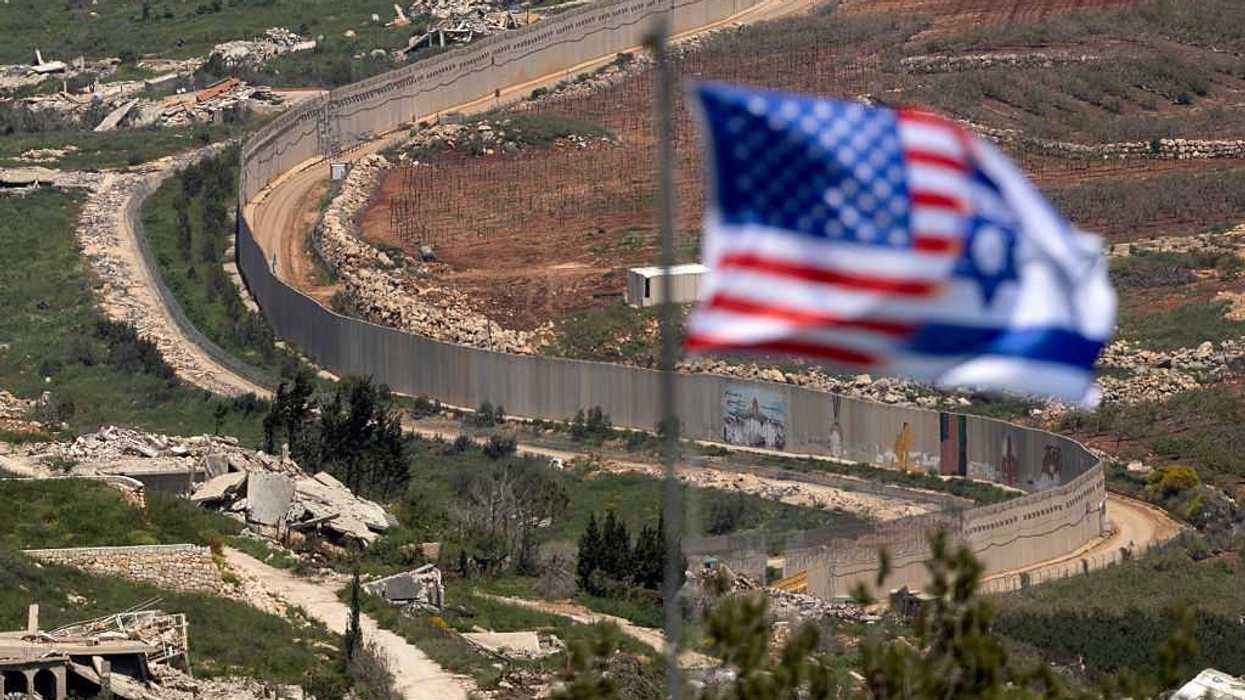
TEL AVIV — The conflict between Iran, the U.S., and Israel remains volatile as Iran submits a new 14‑point peace proposal through Pakistan while warning that fighting may soon resume, with Iranian military officials saying the U.S. is not committed to agreements. President Donald Trump has expressed skepticism about Iran’s offer, stating he will review it but doubts it will be acceptable, and polls show most Americans believe the decision to launch military action was a mistake. Meanwhile, Israeli strikes continue across southern Lebanon despite a ceasefire, regional tensions remain high, and disruptions in the Strait of Hormuz continue to affect global energy markets.
Lost in the political and military confrontation among the United States, Israel, and Iran are the everyday people who live with the consequences of decisions they did not make. Civilians — on every side of this conflict — are the ones who carry the fear, disruption, and uncertainty that follow each strike and every escalation.
This week, The Fulcrum’s executive editor, Hugo Balta, reports from Israel with a clear purpose: to humanize war. Rather than focus on the spectacle of Operation Epic Fury, the special coverage will center on the people whose lives are being reshaped by it.
- YouTube www.youtube.com
While Balta does not have access to Iran — and it is acknowledged that civilians there are suffering as well — the reporting will document the toll this conflict is taking on Israelis across the country as they navigate a war that shows no sign of easing.
In the days ahead, The Fulcrum will publish a series of on‑the‑ground dispatches from Tel Aviv, Jerusalem, and communities near the Lebanon border as Israel enters a new phase of tension with Iran. The coverage will follow residents living under the threat of missile strikes and explore how daily routines, civic life, and community networks are being transformed by the constant fear of another attack.
The weeklong series will also examine the continued conflict in Gaza, which has been overshadowed by the confrontation with Iran. Balta will also highlight the experiences of immigrant communities — including Latin American workers and families — whose stories are often absent from broader geopolitical reporting, revealing the layered realities of a diverse country experiencing conflict in uneven and deeply personal ways.
The goal is to give readers a fuller picture of life behind the headlines — a close, human‑centered look at a region on edge and the people trying to endure, adapt, and support one another through a war they did not choose.
Coverage of this report was made possible in part with support from Fuente Latina.







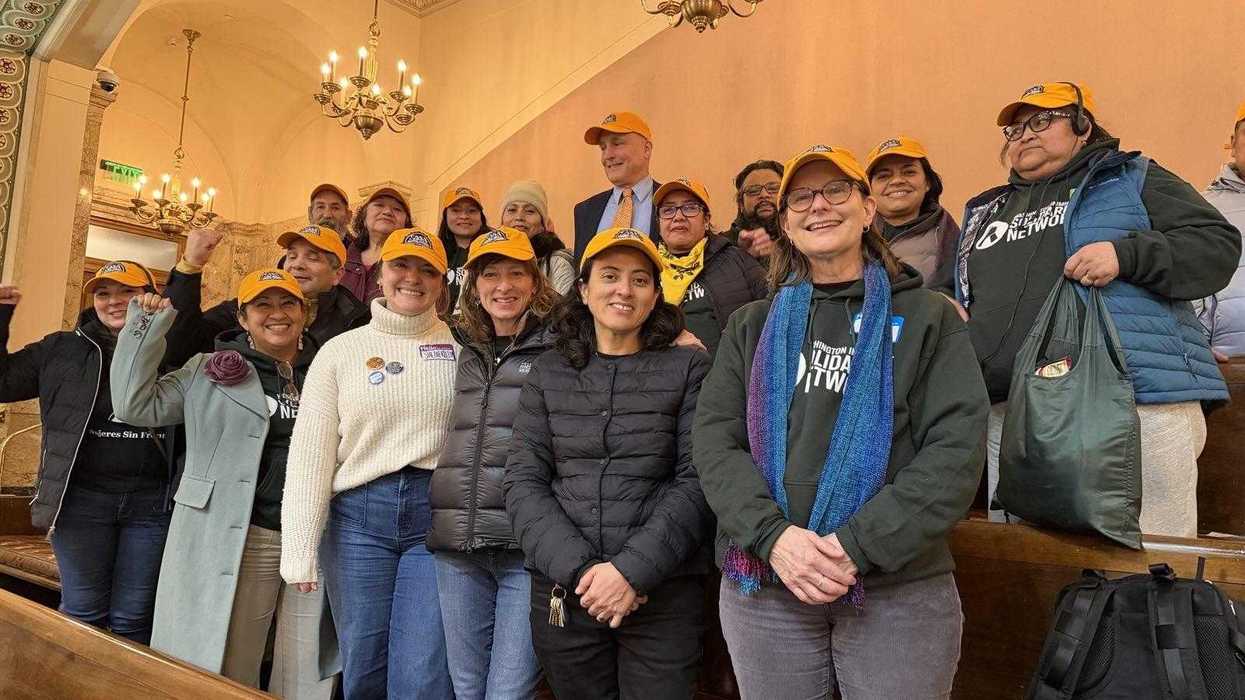
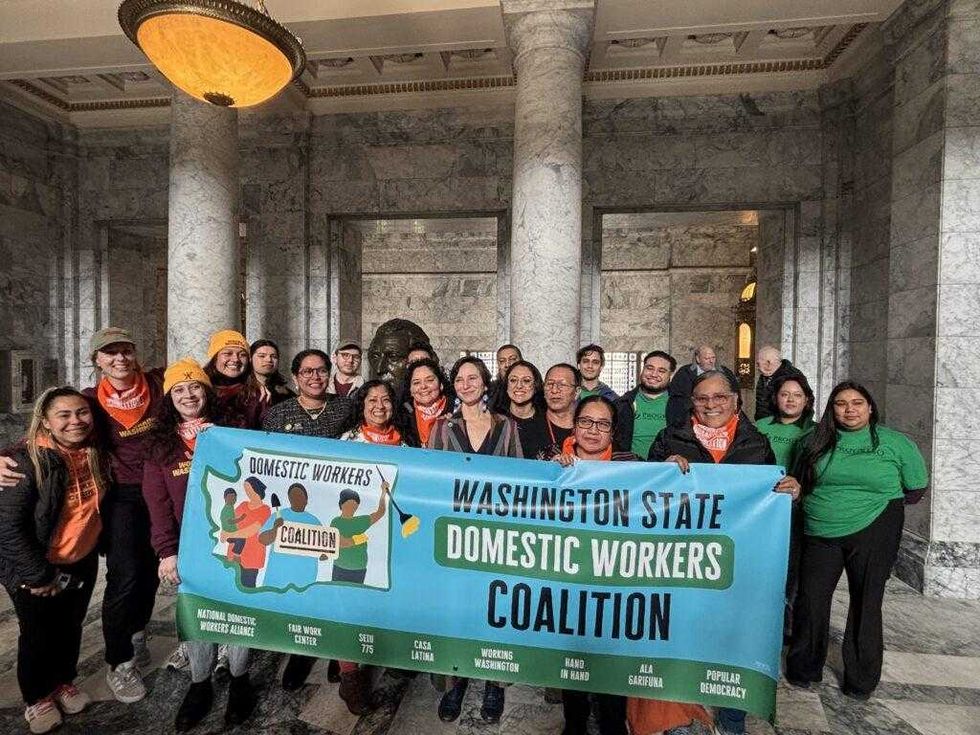 State Sen. Rebecca Saldaña, center, stands with members of the Washington State Domestic Workers Coalition at the state Capitol on Feb. 28, 2026. The Domestic Workers Bill of Rights passed in the House that day, before being signed into law in March. (Photo courtesy of Casa Latina)

The President Invited Iran to Bomb My Home