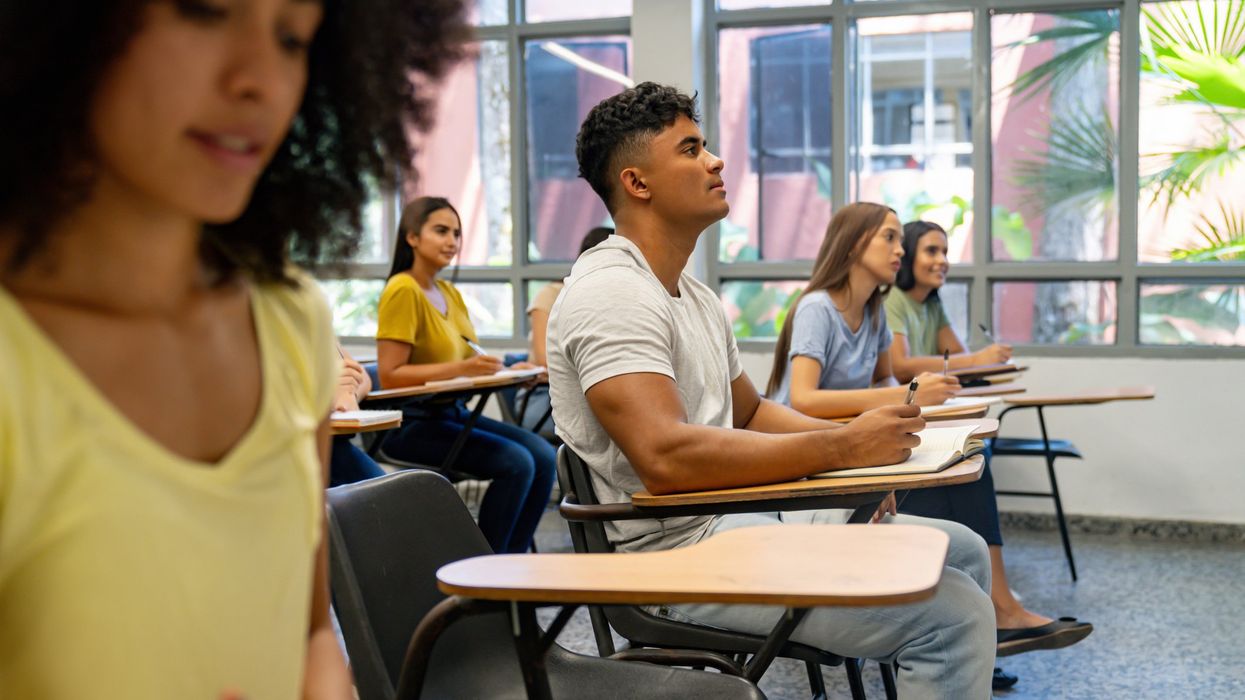
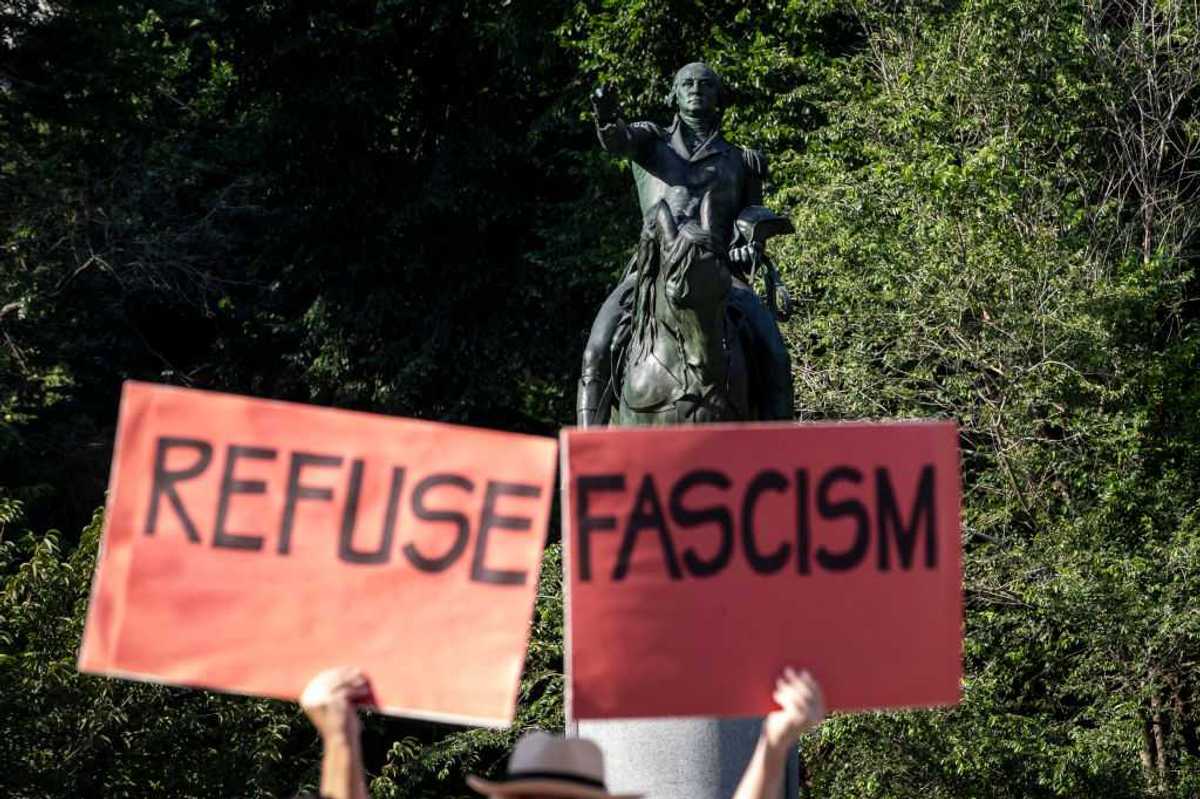


During a recent civics class a student asked me why protests were happening around the country. This student wasn’t being partisan or argumentative. They were just trying to understand what is happening in our democracy right now.
When it comes to teaching civics through current events, the hardest part doesn’t involve breaking up disagreements. Rather, the hardest and incidentally most valuable component is helping students develop meaning from situations as change unfolds on their social media feeds in real time.
As a civics teacher, I am in a unique position to help them make sense of what’s happening in their community and in our nation. And in this current situation, as a teacher who specializes in Homeland Security and as a former immigration lawyer, I’m in an especially unique position.
But my role is the same as any and every teacher in this country - to present current events without advocacy. My legal background provides opportunities to develop civic lessons grounded in sound law, even as current events seem to press legal limits. My lessons are designed to help students develop their own opinions based on reliable evidence and factual information. And because I teach high school, it’s my ongoing responsibility to help students become responsible citizens through developing civic empowerment.
We need meaningful civics education that motivates the next generation to engage leadership roles and public service. Students today, however, won’t simply accept opinions first. They expect clarity. And providing clarity in contemporary civic learning is complex, because there are so many potential distractions. Social media especially holds an increasingly tight grip on students. Moreover, students enter the classroom with a wide range of backgrounds, beliefs and challenges.
My role is to identify where students are and then provide lessons that further the growth of reasonable civic thought, reflection and connection.
As partisanship divides us and adults seem to yell even louder, purposefully teaching civics in the classroom is about developing skills as opposed to pressing an agenda.
My role as a responsible civics teacher today is similar to being both the prosecution and defense attorney in the same first impression case with closing arguments that favor neither side. I focus on being a resource for students driven to develop their own reasoning abilities rather than to accept personal educator bias. My students are motivated to know what Constitutional rights exist, what limits exist, and how legal authorities make decisions. They need to be able to separate truth from fiction, develop arguments based on evidence and documents, and learn how to become responsible citizens. Valuable civic education is not about what to think – it’s about how to think.
A commitment to strong civic education is really the only sustainable solution to ensuring the US will always remain the greatest democracy in the world. Purposeful civic education teaches students how to problem solve within that democracy – and how to work together. Students need civic-focused reasoning to separate systems from sound-bytes. They must realize social media swipes in the present are not nearly as important as civic understanding over the long-term.
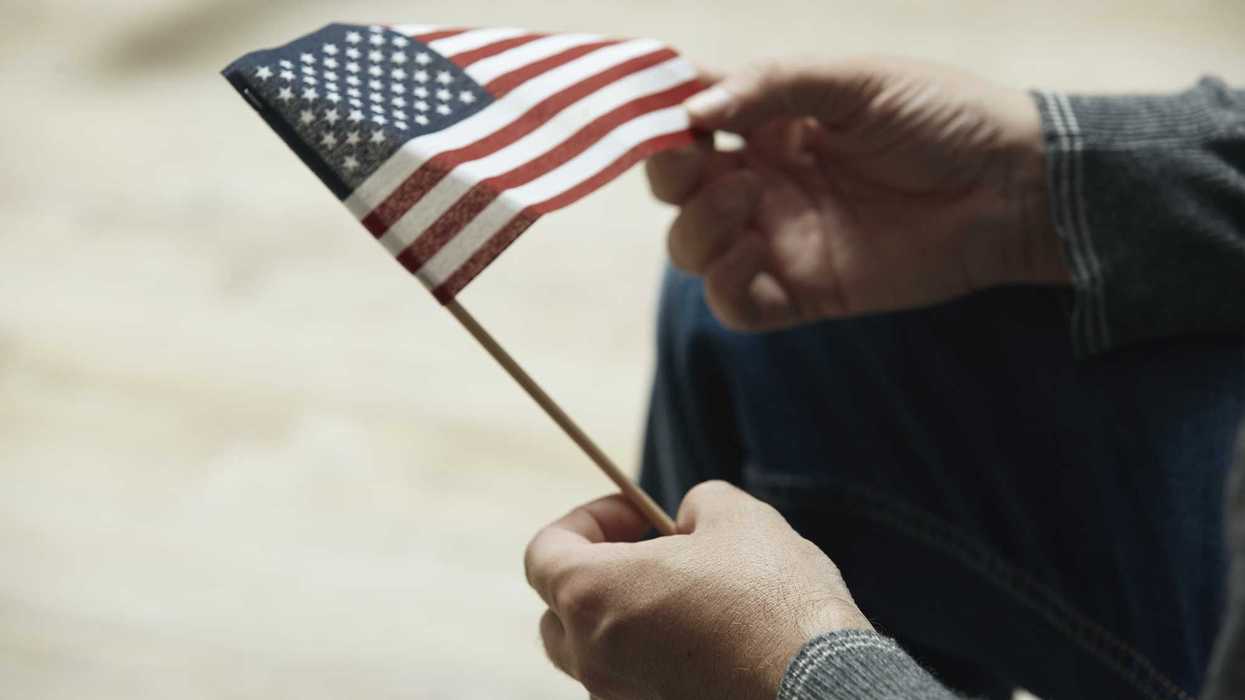
In my own classroom, civic learning extends beyond discussion and into meaningful action. This year, which is both the 250th Anniversary of the nation’s independence and the 25th Anniversary of 9/11, my students are organizing an inaugural 9/11 Flags of Remembrance Project for our community. We hope to have 2,977 US Flags sponsored and displayed at our school, one for each innocent victim of 9/11 - a dynamic symbol of the impact of that horrific day. The Project is about remembering and understanding why certain moments must continue to shape our civic life.
Our nation depends on civic-focused projects, engagements as well as lessons that resonate with students. Civic Learning Week (March 9-14) is an annual recommitment to civic-focused education, providing an ideal opportunity to remember democracy depends on informed participation. Civic Learning Week helps signal to students that their questions matter, supports teachers doing this difficult work, and encourages schools to prioritize civic literacy.
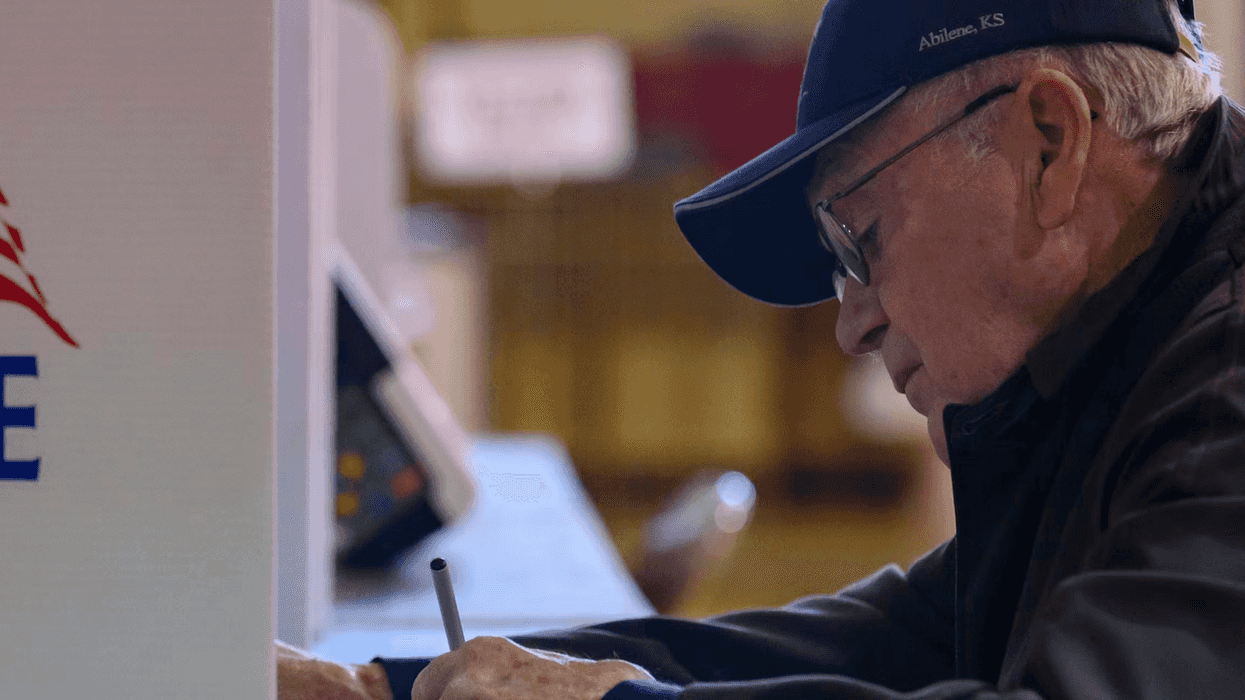
A student several months from graduating asked me how to register to vote, a simple question tied to arguably our most important civic responsibility. Such a question brought a smile to my face.
We need the next generation to appreciate that democracy isn’t taught once – it must be engaged with throughout entire lives. If we want informed citizens, we must be committed to valuable civic education. After all, while teaching the present may be challenging, a commitment to civic learning guarantees we teach it responsibly and prepare the next generation of citizens.
Adam Edward Rothwell is a tenured public high school Homeland Security teacher in Baltimore County, Maryland, and a licensed attorney. The views expressed are his own.