
Two people have been killed in Minneapolis during a confrontation tied to federal immigration enforcement. The state government is resisting the federal government. Citizens are in the streets. Friends of mine who grew up in countries that experienced civil conflict have started texting me, pointing out patterns they recognize.
I don't know how Minnesota will resolve. But I know what it represents: a growing number of Americans do not trust that our disputes can be settled through legitimate institutions. When that trust disappears, force fills the vacuum. This is the context in which we must think about the 2026 elections.
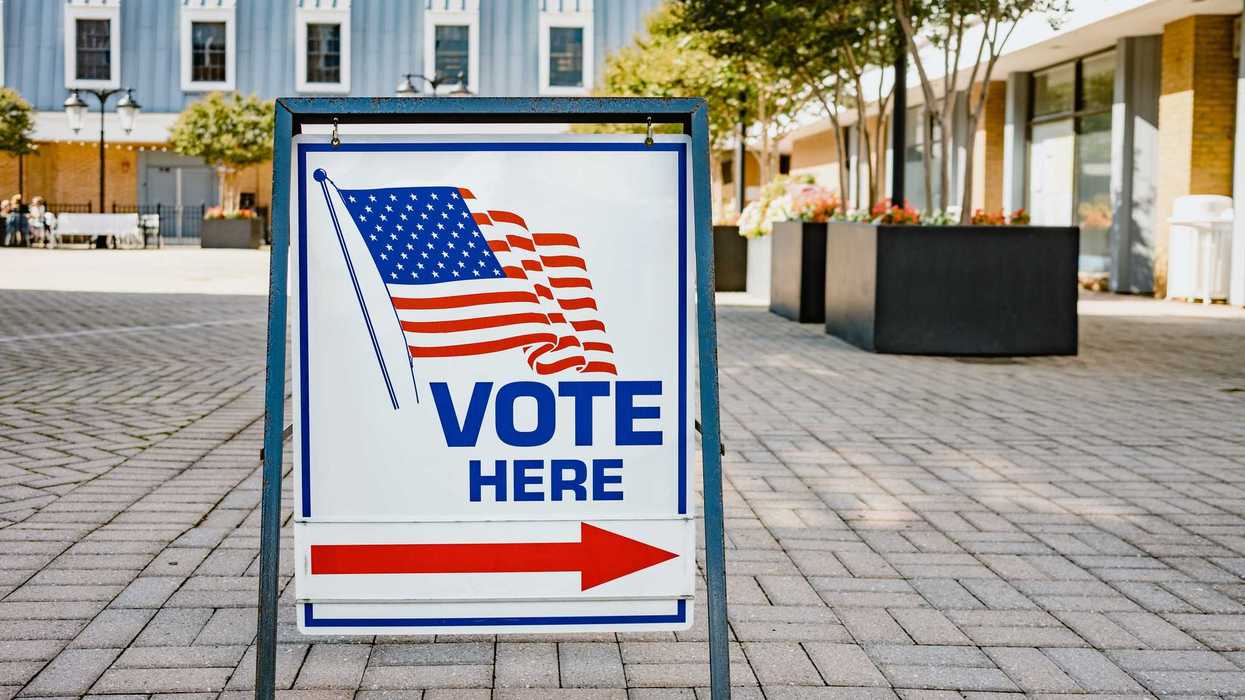
According to the Pew Research Center, voters in 2024 gave high marks to how their local elections were administered, yet expressed less confidence in how elections were run nationally. AP-NORC found a similar pattern: people consistently trusted their local and state tallies more than the national picture. This gap points toward an opportunity. If legitimacy is experienced locally, it can be reinforced, and local pride in local processes can be spread.
A federal commission won't fix this. What might bring disengaged and skeptical citizens into the process, in their own communities, well before the next contested election? This means listening to each other's hopes and concerns. It means public tours of ballot processing. Poll-worker trainings that include people from different parties. County election officials are holding town halls where they answer hard questions transparently. None of this requires legislation or massive funding. It requires intention and invitation.
I'll be honest about the limits. Some distrust has nothing to do with procedures. It's about who's winning and who's losing. Some distrust is deliberately cultivated by people who benefit from our fighting. But local agency and local pride are powerful tools we have. When people see the process with their own eyes, alongside neighbors who vote differently but also agree that our elections should be run as flawlessly as possible, conspiracy theories lose their grip.
Braver Angels, a citizens' organization that brings together Democrats and Republicans, spent two years facilitating consensus-building conversations about elections: 26 workshops, 194 participants, 727 unanimous points of agreement, distilled into three guiding principles:
1. Voting should be easy. Cheating should be hard.
2. Every citizen should have an equal say in who governs them, through free and fair elections.
3. The American government will fail if candidates refuse to accept any outcome other than victory.
These principles aren't novel. That's the point. They reflect what most people already believe when they're not being told to distrust each other.
Imagine a dozen diverse communities deciding to host public events where election officials walk residents through how voting actually works in the coming months. Pair these with facilitated conversations where people can hear each other's concerns and work to resolve them.
Then connect these communities by video. Let a rural county in Georgia hear from an urban precinct in Michigan. Let them share what surprised them and why they are confident in their local election processes. Give them a chance to experience the goodwill of fellow voters in other parts of the country. If a handful of communities demonstrate this model, thousands might follow. The Election Assistance Commission, the National Association of Secretaries of State, and local League of Women Voters chapters are positioned to help with convening power, toolkits, and more.
What is happening in Minnesota feels alarming. But the dynamic is familiar: institutions lose legitimacy, grievances accumulate, and someone decides the rules no longer apply.
Elections are how we peacefully agree on our leaders. When we lose shared trust in our elections, leaders are no longer perceived as legitimate. Our ability to resolve our other conflicts without violence shrinks. This work isn't complicated. But it asks something many of us are out of practice with: being in the same room with people we disagree with and staying long enough to listen. It means helping communities turn toward each other rather than away when things feel scary.
The 2026 midterms are nine months away. The work can start next week in your county, with a phone call to your local election office, a meeting at the library, or a conversation at your place of worship.
We need each other to get through what's coming. We might as well start acting like it.
Joan Blades is a co-founder of LivingRoomConversations.org, AllSides, MomsRising, and MoveOn. This year, a focus on growing local pride in elections is central to her work. Living Room Conversations' Trustworthy Elections (local) conversation guide is a tested tool for inviting in missing voices, building understanding, and connections.