



Last month was National Deaf Awareness Month.
It is a time to raise awareness of Deaf culture and language and to advocate for the rights and inclusion of Deaf and Hard of Hearing individuals.
Since 1997, we have celebrated National Deaf Awareness Month every September.
Despite nearly thirty years of promoting Deaf Awareness Month, Deaf activists' unwavering dedication remains truly inspiring. We believe they still understand the frustration USA Deaflympians feel.
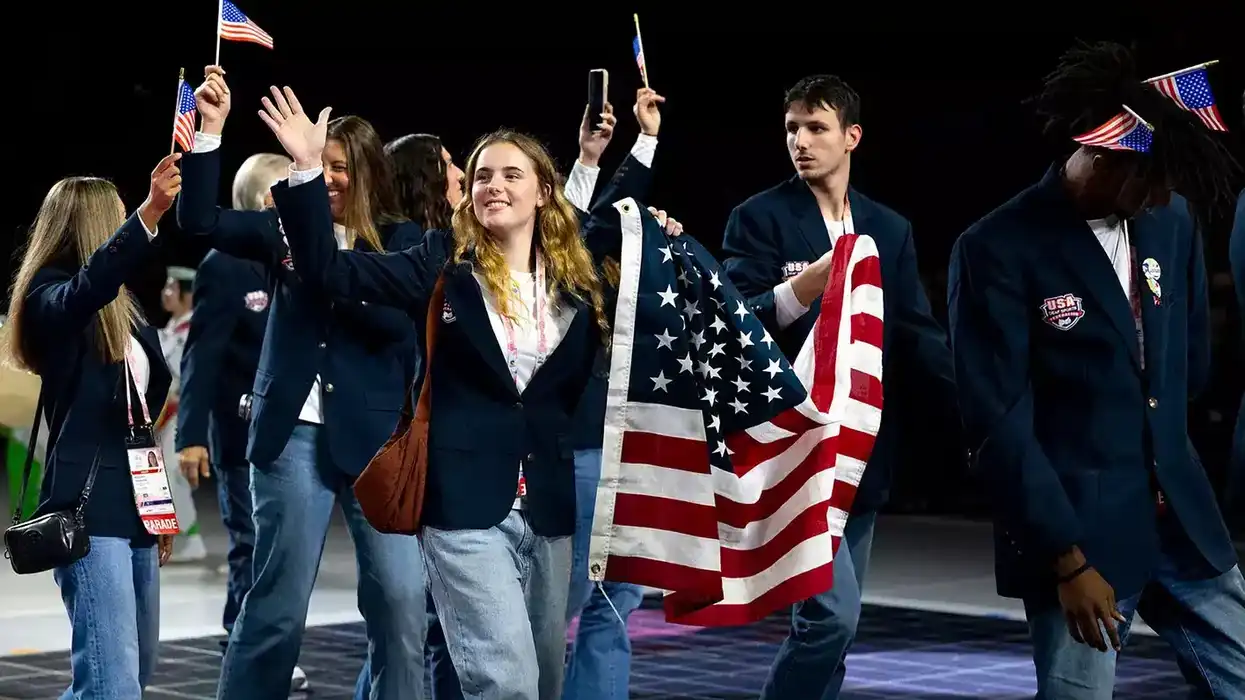
The most disappointing moment of 2025 for our Deaflympians was the lack of national news media coverage of the 2025 Summer Deaflympics in Tokyo, Japan, held November 15 to 26. Despite Team USA bringing home 36 medals and competing against 81 countries, major news outlets (outside of YouTube) ran no on-air reports or feature articles during or after the Games. By comparison, the Olympics and Paralympics consistently receive extensive daily coverage and athlete profiles across television and online media. This absence limits public awareness and recognition of the Deaflympics in the United States.
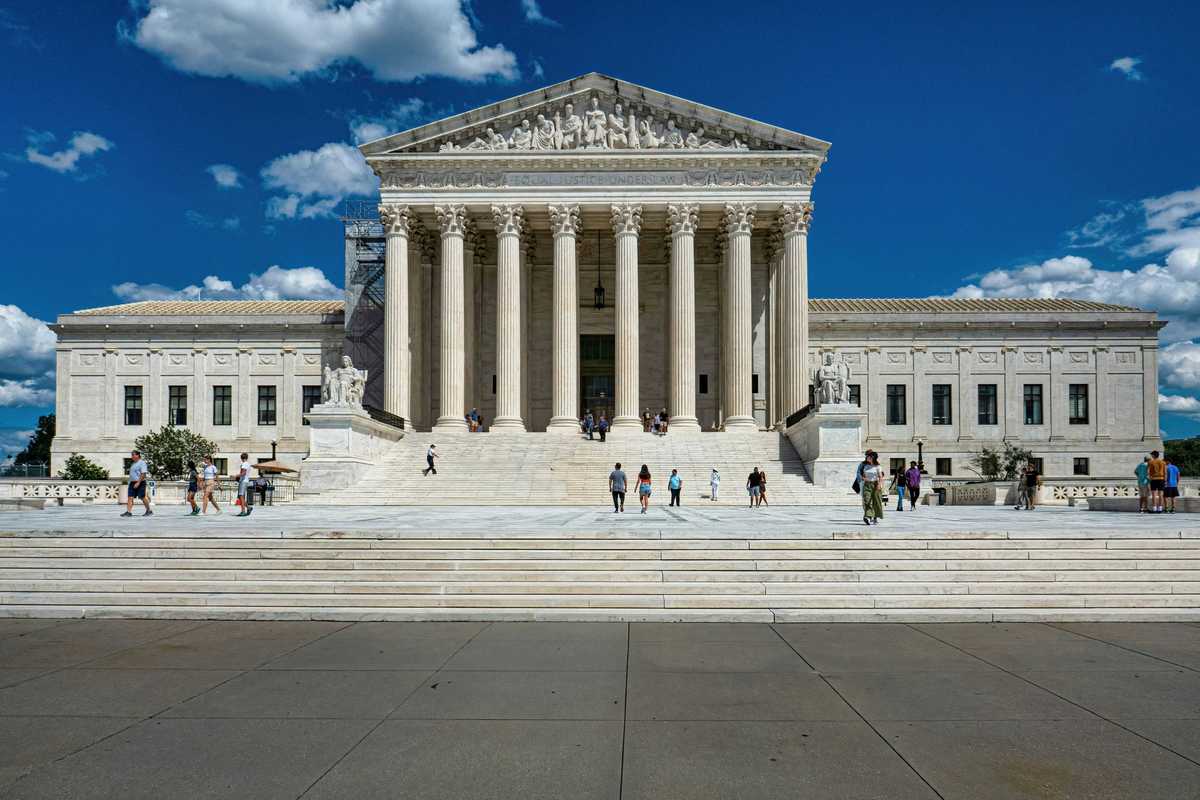
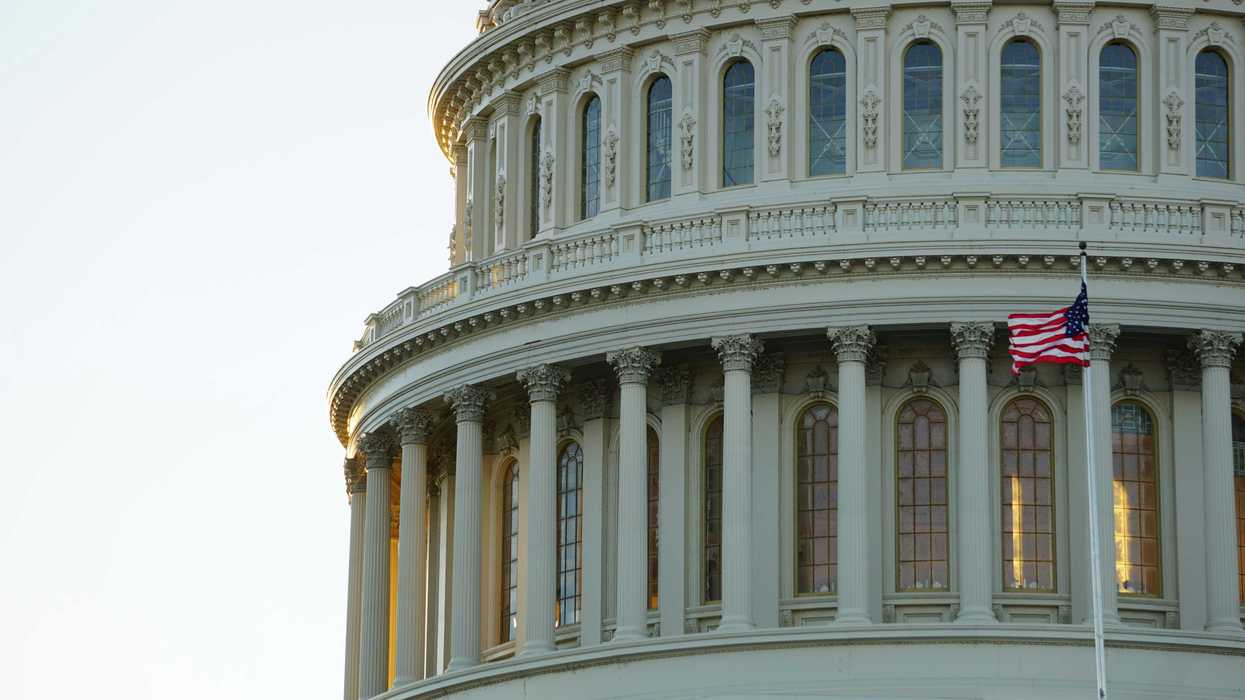
Therefore, Congress and the U.S. Olympic & Paralympic Committee (USOPC) ought to reassess the Ted Stevens Olympic and Amateur Sports Act of 1998 (the “Ted Stevens Act”) to include the Deaflympics.
Four Reasons to Include the Deaflympics
No. 1 - Consistency with the Olympic Movement: The IOC fully recognizes the Deaflympics; therefore, U.S. law must do the same.
Law: 36 U.S.C. § 220503(2) is a provision of the Ted Stevens Act that requires the USOPC to have the statutory mandate to “coordinate and develop amateur athletic activity in the United States, directly related to international amateur athletic competition.”
Fact: Since 1924, the Deaflympics have been the world’s second-oldest Olympic-style event, following the Olympic Games. The International Olympic Committee (IOC) has officially sanctioned the Deaflympics since 1955. However, the 1998 expansion of the Ted Stevens Act explicitly mandated USOPC governance over the Olympic and Paralympic Games but omitted the Deaflympics. In 2001, the IOC granted the International Committee of Sports for the Deaf (ICSD) the right to use the term Deaflympics (formerly the World Games for the Deaf). The USOPC does not officially recognize the Deaflympics, primarily because of governance autonomy and the specific statutory language of the Ted Stevens Act.
Recommendation for Congress: The USA Deaf Sports Federation (USADSF) and the ICSD strongly support including the Deaflympics under the USOPC, viewing it as essential to equity and recognition. The USOPC has neither publicly opposed nor supported such inclusion but has cited legal and structural reasons for maintaining the status quo. Lawmakers should expect broad support from Deaf advocacy groups and some international bodies, though those focused on preserving existing governance distinctions may resist.
No. 2 - Equity for Disabled Athletes: Deaflympians are the only Olympic-style athletes not included in the Ted Stevens Act
Law: 36 U.S.C. § 220503(13) authorizes the USOPC to “encourage and assist amateur athletic programs and competitions for amateur athletes with disabilities”.
Fact: The USOPC does not officially include purely Deaf athletes in its primary Diversity, Equity & Inclusion (DE&I) frameworks.
Recommendation for Congress: In the 277-page 2024 Final Report of the Commission on the State of U.S. Olympics and Paralympics (CSUSOP), the Commission recommends that “Congress should also further study the challenges faced by deaf and hard-of-hearing athletes and proposals to integrate deaf sports into the U.S. Olympic and Paralympic movement.”
No. 3 - Congressional Intent of Inclusion: Congress intended to include all Olympic-style sports without exception.
Law: Under the Ted Stevens Act, Congress granted the USOPC exclusive jurisdiction over Olympic-style sports.
Fact: Excluding the Deaflympics from the Ted Stevens Act would not legally require the USOPC to track Deaf athletes or integrate them into its broader equity, resource allocation, and organizational compliance mandates.
Recommendation for Congress: Now is a pivotal moment for Congress to act to address these inequities and prevent another generation of Deaf athletes from being lost to systemic neglect.
No. 4 - Leadership and Legacy: Updating the Act honors Ted Stevens’s legacy of fairness and inclusion.
Law: The 1998 Amendment officially renamed the law the Ted Stevens Olympic and Amateur Sports Act.
Fact: Senator Stevens introduced Senate Bill 2430 (1998) on the Senate floor on May 22, 1998, and stated:
“World Games for the Deaf--It has been suggested that both the bill and the Committee report which eventually accompanies the bill include language in support of the World Games for the Deaf and of deaf athletes. It is anticipated that this issue will be addressed by consensus before the bill becomes enacted.”
Yet that language never made it into the law.
Recommendation for Congress: The Ted Stevens Act could be amended as follows:
- In 36 U.S.C. Section 220502(a), insert “Deaflympic Games” after each instance of “Paralympic Games” to ensure the USOPC’s responsibilities explicitly include the Deaflympics.
- In Section 220501(b), add the following definition: (10) The term “Deaflympic Games” means the international athletic competitions sanctioned by the International Committee of Sports for the Deaf (ICSD) for athletes who are Deaf or Hard of Hearing.
- In Section 220503, add: “The corporation [USOPC] shall support, fund, and promote the Deaflympics and ensure that Deaf athletes have equal access to resources, training, and representation as Olympians and Paralympians.”
The final 1977 report of the President’s Commission on Olympic Sports (PCOS) recommended recognizing athletic events for individuals with disabilities as legitimate sports competitions for elite, highly trained athletes rather than dismissing them as mere therapy or rehabilitation.
The Amateur Sports Act of 1978 required the U.S. Olympic Committee to “...encourage and provide assistance to amateur athletic programs and competition for handicapped individuals, including, where feasible, the expansion of opportunities for meaningful participation by handicapped individuals in athletic competition programs for able-bodied individuals...”
Additionally, U.S. Deaflympic medalists are ineligible for the USOPC Operation Gold cash stipends awarded to medalists.
Therefore, Congress ought to amend the Ted Stevens Act to explicitly recognize the Deaflympics as an official part of the United States Olympic movement, ensure that Deaflympians receive the same support and representation as Olympians and Paralympians, and require the USOPC to fund and support Deaf athletes. The amended language ought to reference the “Deaflympics” and establish equal access to training, competition opportunities, and promotional activities.
It’s time for Congress and the USOPC to include the Deaflympics in the Act.
Howard Gorrell is an advocate for the deaf, a former Republican Party election statistician, and a longtime congressional aide. He has been advocating against partisan gerrymandering for four decades.








The President Invited Iran to Bomb My Home