



How can leaders who broke the constitutional order, ignored their oath, weakened rights, and harmed the people now ask Americans to forget — and reward them with reelection? The question is not abstract — it goes to the heart of what the Constitution demands from those who swear an oath to uphold it.
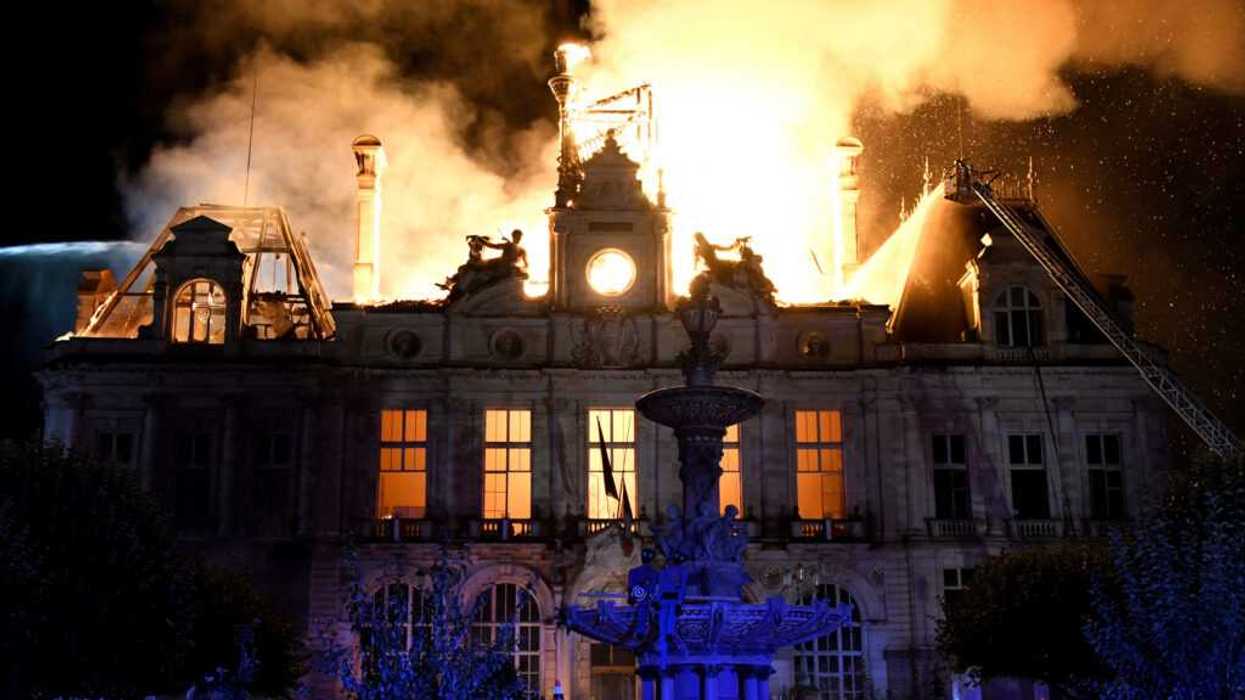
The constitutional order is the framework that protects the Republic: three branches, checks and balances, oversight, limits on executive power, and the oath every member of Congress swears — to support and defend the Constitution of the United States. Yet in recent years, Congress has allowed that order to erode. Oversight collapsed. Guardrails bent. Silence replaced accountability. Loyalty to a president replaced loyalty to the Constitution.
But something else has changed too: voters.
Today, people are more politically literate — paying attention to promises made and unkept, roll‑call votes, and the policies that shape their daily lives. Millions have watched rights taken away, the ACA dismantled with nothing replacing it, corruption, executive overreach, and checks and balances ignored. Voters understand the stakes of reelecting leaders who have ignored their needs, weakened their rights, and abandoned their constitutional responsibilities.
The human cost of congressional neglect is nonpartisan — in every state. And the harm is lived. Families struggling with affordability. Communities harmed by compromised agencies. Public health systems strained. DEI protections rolled back. ICE abuses unchecked. The ACA dismantled with no replacement. Voting rights restricted. Election workers threatened. Foreign influence ignored. Inspectors general fired. Free speech attacked. Constitutional responsibilities treated as optional.
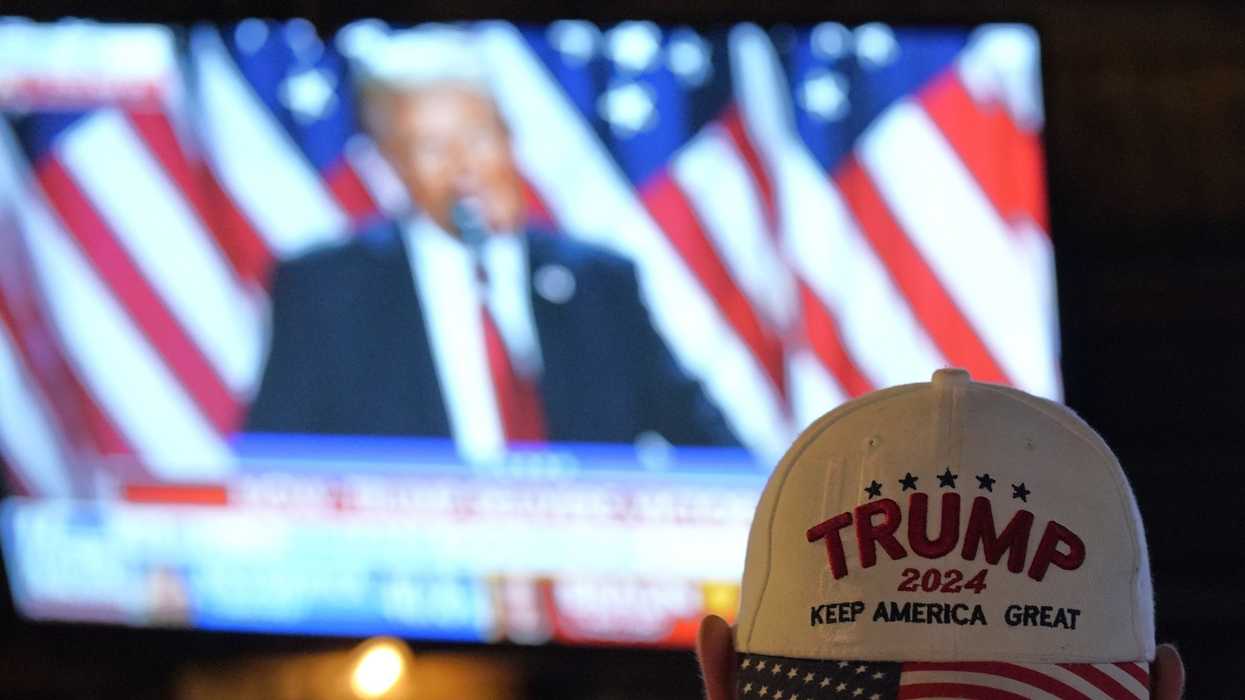
Today, Congress includes more than 100 documented election deniers — including a president who promotes it. Election denial and election interference deepen the damage. It rejects the constitutional process for transferring power. Leaders who deny certified results cannot claim loyalty to the Constitution. How can an election denier uphold an oath to the Constitution when election denial itself rejects the constitutional process?
The consequences of this broken order extend beyond domestic policy. The nation is living through a war Americans did not ask for — and Congress did not authorize. Congress failed to restrain unilateral military action, leaving the country in conflict without the constitutional safeguard of congressional approval. Reporters, veterans, communities of color, and entire states feel the weight of decisions made without oversight.
I have tried to hold leaders accountable. I have written to members of Congress across the country, asking whether they are honoring the oath they swore. I asked about rhetoric, the dismantling of the ACA, overreach, corruption, and ignored constitutional responsibilities. Each acknowledged my letters. None answered my questions. Citizens are entitled to answers. But Congress has learned that silence is easier than accountability — hoping voters will forget.
I hear the same frustration from relatives in Texas, who have watched their senator do little to help the people while repeating falsehoods that exhaust voters already overwhelmed by political deception. The pattern is familiar: leaders who break the constitutional order, ignore constituents, and then ask for votes as though the public has forgotten their record. It is exhausting to watch lies flood the airwaves while roll‑call votes and lived experience tell a different story.
It is even more exhausting to watch leaders look into cameras and repeat falsehoods while supporting policies that harm the people and weaken the Republic. Their public statements often contradict their votes, their silence in moments of crisis, and their unwavering support for a president whose overreach has broken constitutional guardrails. Yet these same leaders ask for votes as though their record does not exist. The gap between their words and their record is no longer a political problem — it is a constitutional one.
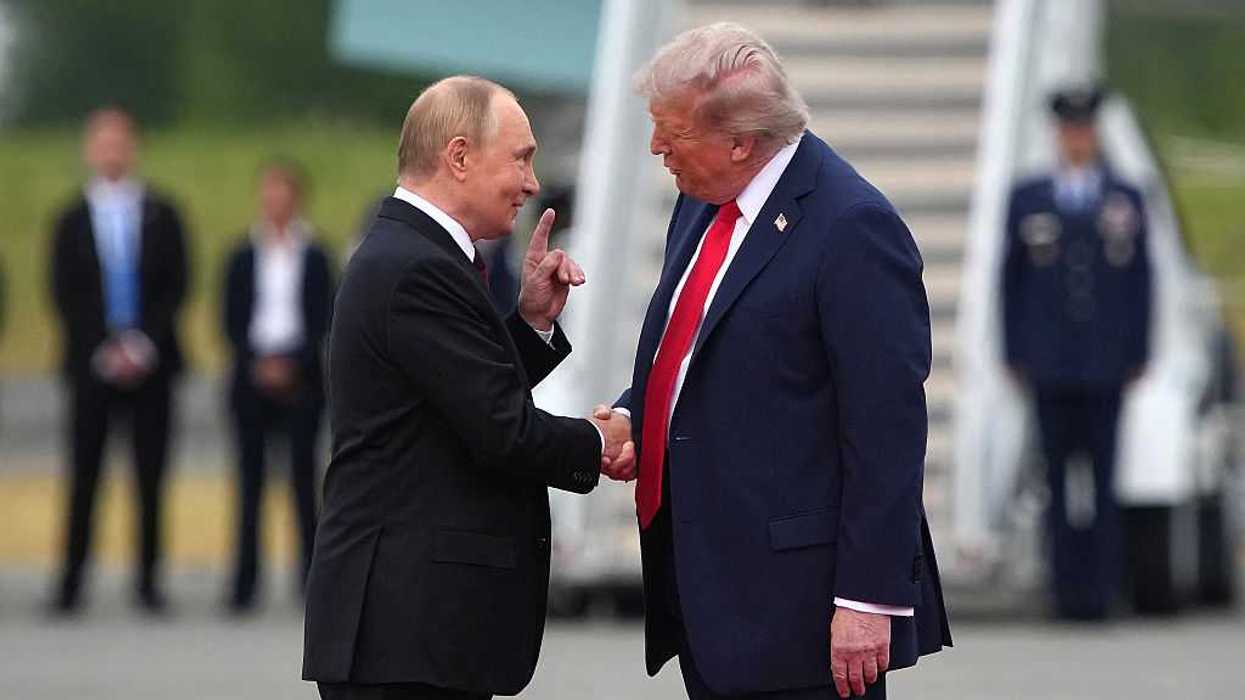
Americans should sense the desperation in these appeals. When the vice president asks for “one more chance,” and the president promises a $5,000 payment if his party keeps control of Congress, it reveals a troubling truth: they know the damage they have done. They know their record cannot stand on its own. Putting the president’s name on the COVID relief checks worked once. Now they hope money and manufactured loyalty will work again — that voters will forget the broken guardrails, the corruption, and the harm inflicted on the Republic.
This strategy is not new. It reminds me of the old proverb: “Fool me once, shame on you; fool me twice, shame on me.” Some supporters have voted multiple times for leaders who harmed them — and now openly express regret. They feel misled by promises that never materialized and policies that made their lives harder. Millions now ask: how can leaders who broke the constitutional order, ignored their oath, weakened rights, and harmed the people expect voters to forget — and reelect them? Leaders who did the most damage are counting on voters to forget, forgive, and — as the vice president asked — give them another opportunity to repeat the damage.
The Constitution gives power to the people — not to those who seek to manipulate them. And voters have more power than they realize. They can choose clarity over chaos, courage over intimidation, and truth over noise. They can remember the harm, who caused it, and why. They can refuse to be sidelined by party loyalty, pity, or lies. They can weed through conspiracies, do their research, seek the truth, and protect their voice, their power, and the Republic.
To protect the Republic, voters must vote with clarity — not confusion, not exhaustion, not fear. Clarity comes from political literacy, the civic skill the framers expected of the people. Political literacy means understanding political systems, constitutional responsibilities, and the difference between leadership and loyalty. It means developing critical thinking skills, evaluating media carefully, and recognizing when leaders distort reality to avoid accountability. It means knowing the record — not the rhetoric.
Even if Congress changes, citizens will have to work even harder to demand accountability. A new Congress does not automatically restore constitutional order. It will take determination and vigilance — especially when some say this president ignores accountability altogether. The framers never intended accountability to be optional. They intended it to be enforced by the people.
Someone once said that insanity is doing the same thing over and over again and expecting different results. We must reflect on what happens when we repeatedly vote for leaders who denied elections, remained silent in moments of crisis, took away rights, dismantled healthcare, weakened DEI protections, ignored ICE abuses, and allowed corruption to flourish. We may not be able to control every storm around us. But we can decide whether we will surrender our humanity, our hope, our voice, or our joy to it.
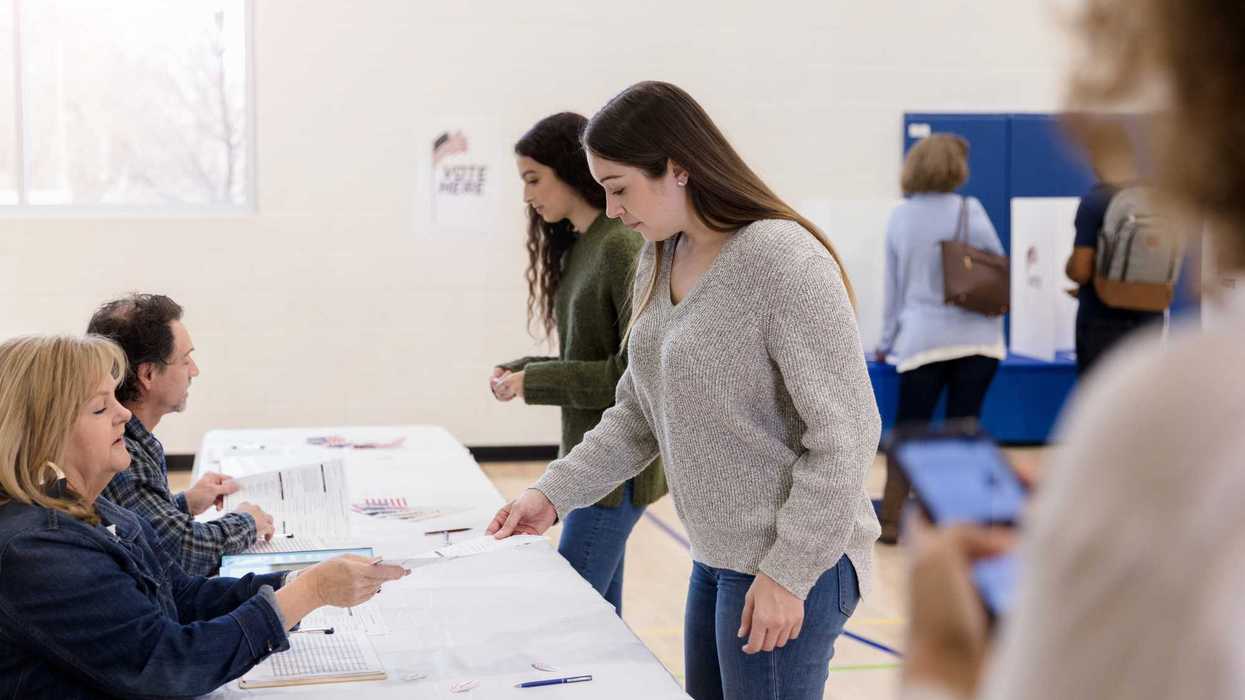
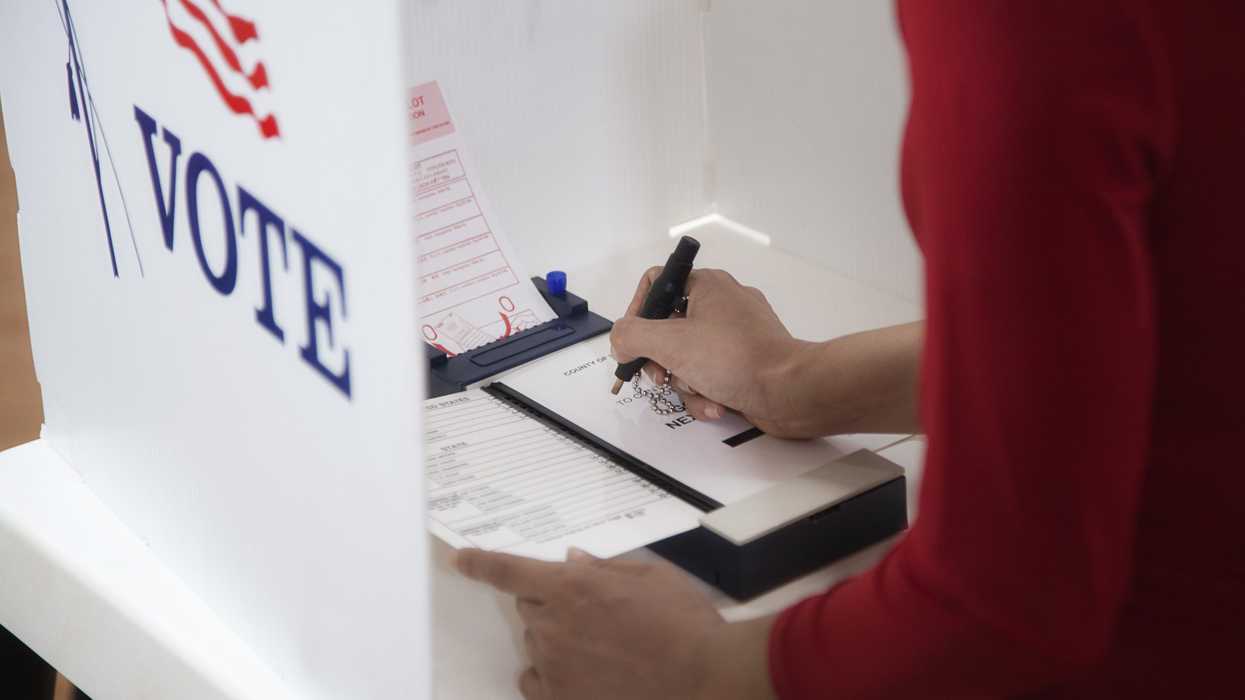
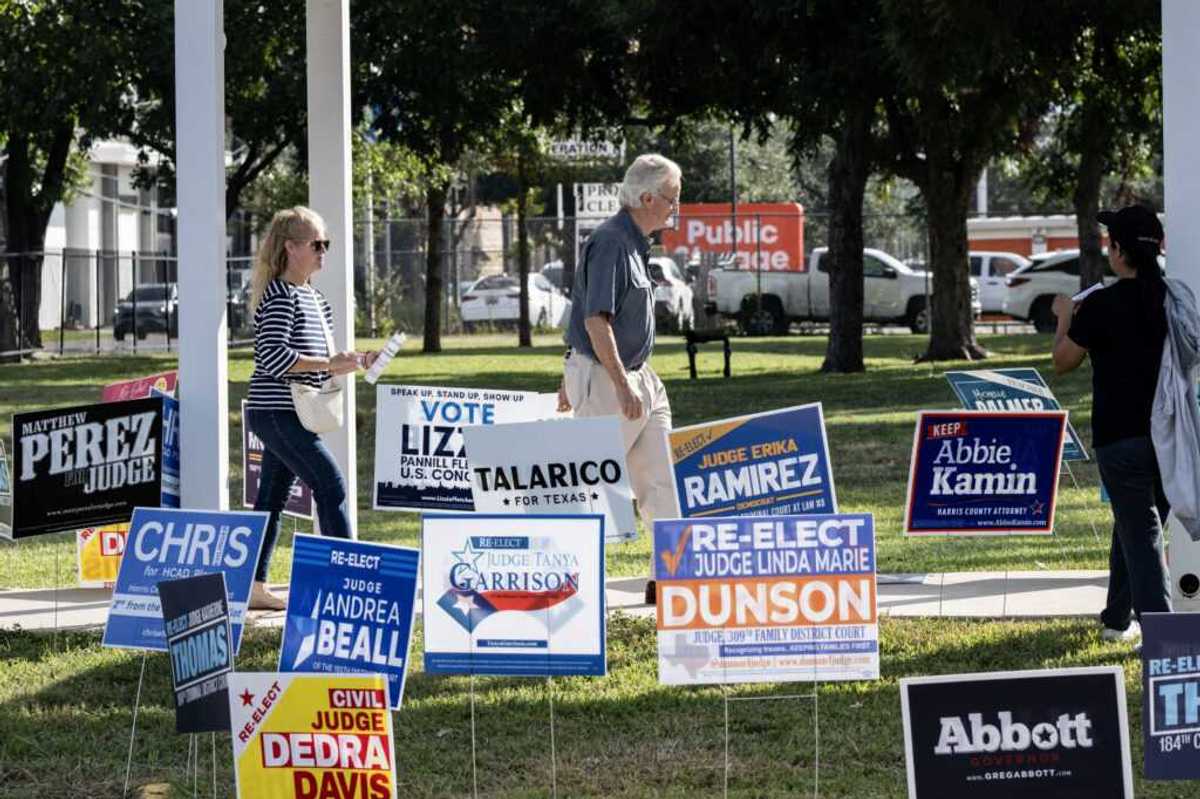
Voters must make a plan to vote — and vote. We cannot vote for a leader merely because they ask us to, want us to, or share our party label. We must look at the record. We must remember our power to put the Republic back on course. Protect your voice. Protect your power. Protect the Republic.
George Santayana warned that “those who cannot remember the past are condemned to repeat it.” Congress is counting on that. They want voters to forget the broken guardrails, the harm, the corruption, and the constitutional neglect. But forgetting is how democracies fail. Remembering is how democracies survive.
The founders warned us: A Republic, if you can keep it. Keeping it requires memory. Keeping it requires vigilance. Keeping it requires clarity. And keeping it requires refusing to forget what Congress hopes we will — because the survival of the Republic depends on what the people choose to remember.
_________________________________________________________________________
Carolyn Goode is a retired educational leader and former principal who has spent her career advancing civic responsibility, equity, and public engagement. She writes about democracy, leadership, and the values that strengthen American communities.