

Welcome to the Fulcrum Roundtable.
The program offers insights and discussions about some of the most talked-about topics from the previous month, featuring Fulcrum’s collaborators.
Consistent with the Fulcrum's mission, the Fulcrum Roundtable strives to share many perspectives to widen our audience’s viewpoints.
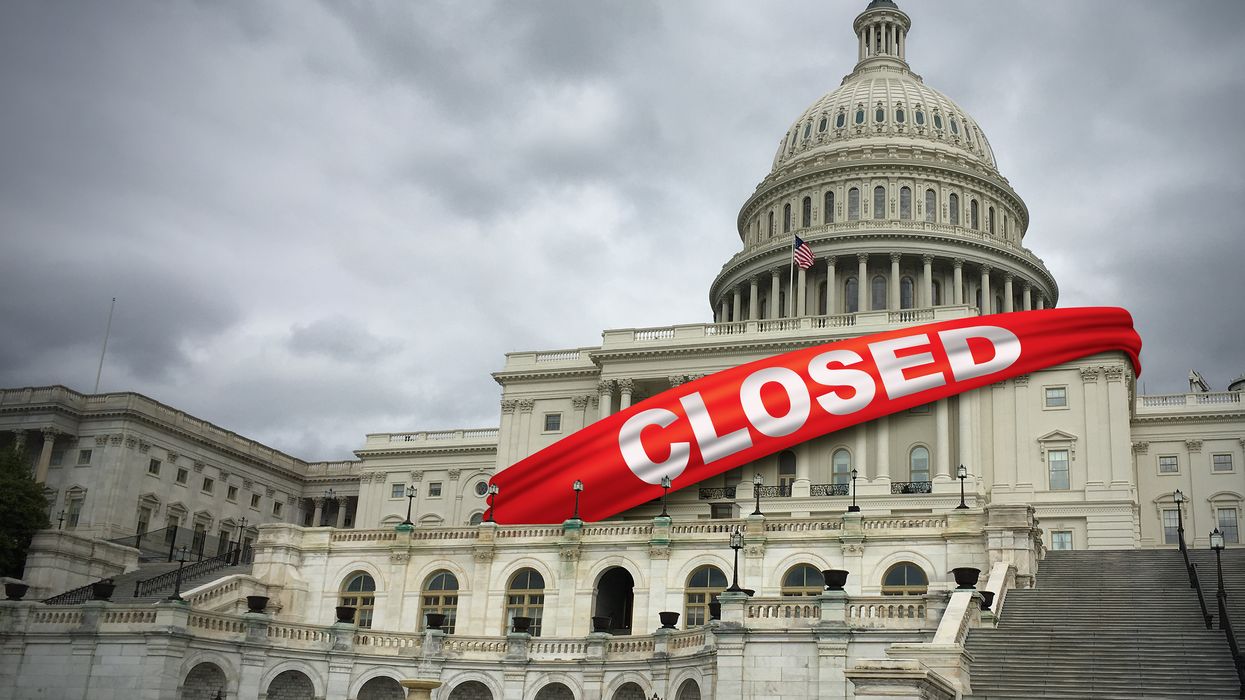
The most recent U.S. government shutdown lasted from October 1 to November 12, making it the longest in American history at 43 days.
It began after Congress failed to pass a continuing resolution, leading to the furlough of about 900,000 federal employees and the closure of numerous agencies and institutions.
The shutdown ended when President Trump signed a funding bill on November 12, which temporarily extended government funding until January 30, 2026, and approved three full‑year appropriations bills.
Although the shutdown has concluded, its ripple effects remain: federal employees are facing steep increases in health insurance premiums, and delayed economic data releases have complicated assessments of U.S. growth.
Politically, the shutdown coincided with declining approval ratings for the administration, underscoring the broader impact of the prolonged stalemate.
Helping us make sense of it all are two Fulcrum collaborators.
Bobby J. Smith II, an Associate Professor of African American Studies at the University of Illinois—Urbana-Champaign. He is also the author of the James Beard Award-nominated book, Food Power Politics: The Food Story of the Mississippi Civil Rights Movement.
Joseph Crupi, a legal scholar who studies the legislative process. He previously served as a Scholar-in-Residence at the Law Library of Congress.
- YouTube youtu.be
In the column, Crisis Not Averted: How Government Shutdown Exposes America’s Food Insecurity, Bobby wrote about SNAP benefits:
To be very clear, what the world is witnessing right now isn’t just another political game. It is the latest move in the administration’s War on Food Security, or the ability of many Americans to access safe and nutritious food.
This war began when Congress passed the One Big Beautiful Bill Act of 2025 on July 4 of this year, effectively transforming food into a political weapon. The law severely cut food stamps and terminated the SNAP-Ed program, which provided food and nutrition education to millions of low-income individuals.
In Arbitration Could Prevent Government Shutdowns, Joseph wrote that the way Congress makes decisions seems almost designed to produce government shutdowns:
Senate rules require a three-fifths supermajority to close debate on most bills. In practice, this means that senators from both parties must agree to advance legislation to a final vote. In such a polarized political environment, negotiating an agreement that both sides can accept is no easy task. When senators inevitably fail to agree on funding bills, the government shuts down, impacting services for millions of Americans.
Joseph argues that arbitration could offer a way out:
In arbitration, the parties to a dispute select a neutral third party to resolve their disagreement. While we probably would not want to give unelected arbitrators the power to make national policy decisions, arbitration could help resolve the much more modest question of whether an appropriations bill could advance to a final vote in the Senate.
I invite you to read their columns and those of all of The Fulcrum's contributors. It's time well spent.
Hugo Balta is the executive editor of the Fulcrum and the publisher of the Latino News Network.