


Skip to content
Search

Latest Stories

Follow Us:
Top Stories

Legislative Preview for June 1, 2026

News

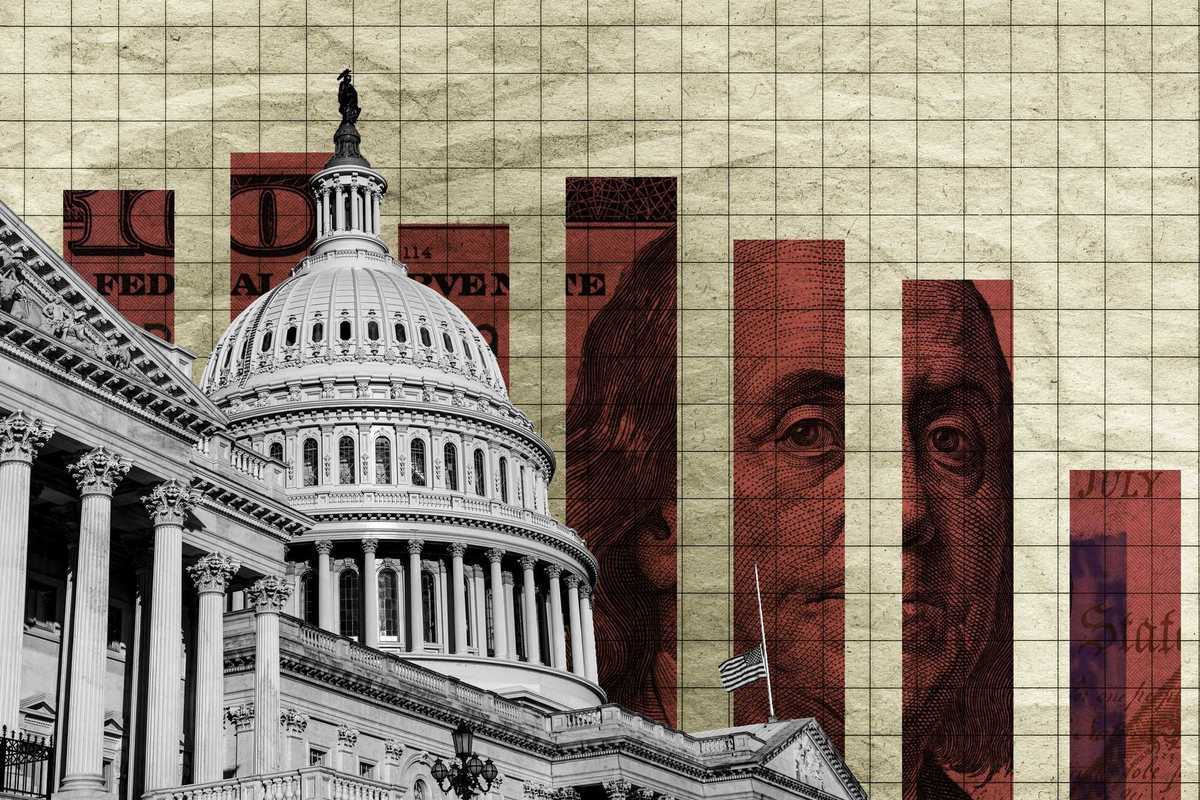
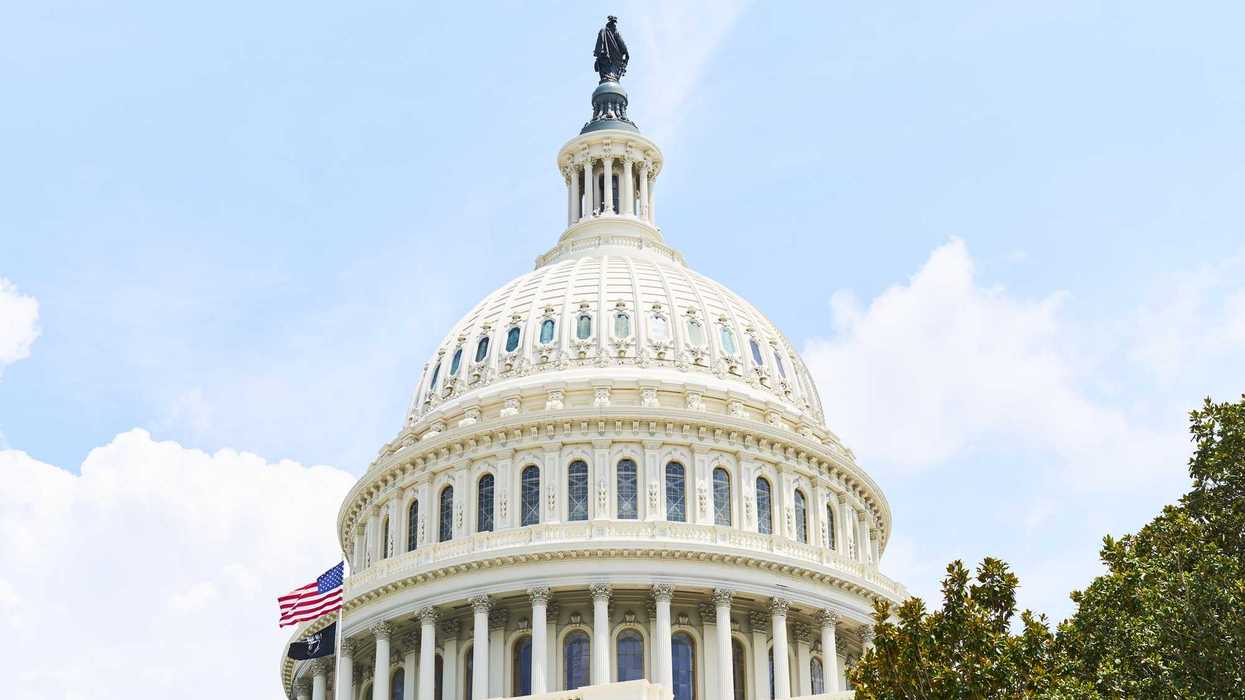
The dome of the United States Capitol Building in Washington, D.C., stands tall against a blue sky with the American flag waving proudly

A look at this week's congressional agenda, including House votes on Iran, Ukraine, FISA, appropriations, and key legislative priorities.

Getty Images, aire images

There will be plenty of coverage around the likely drama involved in picking up where House and Senate Republicans left off before this most recent week off. (For a recap, see our last post.) So we’re not going to go into any detail about what might happen with the reconciliation bill (originally only for two departments in the Department of Homeland Security; now enlarged with funding for the President’s ballroom project and overshadowed by the announcement of the President’s plan to pay off political allies with funds from the Department of Justice) or the FISA extension or the housing bill that’s been pingponging between chambers because you can read in sources like Politico about these marquee issue.

We will note that the Iran War resolution postponed in the House before the recess may be up for a vote this week, along with a resolution to remove US troops from Lebanon and a discharge petition (number 8) to put forward a bill authorizing support for Ukraine. Three privileged resolutions, of which one is a discharge petition (meaning it has 218 co-sponsors meaning at least a few House Republican co-sponsors), is a lot for one week. Especially when all three are expressing opposition to various administration stances and might get some House Republican votes.


Now, procedurally, these three votes should go to the House Floor this week. But, as we’ve seen several times, most recently the week before last, Speaker Johnson is fine with adjourning the House instead if he thinks he won’t like the result of a vote. So we’re sticking with “may happen” until it actually does.

The bulk of the bills on the Weekly Schedule both uncontroversial and largely about public lands’ matters. One bill, S. 254: ARTIST Act, which amends the Marine Mammal Protection Act of 1972 to protect the cultural practices and livelihoods of producers of Alaska Native handicrafts and marine mammal ivory products, would go to the President for signing if it passes in the House.

There are 44 committee meetings across both chambers this week with the bulk of them focused on or another stage of the appropriations process. Secretary of State Marco Rubio will appear four times in front of committees this week, starting with Senate Foreign Relations on Tuesday. Ostensibly, the hearing is about State’s budget request for the upcoming fiscal year, but one would expect he will also get questions about the ongoing war against Iran and the rumored plan to attack Cuba soon.

See everyone on Friday for the recap!


Legislative Preview for June 1, 2026 was originally published by GovTrack.us and is republished with permission.


Read More

Can Coalitions Built on Opposition Still Govern?

Supporters of President Donald Trump, February 09, 2024 in Harrisburg, Pennsylvania.

(Photo by Spencer Platt/Getty Images)

Can Coalitions Built on Opposition Still Govern?

Political parties are supposed to do two things at once: win elections and govern. Those are not the same skill.

Winning elections requires assembling coalitions large enough to secure power. Governing requires maintaining enough internal agreement to make decisions, negotiate trade-offs, allocate resources, and sustain policy direction once power is achieved.

Keep Reading Show less
The Fragile Promise of the Ballot
black and white love print crew neck shirt
Photo by Cyrus Crossan on Unsplash

The Fragile Promise of the Ballot

Recent Supreme Court decisions such as Shelby County v. Holder and Brnovich v. Democratic National Committee were not just redefinitions of election law; they marked a critical shift away from the federal government’s duty to ensure equal ballot access—a duty fundamental to democracy.

The consequences were swift and broad. Within hours, Shelby County, Texas, imposed strict voter ID rules that federal officials had previously blocked under the Voting Rights Act’s pre-clearance provisions. Soon after, North Carolina reduced early voting and eliminated same-day registration. Across parts of Alabama, Georgia, and other Southern states, polling places closed or moved, often in communities with large Black populations. What once required federal review could now proceed quickly.

Keep Reading Show less
Veterans Caught in the Justice System Need Support, Not Neglect
Worn american flag with white embroidered stars and red stripes.
Photo by Tim Mossholder on Unsplash

Veterans Caught in the Justice System Need Support, Not Neglect

Roughly 200,000 service members leave the military each year. As a retired brigadier general who spent more than three decades in the U.S. Army, I know that most of them return home stronger from their service with a greater sense of pride and purpose.

But many veterans also carry invisible wounds. Suffering from post-traumatic stress disorder, traumatic brain injury, or other combat-related trauma, too many fall into the criminal justice system and still need our help.

Keep Reading Show less
Senate Pushes $72 Billion ICE Funding Boost as Abuse Allegations Mount
Federal agents guard outside of a federal building and Immigration and Customs Enforcement (ICE) detention center in downtown Los Angeles as demonstrations continue after a series of immigration raids began last Friday on June 13, 2025, in Los Angeles, California.
Getty Images, Spencer Platt

Senate Pushes $72 Billion ICE Funding Boost as Abuse Allegations Mount

Washington, D.C. — The Senate is preparing to begin a budget reconciliation process that could direct up to $72 billion in new funding to U.S. Immigration and Customs Enforcement (ICE) and Customs and Border Protection (CBP), a move that has prompted sharp criticism from civil rights groups who argue the agencies already operate with expanded enforcement powers and minimal oversight.

The proposal isn’t a standard spending bill. It’s a reconciliation package, which allows Republicans to advance it in the Senate with a simple majority rather than the 60 votes normally required to break a filibuster. That procedural choice makes it one of the most direct efforts yet to cement Trump’s immigration agenda without needing Democratic support.

Keep Reading Show less