



What Is The War Powers Resolution of 1973?
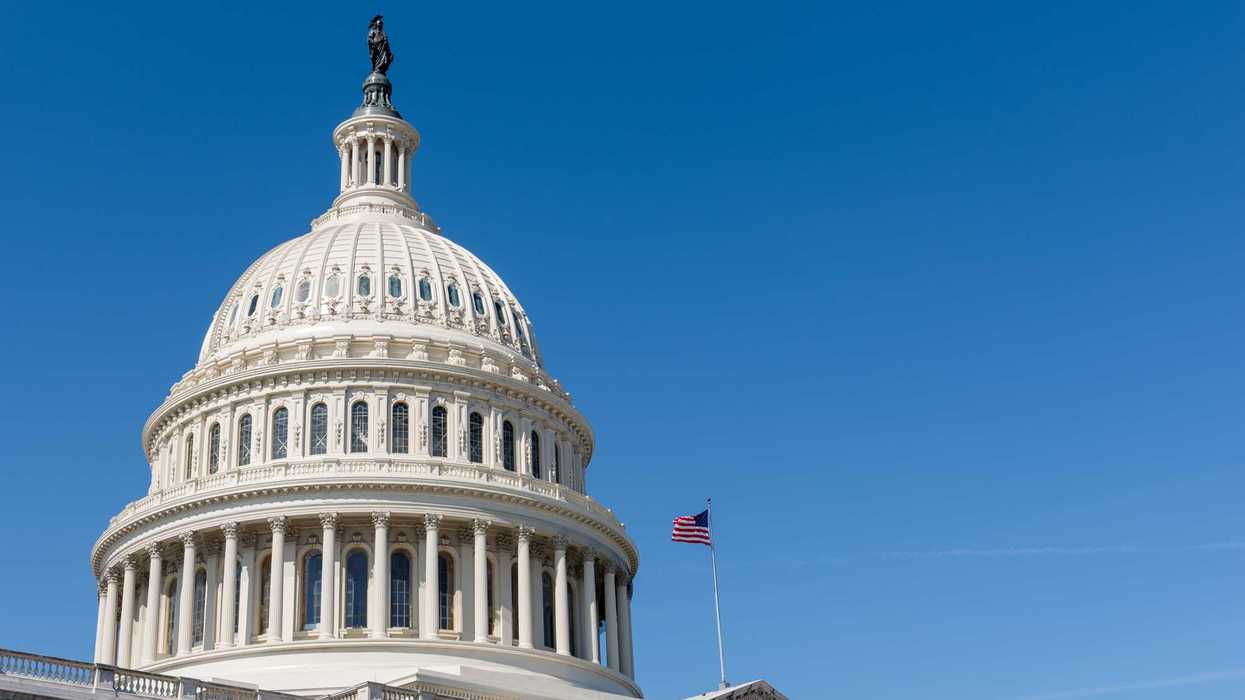
The War Powers Resolution of 1973 is a law enacted by Congress that limits the U.S. president’s ability to wage or escalate military operations overseas. Passed on November 7, 1973 amid the Vietnam War, the War Powers Resolution reasserts Congress’ constitutional power “to declare war” and “to raise and support Armies.” A key provision of the War Powers Resolution requires the president to submit a report to Congress within 48 hours of military deployment in the absence of an official declaration of war by Congress detailing:
- The circumstances requiring U.S. forces;
- The constitutional or legislative justification for the president’s actions;
- The estimated duration of U.S. involvement in the hostilities.
If Congress does not formally declare war or enact special authorization for continuation of the U.S’ involvement in a conflict within 60 days of the report’s submission, the president must withdraw U.S. troops from the hostilities. If Congress does declare war, the president is instructed under the War Powers Resolution to report to Congress periodically on the status of the hostilities no less than once every 6 months.
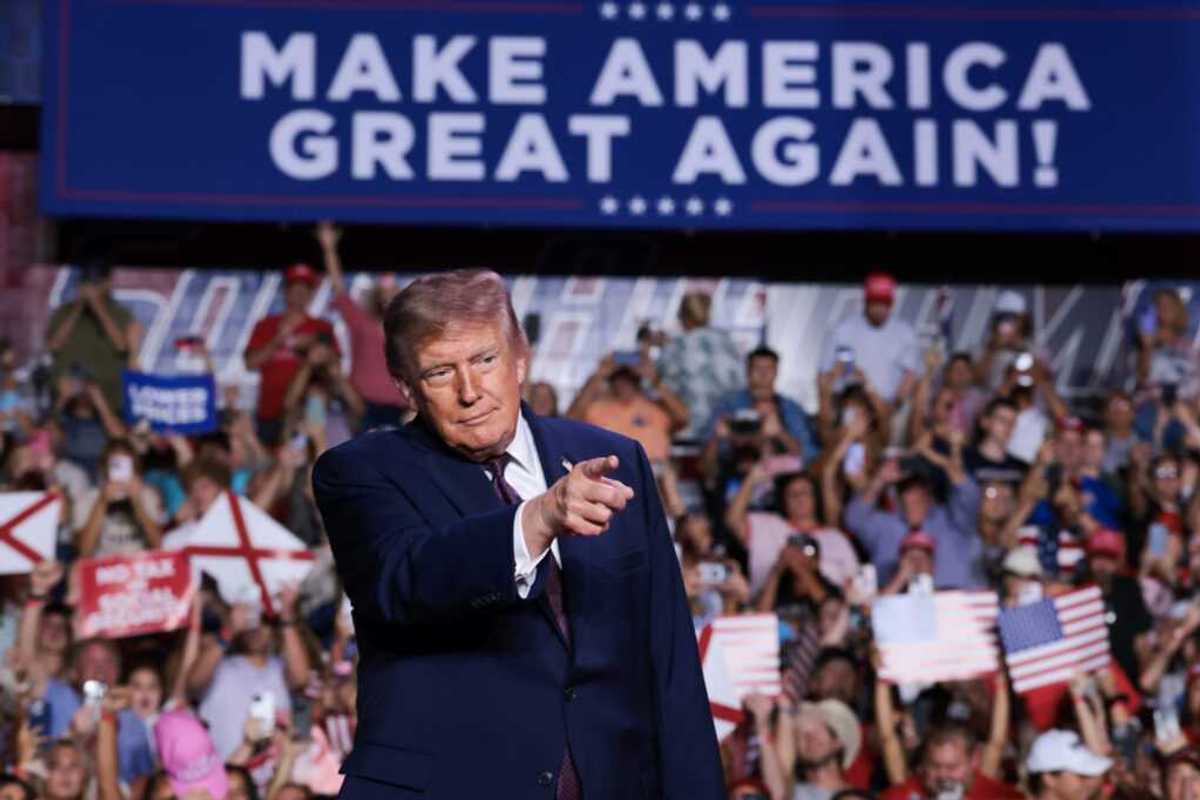
Since becoming law in response to President Richard Nixon’s secret bombing campaign aimed at North Vietnamese supply routes in Cambodia, the War Powers Resolution has been applied several times with varying levels of compliance from sitting presidents. Following the Mayagüez Incident (1975), President Gerald Ford abided by the Resolution with his submitting a report to Congress, while President George H.W Bush launched Operation Desert Storm in 1991 only after Congress passed the Iraq Resolution. Both the Clinton administration and the Obama administration violated the Resolution, letting U.S involvement in The Kosovo Conflict (1999) and The Libya Intervention (2011) continue past 60 days without congressional approval. Most recently, members of Congress have sought to invoke the War Powers Resolution following President Donald J. Trump’s decision to approve U.S. air strikes on Iran’s nuclear facilities in June of last year and U.S. air strikes on Venezuela in early January that preceded the arrest of Venezuelan leader Nicolás Maduro and his wife. Both measures to pass resolutions curtailing President Trump’s power failed to receive majority support in the House and the Senate.
What’s Happening in Iran?
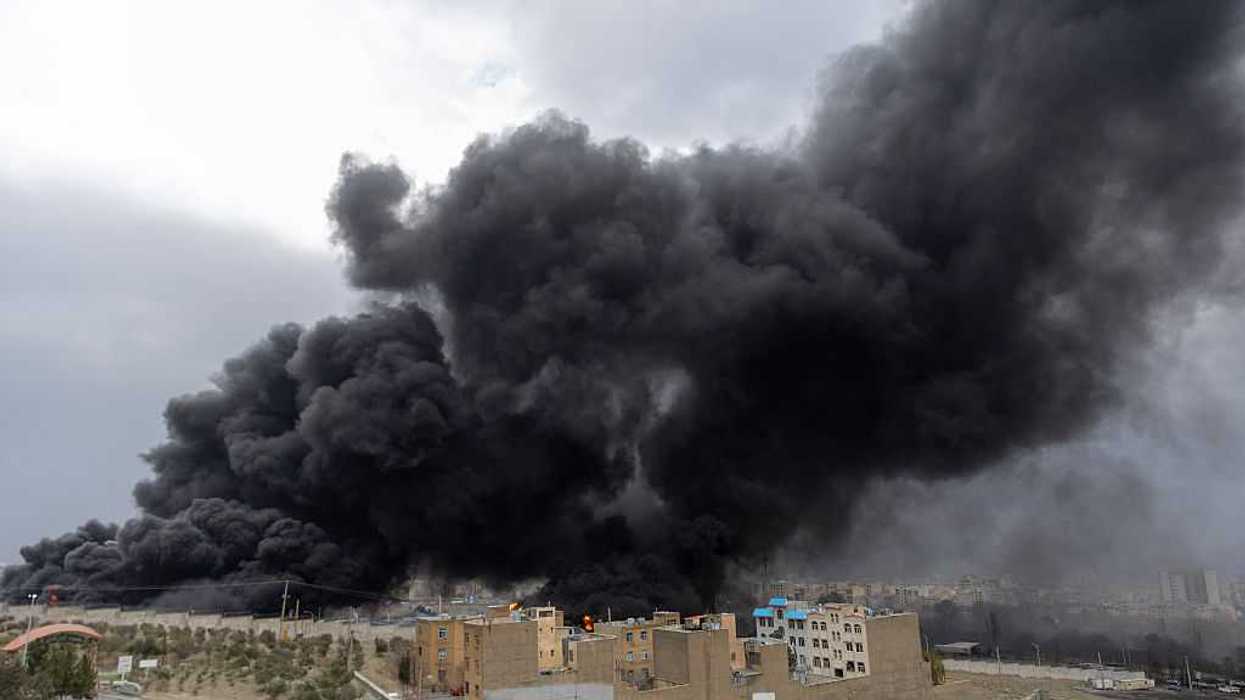
On February 28th, the U.S. and Israel launched air attacks on Iran in what President Trump deemed as an effort to “defend the American people by eliminating imminent threats from the Iranian regime” in a Truth Social post. With the strikes killing Iran’s supreme leader Ayatollah Ali Khamenei, Iran pledged a severe response, going on to fire drones and missiles at Gulf countries with American military bases like Bahrain, Oman, Qatar, Saudi Arabia, and the United Arab Emirates. The ongoing conflict, which the White House now calls Operation Epic Fury, has seen the deaths of 7 American service members and more than 1,000 people in Iran and the cancellations of more than 20,000 flights that were supposed to fly to or from the Middle East.
Why Did Lawmakers Want to Force a Vote?
After the U.S.-Iran conflict began, members of Congress vowed to force a vote on war powers resolutions that would prevent President Trump from taking further action in Iran without congressional approval. And although members of Congress were briefed by top national security advisors three days after the initial attack, some lawmakers remained concerned about the lack of an exit strategy and pushed for a vote. In the Senate, the war powers measure failed in a 47-53 vote, and in the House, by a 212-219 vote.
Who Supported the Vote?
Prior to failing in both the House and the Senate, lawmakers from both political parties had spoken out in favor of passing a war powers resolution, with some lawmakers calling the U.S.-led attacks on Iran “illegal and unconstitutional.” Senator Chris Murphy (D-CT) asserted that it was the president’s obligation under the Constitution to ask Congress for permission to use military force. House Minority Leader Hakeem Jeffries (D-NY) affirmed that the Iran situation lacked the “exigent circumstances” that would have allowed the president to act without congressional approval. Across the aisle, House Representative Thomas Massie (R-KY) tweeted that the U.S.-Iran War was not in-line with Trump’s “America First” agenda as he joined Representative Ro Khanna (D-CA) in forcing a vote in the House.
Who Opposed the Vote?
Prominent lawmakers like House Speaker Mike Johnson (R-LA) opposed a vote on a war powers resolution, stating that President Trump was within his Article II, Section II constitutional powers as commander-in-chief to direct the military to carry out the attack. Senator Lindsay Graham (R-SC) also opposed the vote and argued that President Trump’s actions were meant to “settle the account with the Iranian regime.” In addition, Senator John Curtis (R-Utah) believed a war powers resolution would stop the president from being able to “cut off a threat before it becomes imminent.” One of the only Democratic voices to oppose the vote was Senator John Fetterman (D-PA), who supported the president’s actions as a matter of global security.
What Are the Future Implications?
With both the House and the Senate failing to pass a war powers resolution that would have reinstated Congress’s power to declare war, the U.S.-Iran War is expected to continue, with President Trump projecting that the conflict could last four-to-five weeks.
Already, the impacts of the war have been felt worldwide, as QatarEnergy has halted production of liquefied natural gas (LNG) after being targeted by Iranian missiles which has caused European natural gas prices to surge by 40%. In the United States, gas prices jumped by 11 cents overnight, the largest one-day increase since 2022.
If Congress decides to revisit the War Powers Resolution amid the U.S.-Iran War and rein in President Trump’s military power, it is likely that President Trump would veto a bipartisan resolution, thus forcing Congress to accrue the two-thirds votes in the House and the Senate necessary to override it. The War Powers Resolution could also be challenged in court. While the Supreme Court has historically declined to rule on the constitutionality of the War Powers Resolution, its enforceability remains on uncertain legal ground.
Unpacking War Powers in the U.S.-Iran Conflict: Who Decides When America Goes to War? was first published on The Alliance for Citizen Engagement and was republished with permission.
Stephanie Peterson is a senior at Purdue University Northwest.