



If the only tool you have is a hammer, then everything looks like a nail.
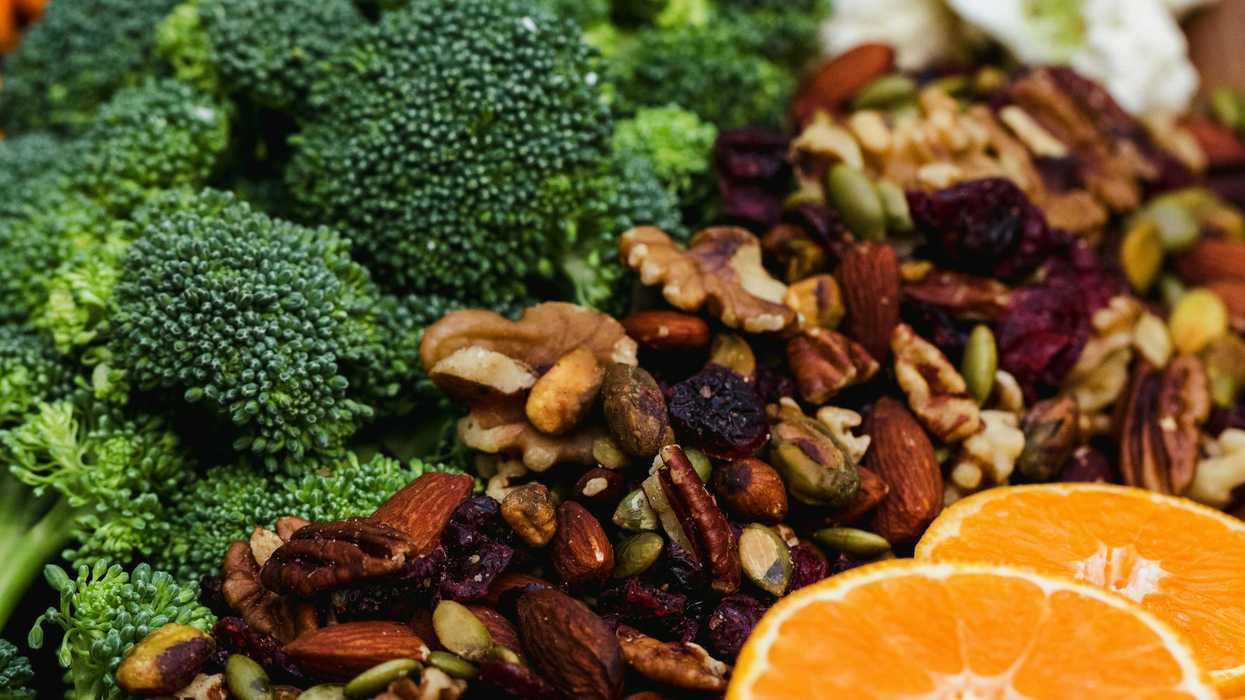
In the field of healthcare, and specifically regarding food’s influence on wellness, physicians in this country are highly trained and have many tools at their disposal to share with patients. However, they are not immune to the overarching cultural conditions that value convenience and speed over time and quality.
The huge promise of the Food Is Medicine movement in this country and internationally is to improve health and health outcomes in deep and meaningful ways. But we won’t get there unless there is a focus on changing the behavior of large health care institutions, on training doctors in those institutions, and on training new physicians.
A 2023 study on reveals that the movement emerged in response to the ongoing, costly issue of poor health outcomes caused by inadequate nutrition, which strains our healthcare systems. This has prompted large health systems in over a dozen states, including Colorado, Illinois, and New Mexico, to adopt Food Is Medicine models. Beyond the state level, the Rockefeller Foundation also does innovative work on Food Is Medicine.
Recently, the Food is Medicine Institute at Tufts University partnered with Kaiser Permanente to publish the Food is Medicine Toolkit, an online guide for clinicians and health care providers to prioritize health equity through food- and nutrition-based interventions in patient care.
But at Tufts, the Food Is Medicine movement has deep yet largely overlooked historical roots in the Mississippi Civil Rights Movement. During the 1960s, healthcare professionals, civil rights activists, Black farmers, and rural Black communities collaborated to reimagine the relationship among race, food, health, and poverty.
Amid ineffective food stamp programs and high unemployment among Black sharecroppers and farmworkers in the state's agricultural sector, these initiatives can be traced back to 1965-1966, when the Tufts-Delta Health Center (now the Delta Health Center) in Mound Bayou, MS, was founded, becoming one of the nation’s first Federally Qualified Community Health Centers (FQHCs).
A key component of this early work was its pioneering Healthy Food Rx Program, in which doctors wrote food prescriptions and stocked the pharmacy with food to address high rates of food insecurity and diet-related illnesses, in collaboration with poor rural Black communities.
Led by a dynamic network of healthcare professionals, community leaders, and civil rights activists, including Tufts faculty members and activists Dr. H. Jack Geiger and Dr. John Hatch, and local civil rights activist Dr. L. C. Dorsey, the Tufts Delta Health Center demonstrated the power of food as medicine through the Food Rx program, laying the groundwork for today’s movement.
Federal funding from the Office of Economic Opportunity (OEO), the funding mechanism of President Lyndon B. Johnson's "War on Poverty” which was launched in 1964, provided the initial support for the center’s Healthy Food Rx Program.
But the center’s staff soon discovered that the Food Rx program was merely a first step in addressing food issues in the communities, as it could not provide consistent access to food without a steady supply of healthy, natural foods. They teamed up with Black farmers and former sharecroppers to create the North Bolivar County Farm Cooperative.
Led by Dorsey, the cooperative was founded in 1967 as an independent partner of the health center. This partnership enabled center personnel and external partners, such as the Mississippi State Extension Service, to work with Black farmers and rural Black communities to develop a farm plan that emphasized culturally grounded nutrition education and the production of familiar foods on more than 600 acres, supporting optimal health outcomes.
For nearly five years, the health center and cooperative worked together, but staff changes and funding issues led the program to cease and evolve into traditional healthcare models at the health center.
The evolution and history of the work all reflect the time and context they were in. In Marion Nestle’s 2013 book, Food Politics: How The Food Industry Influences Nutrition and Health, she describes the problems and solutions at the time. At the time the main problem was a deficiency or lack of calories. Increasing calories and the food fortification programs have essentially eliminated rickets, goiter, and pellagra in the United States.
Today, the Food is Medicine movement is reshaping the changing landscape of health and the soaring costs of medical care. Patients with chronic diseases, like heart disease and stroke are more expensive and with more people having chronic diseases, health care organizations must control costs.
But what these initiatives lack and what all Food Is Medicine work lacks is a focus on deep cultural behavior change strategies. A focus on changing the culture that prioritizes quick convenient foods over slower healthier foods. Or a culture that doesn’t teach physicians about nutrition during medical school.
The emerging tools of the Food Is Medicine world are fantastic but there is an urgent need to continue to demand more action, access and resources for even wider results – to keep the movement moving forward.
Daylan Dufelmeier, Ph.D., is the director of the SNAP-Ed program at University of Illinois Chicago, Interim Senior director of the Office of Community Engagement and Neighborhood Health Partnerships at UI Health and a Public Voices Fellow with The OpEd Project.
Bobby J. Smith II is an associate professor of African American studies at the University of Illinois—Urbana-Champaign, author of the James Beard Award-nominated book Food Power Politics, and a Public Voices Fellow through The OpEd Project.
 Photo by