Skip to content
Search

Latest Stories

Follow Us:
Top Stories

What is an American hero?

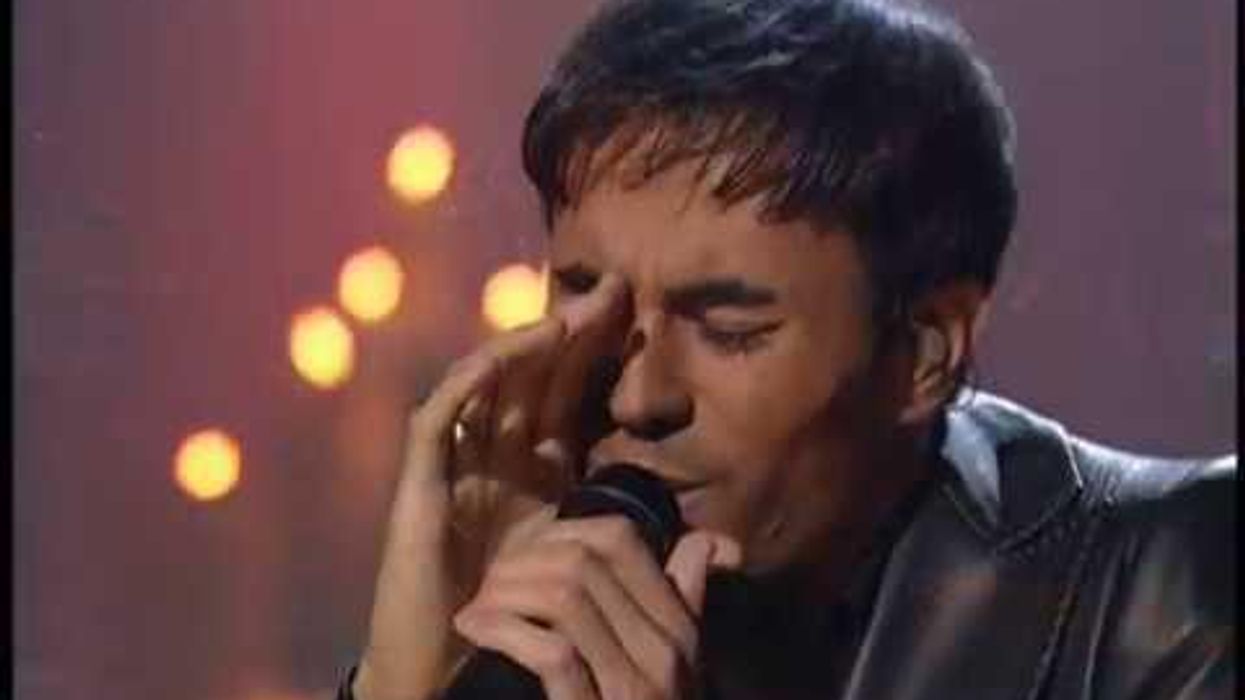
Enrique Iglesias performs "Hero" 10 days after 9/11.

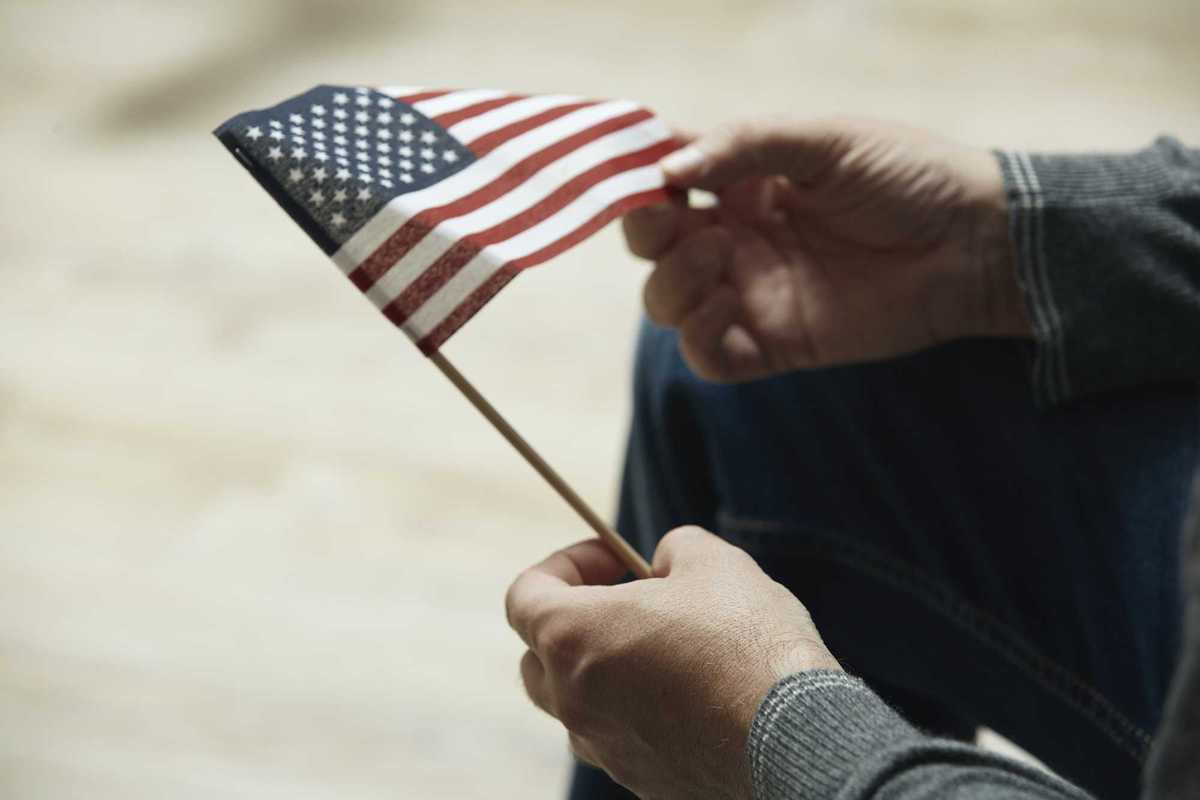
What is an American hero? Sometimes American heroes are famous. However, as we well know, all famous people are not heroes.

As we honor the 20th anniversary of 9/11, let us celebrate American heroes whose names we may not know, including the first responder, victim, family and citizen.


September 11 is forever etched in the souls of those of us who witnessed the event.

Ten days after 9/11, Enrique Iglesias performed 'Hero' for the 'America: A Tribute to Heroes' telecast. It is a profoundly moving rendition of a beautiful song, and you can watch his performance at the top of this post.

The Fulcrum will be exploring American heroes in greater depth in the coming months. Who is your American hero? What does the term American hero mean to you? What are the characteristics of a hero that you admire and aspire to? We would love to hear from you. Please feel free to share your thoughts via email at newsroom@fulcrum.us.
Read More

Two Myths Fuel the Trump Administration’s Anti-Immigrant Scapegoating

Statue of Liberty with hand holding barbed-wire

Two Myths Fuel the Trump Administration’s Anti-Immigrant Scapegoating

On December 9th, US Homeland Security Advisor Stephen Miller went on another xenophobic rant. He claimed that, “If Somalians cannot make Somalia successful, why would we think that the track will be any different in the United States? […] If Libya keeps failing, if the Central African Republic keeps failing, if Somalia keeps failing, right? If these societies all over the world continue to fail, you have to ask yourself, if you bring those societies into our country, and then give them unlimited free welfare, what do we think is going to happen?”

Like so many in the Trump administration, Miller blames America’s failures on immigrants. Why is our educational system faltering? Immigrants. Miller claims that, “If you subtract immigration out of test scores, all of a sudden scores skyrocket!”

Keep ReadingShow less
Battling Gentrification by Showcasing the Windy City’s Rich Puerto Rican Roots

Fluttering Puerto Rican flag marking the entrance to the Paseo (Stroll) Boricua at Humboldt Park.

Photo by Jesús J. Montero for palabra

Battling Gentrification by Showcasing the Windy City’s Rich Puerto Rican Roots

Known for its eclectic charm as an urban oasis and cultural vibrancy, Humboldt Park in Chicago is home to numerous ethnic restaurants, cultural centers, and art galleries. It's no wonder many flock here. As in other big cities across the country, the Windy City has for many years experienced the harmful impact of gentrification. While geographic location varies, the recipe remains identical: while developers purchase/remodel properties seeking skyrocketing rents, longtime residents are continuously displaced. Those negatively impacted are also usually the same: working-class Black and Brown communities.

But one creative entrepreneur is determined to keep the essence of his neighborhood alive and thriving. For over a decade, poet, gallerist, professional tour guide, and Chicago native Eduardo Arocho has been enthusiastically sharing with visitors and locals alike his unconditional love and commitment to his rich Puerto Rican roots. As owner and founder of Paseo Boricua Tour Company, his is more than a "stop-and-drop-names" excursion. Part of Paseo Boricua - the economic, political, and cultural capital of Chicago’s Puerto Rican community - the tour is a culturally immersive experience where participants get to feel the warmth and sabor (flavor) of Arocho and his friendly people - even having the option of adding lunch reservations to support one of the local restaurants featuring Puerto Rican cuisine.

Keep ReadingShow less
Two people with two books, open in front of them.

At Expand Democracy, scholarship is a democratic tool. How research on elections, representation, and governance shapes reform.

Getty Images, Pichsakul Promrungsee

Why Academic Work Matters for a Movement

When I began publishing research on elections and representation, I always imagined the audience as primarily academic - political scientists, methodologists, perhaps a few practitioners who hunt for new data. But as my work with Expand Democracy deepens, I find myself reflecting on how scholarship shapes the public conversation and why academic writing is not necessarily a detour from democracy but can be a foundation for it.

This essay reflects on that specific interaction: how academic work contributes to our understanding of democratic institutions, why it remains essential for reform movements, and how my own research aligns with Expand Democracy’s evolving mission.

Keep ReadingShow less
child holding smartphone

As Australia bans social media for kids under 16, U.S. parents face a harder truth: online safety isn’t an individual choice; it’s a collective responsibility.

Getty Images/Keiko Iwabuchi

Parents Must Quit Infighting to Keep Kids Safe Online

Last week, Australia’s social media ban for children under age 16 officially took effect. It remains to be seen how this law will shape families' behavior; however, it’s at least a stand against the tech takeover of childhood. Here in the U.S., however, we're in a different boat — a consensus on what's best for kids feels much harder to come by among both lawmakers and parents.

In order to make true progress on this issue, we must resist the fallacy of parental individualism – that what you choose for your own child is up to you alone. That it’s a personal, or family, decision to allow smartphones, or certain apps, or social media. But it’s not a personal decision. The choice you make for your family and your kids affects them and their friends, their friends' siblings, their classmates, and so on. If there is no general consensus around parenting decisions when it comes to tech, all kids are affected.

Keep ReadingShow less