



Skip to content
Search

Latest Stories

Follow Us:
Top Stories

Video: Problem solvers caucus

Across Talk Ep. 7: Problem Solvers Caucus
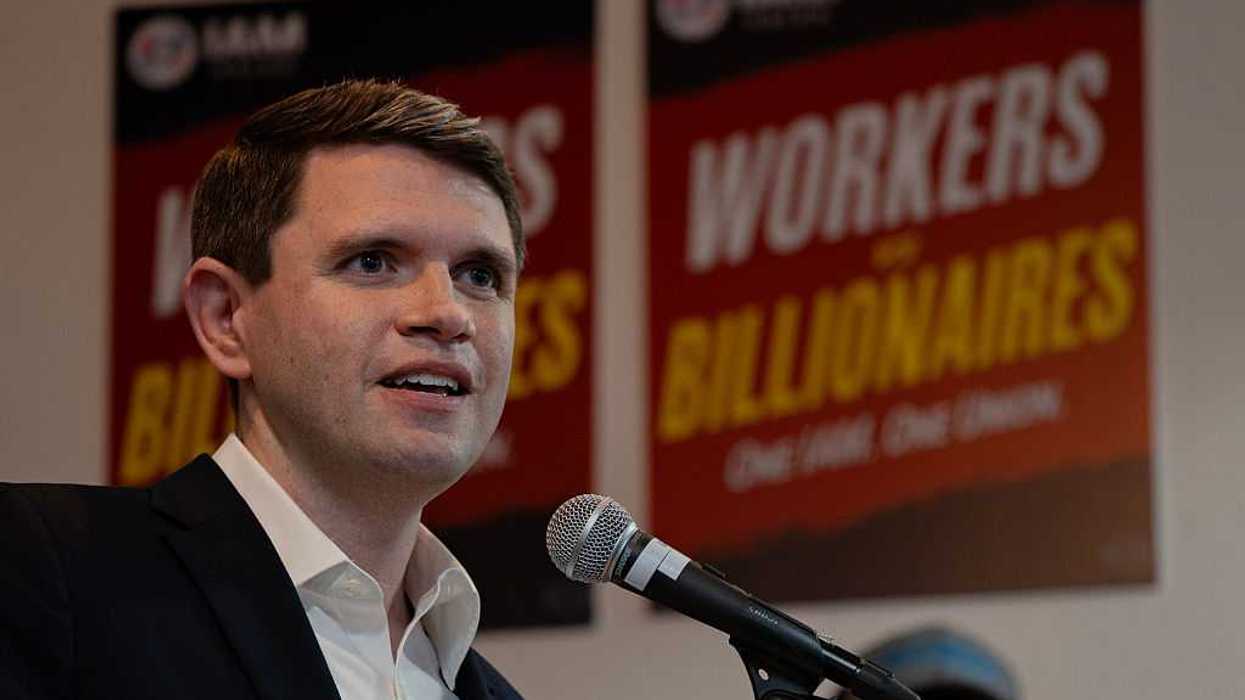
Across Talk is a new monthly video series from Renew America Together. In this episode, Lincoln Zaleski, a disinformation specialist at Renew America Together, chats with Jaclyn O'Day, Executive Director of the Problem Solvers Caucus in the U.S. House of Representatives. Beginning in 2017, the Problem Solvers Caucus became an independent member-driven group in Congress, comprised of representatives equally divided between Democrats and Republicans committed to finding common ground on many key issues.


Read More

Confirmation on Easy Mode: Sen. Mullin’s nomination to lead DHS

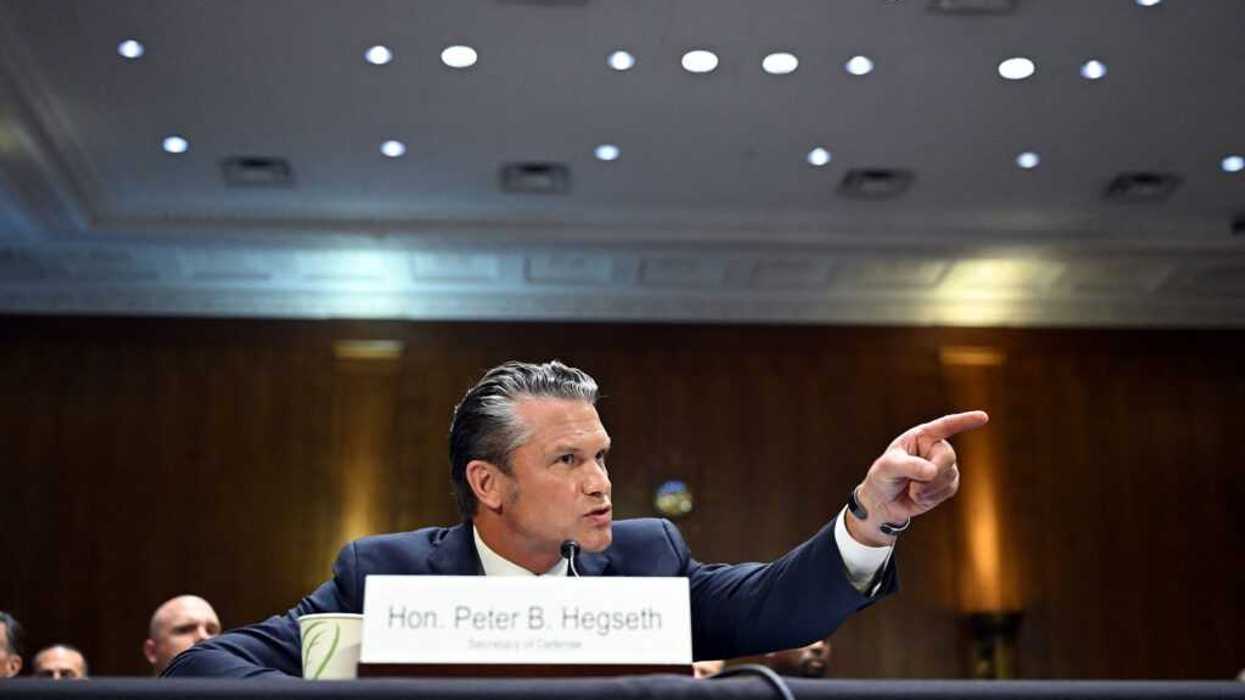
U.S. Sen. Markwayne Mullin (R-OK) testifies during his confirmation hearing to be the next Secretary of the Department of Homeland Security in the Dirksen Senate Office Building on Capitol Hill on March 18, 2026 in Washington, DC.

(Photo by Chip Somodevilla/Getty Images)

Confirmation on Easy Mode: Sen. Mullin’s nomination to lead DHS

Since arriving in Congress in 2013 Sen. Markwayne Mullin has been known for disappearing for a few weeks to Afghanistan in a putative effort to rescue Americans still there after withdrawal and tried to draw the president of the Teamsters into a fight during a hearing. Ironically, or possibly appropriately, Sean O’Brien, that same president of the Teamsters, endorsed Mullin’s nomination. He has written several laws supporting Native American communities and pediatric cancer research. A Trump loyalist, on January 6, 2021 in the hours after the riot at the Capitol, Mullin voted to change the outcome of the 2020 presidential election by omitting Arizona and Pennsylvania’s votes for Joe Biden.

His work experience prior to his political career was primarily in running his family’s plumbing business after his father became ill. He spent four months as a mixed martial arts fighter with a record of three wins. (He’s also gotten a lot richer while in Congress.)

Keep ReadingShow less
Two people signing papers.

A deep dive into the growing uncertainty in the U.S. legal immigration system, exploring policy shifts, backlogs, and how procedural instability is reshaping the promise of lawful immigration.

Getty Images, Halfpoint Images

When Immigration Rules Keep Changing, the System Stops Working

For generations, the United States has framed legal immigration as a kind of social contract. Since 1965, when the Immigration and Nationality Act ended the national-origin quota system, the U.S. has formally opened legal immigration to people from around the world without racial or national-origin preferences. If people from across the globe sought to reunite with family or bring needed skills to the American economy, they were told they would be welcomed. If they sought U.S. citizenship, the country would provide a clear route to reach it.

Follow the procedures, submit the forms, pay the fees, pass the background checks, and your time will come. Legal immigration has never been easy or quick. But the promise has always been that the path exists.

Keep ReadingShow less
A New Norm of DHS Shutdown & Long Airport Lines

Travelers wait in a TSA Pre security line at Miami International Airport on March 17, 2026, in Miami, Florida. Travelers across the country are enduring long airport security lines as a partial federal government shutdown affects the Transportation Security Administration officers working the security lines.

(Joe Raedle/Getty Images/TCA)

A New Norm of DHS Shutdown & Long Airport Lines

If you’ve ever traveled to France, chances are you’ve come up against this all-too-common phenomenon. You get to the train station and, without warning, your train is out of service. Or a restaurant is oddly closed during regular business hours.

“C’est la grève,” you may hear from a local, accompanied by a shrug. It’s the strike.

Keep ReadingShow less
Constitutional Barriers to Nationalizing Elections
US Capitol
US Capitol

Constitutional Barriers to Nationalizing Elections

In the run-up to the midterms, President Trump continues to call for nationalizing congressional elections. He has sought to initiate the process through executive orders, such as one proposing to set “a ballot receipt deadline of Election Day for all methods of voting.” The words and spirit of the United States Constitution—the bedrock textualism and originalism of conservative constitutional interpretation—say he can’t nationalize elections.

Unlike some consequential constitutional questions, it’s not a close call.

Keep ReadingShow less