
Skip to content
Search

Latest Stories

Follow Us:
Top Stories

The U.S. has become more segregated. That could make gerrymandering worse.

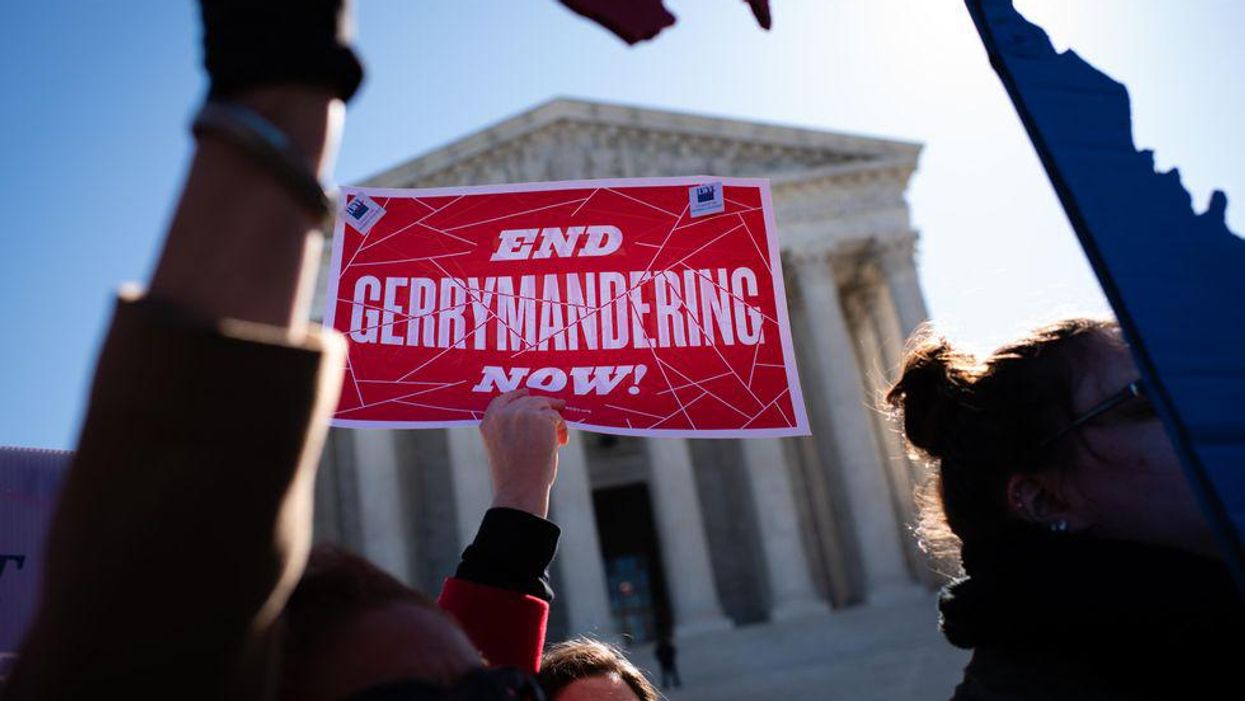
Anti-gerrymandering rally

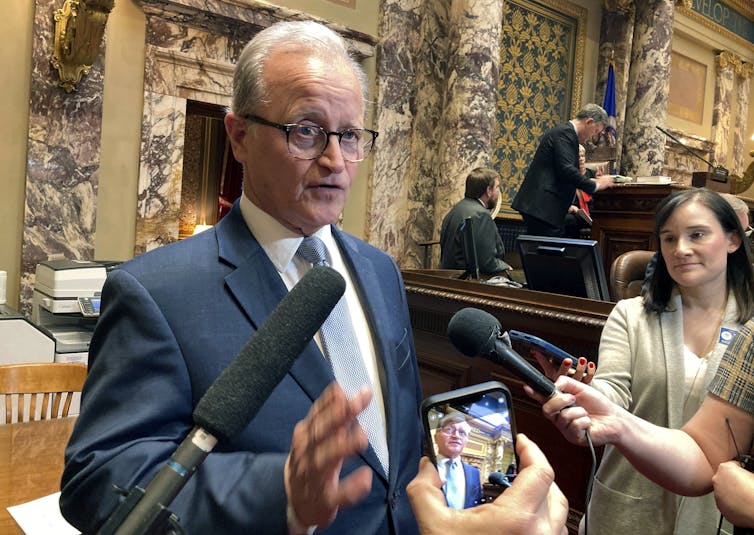
This round of gerrymandering could be worse due to increases in racial segregation in many metro areas, a recent study found.

Sarah L. Voisin/Getty Images

As American politics has become more divisive over the past few decades, the country has also become more racially segregated.

More than 80 percent of the large metropolitan areas in the United States were more segregated in 2019 than they were in 1990, according to a new study by the University of California at Berkeley's Othering & Belonging Institute. Released last week, "The Roots of Structural Racism: Twenty-First Century Racial Residential Segregation in the United States" found that this increased segregation has contributed to poorer life outcomes, especially for people of color.

Areas with more racial segregation also had higher levels of political polarization, the study found. These divisions could play a huge role in how severe this round of gerrymandering is as states will soon redraw election maps for the new decade.


The Othering & Belonging Institute's study refutes the prevailing perception that the United States has become more integrated since the civil rights era. While metropolitan areas overall have become more diverse over the years, the neighborhoods within them are now highly segregated.

This racial residential segregation, the study found, will likely make it easier for politicians to use gerrymandering techniques like "packing" and "cracking" to draw election districts to their party's advantage.

The Voting Rights Act of 1965 made it illegal for states to draw maps in ways that dilute the voting power of protected minority communities. And in 2019, the Supreme Court ruled that the constitutionality of partisan gerrymandering was an issue best litigated in state courts.

While racial gerrymandering remains unconstitutional, it can still occur when it becomes conflated with partisan gerrymandering, said Stephen Menendian, the study's lead researcher of the study and assistant director of the institute.

"Regions and states that have a lot of racial residential segregation make it much easier for state legislatures to draw boundaries in ways that are ostensibly political gerrymanders but actually racial gerrymanders," he said.

For instance, Menendian said, the state legislators in charge of mapmaking can make assumptions about which political party will draw voters from people of certain races, and then draw district lines accordingly.

Severe partisan gerrymandering leads to a disparity in political representation. One party may receive a majority of the votes in an election, but end up as the minority in the state legislature or Congress because of map manipulation. And this issue has only become more acute with modern technology.

"In 1890 you didn't have a computer that allowed you to generate literally thousands of scenarios in a minute, and then select the most fine point scenario that allowed you to maximize your political advantage," Menendian said. "It's basically politicians selecting voters, rather than the other way around."

Gerrymandering has larger implications on policies, including those related to ballot access, that are enacted at the state and federal levels. To make the mapmaking process more fair and representative, some states have adopted independent or hybrid commissions. However, politicians still have control over a majority of the state legislative and congressional maps.


Read More

Voters lining up to vote.

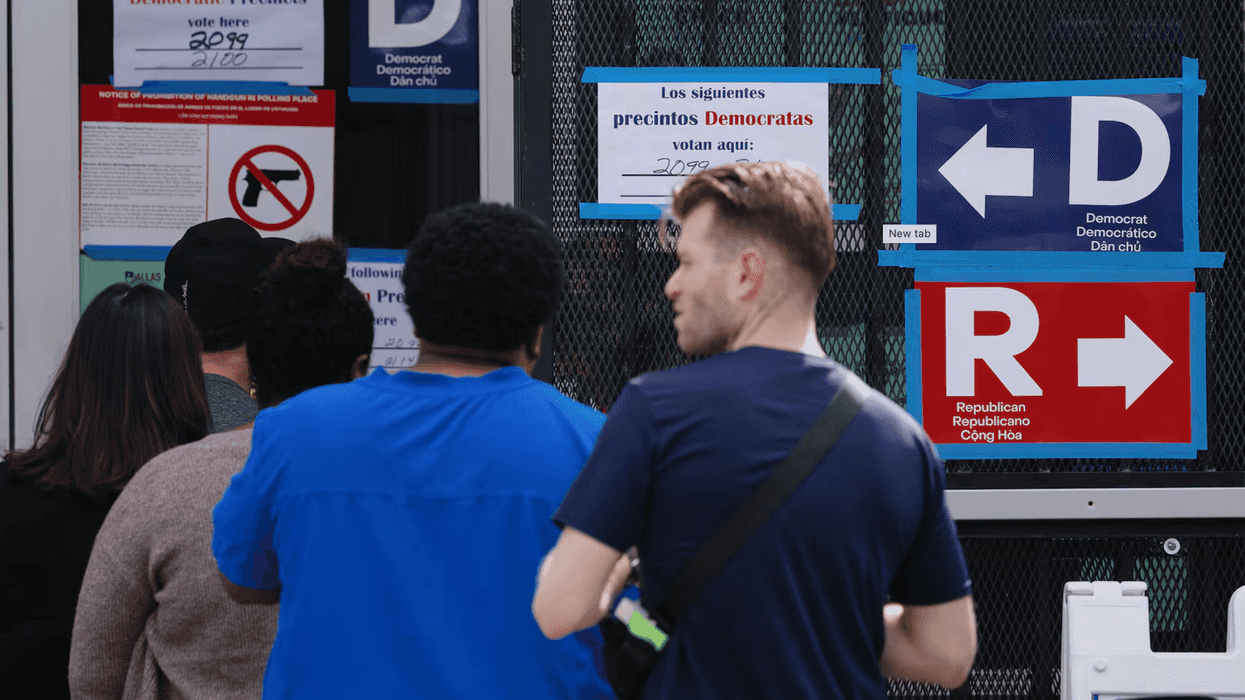
Voters line up at the Oak Lawn Branch Library voting center on Primary Election Day in Dallas on March 3, 2026. Republicans' decision to hold a split primary from the Democrats and to eliminate countywide voting forced Dallas County voters to cast ballots at assigned neighborhood precincts, leading to confusion. Republicans have now decided to use countywide polling locations for the May 26 runoff election.

Shelby Tauber for The Texas Tribune

Dallas County GOP Will Agree To Use Countywide Voting Sites for May 26 Runoff Election

Dallas County Republicans will agree to allow voters to cast ballots at countywide voting sites for the May 26 runoff election after a switch to precinct-based voting sites caused chaos, the county party chair said Tuesday.

Dallas County Republican Chairman Allen West supported the use of precinct-based sites earlier this month, but said using precincts again for the runoff would expose the county party to “increased risk and voter confusion” because the county is planning to use countywide sites for upcoming municipal elections and early voting.

Keep ReadingShow less
People at voting booths.

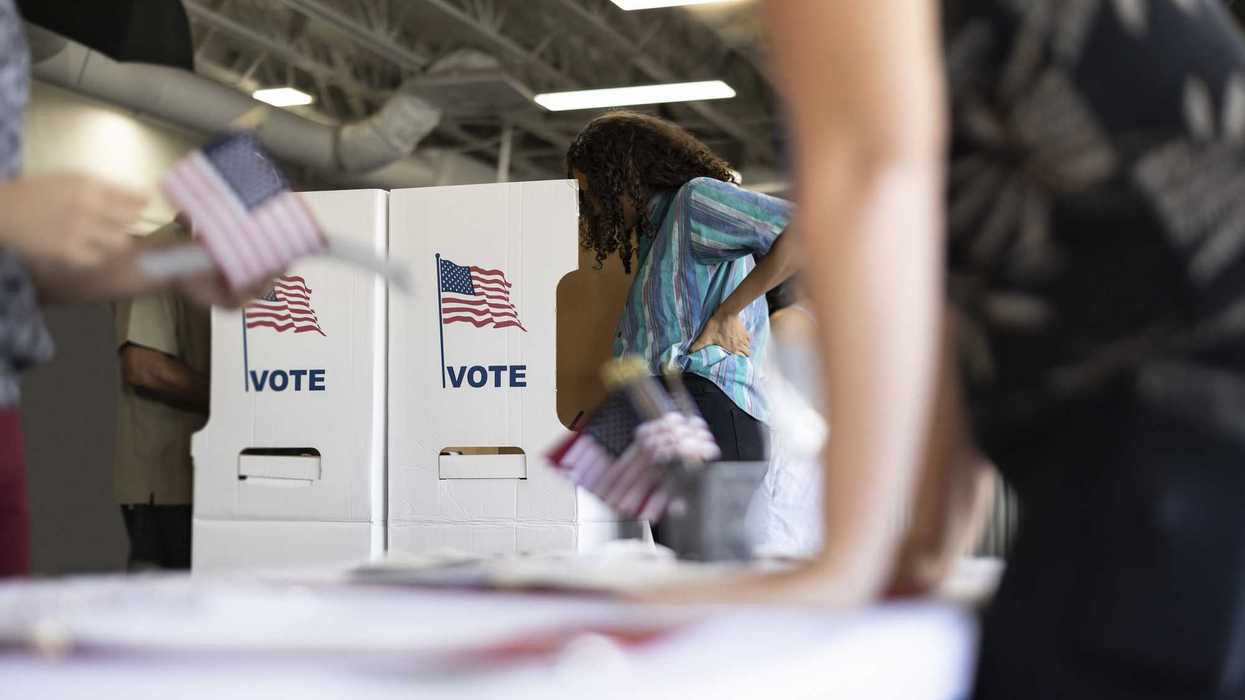
A clear breakdown of voter ID laws under the Constitution, federal statutes, and court rulings—plus analysis of new Trump administration proposals to impose nationwide voter identification requirements.

Getty Images, LPETTET

Just the Facts: Voter ID, States’ Powers, and Federal Limits

The Fulcrum approaches news stories with an open mind and skepticism, presenting our readers with a broad spectrum of viewpoints through diligent research and critical thinking. As best we can, remove personal bias from our reporting and seek a variety of perspectives in both our news gathering and selection of opinion pieces. However, before our readers can analyze varying viewpoints, they must have the facts.


Few issues generate more heat and are less understood than voter ID.

Keep ReadingShow less
A person signing a piece of paper with other people around them.

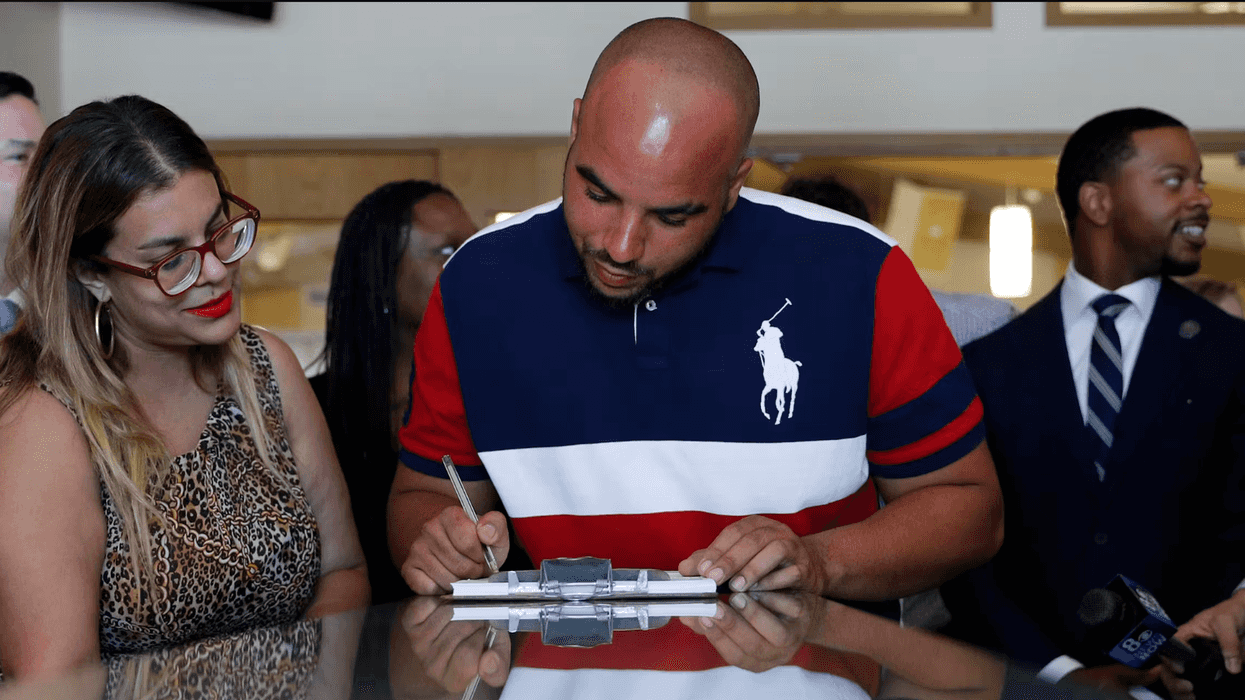
Javon Jackson, center, was able to register to vote following passage of a 2019 Nevada law that restored voting rights to formerly incarcerated individuals.

The Nation Is Missing Millions of Voters Due to Lack of Rights for Former Felons

If you gathered every American with a prison record into one contiguous territory and admitted it to the union, you would create the 12th-largest state. It would be home to at least 7 million to 8 million people and hold a dozen votes in the Electoral College.

In a close presidential race, this hypothetical state of the formerly incarcerated could decide who wins the White House.

Keep ReadingShow less
With the focus on the voting posters, the people in the background of the photo sign up to vote.

An analysis of Trump’s SAVE Act strategy, the voter ID debate, and how Pew data is being misused—exploring election integrity, voter suppression, and the political fight shaping U.S. democracy.

Getty Images, SDI Productions

Stop Fighting Voter ID. Start Defining It.

President Trump doesn't need the SAVE America Act to pass. He only needs the debate to continue. Every minute spent arguing about voter suppression repeats the underlying premise — that noncitizen voting is a real and widespread problem — until it feels like an established fact. The question is whether Democrats will contest Republicans’ definition before the frame hardens.

Trump's claim that 88% of Americans support the bill traces to a Pew Research Center survey — a survey that found 83% support a “government-issued photo ID to vote,” not extreme vetting for proof of citizenship. That support included 95% of Republicans and 71% of Democrats, indicating genuine, broad, bipartisan support for a basic civic principle. That's worth taking seriously.

Keep ReadingShow less