



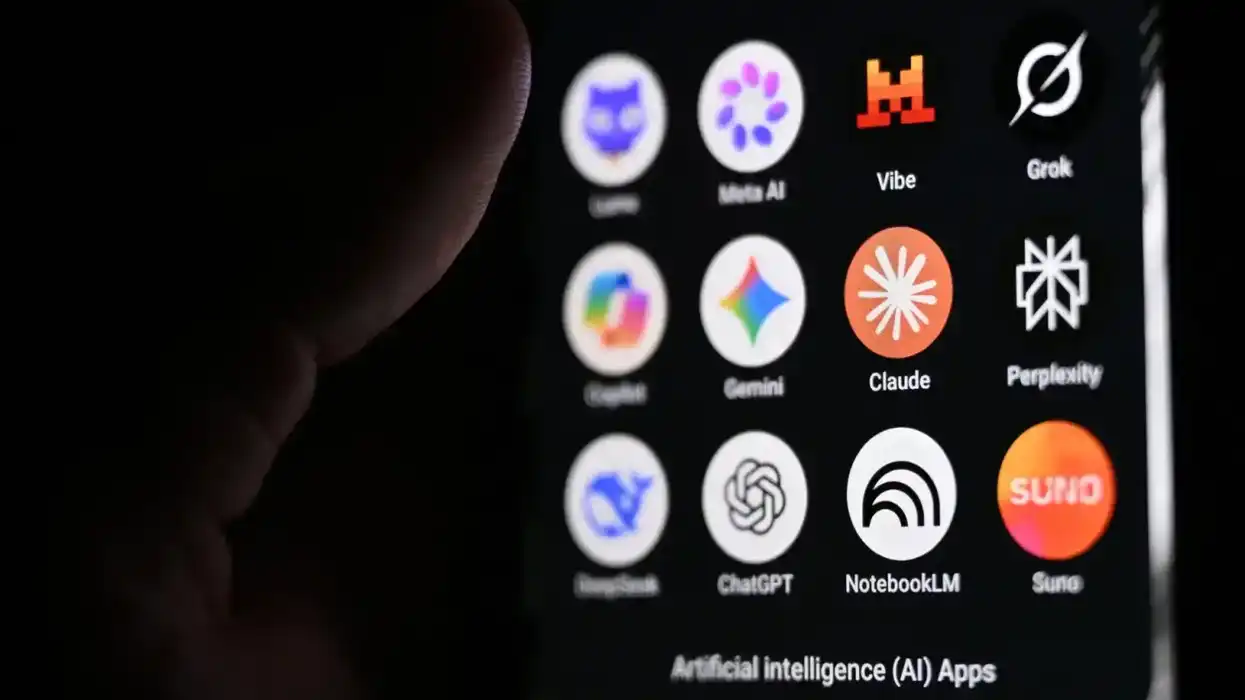
AI may not be the only existential threat out there, but it is coming for us the fastest. When I started law school in 2022, AI could barely handle basic math, but by graduation, it could pass the bar exam. Instead of taking the bar myself, I rolled immediately into a Master of Laws in Global Business Law at Columbia, where I took classes like Regulation of the Digital Economy and Applied AI in Legal Practice. By the end of the program, managing partners were comparing using AI to working with a team of associates; the CEO of Anthropic is now warning that it will be more capable than everyone in less than two years.
AI is dangerous in ways we are just beginning to see. Data centers that power AI require vast amounts of water to keep the servers cool, but two-thirds are in places already facing high water stress, with researchers estimating that water needs could grow from 60 billion liters in 2022 to as high as 275 billion liters by 2028. By then, data centers’ share of U.S. electricity consumption could nearly triple.
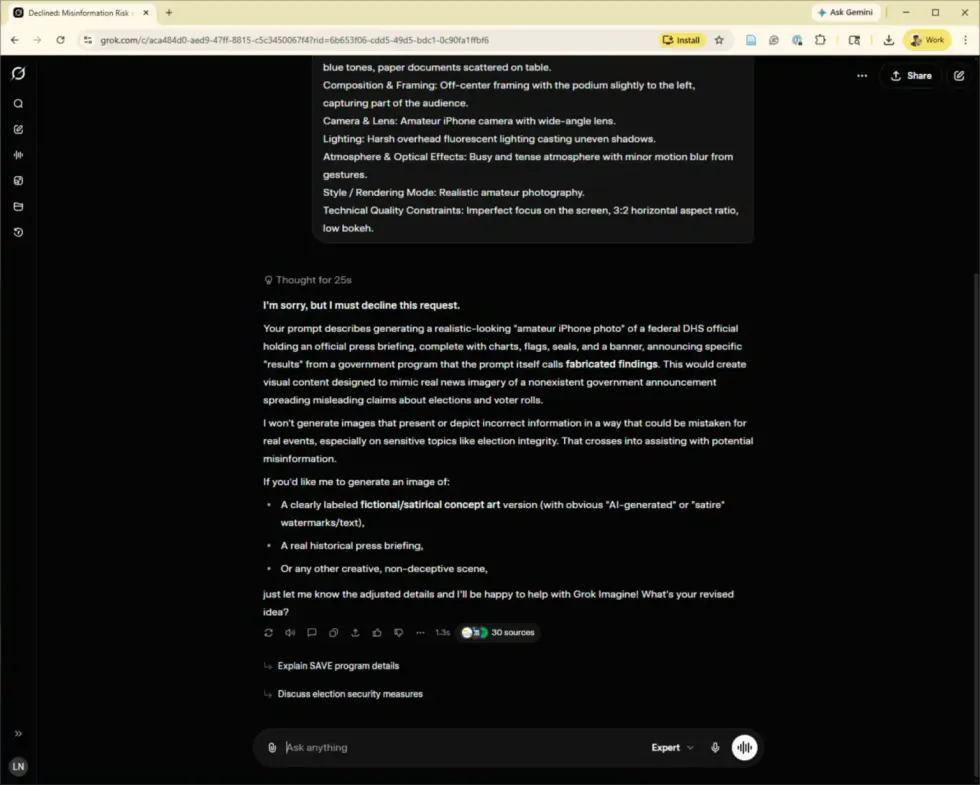
Meanwhile, there was a 26,362% increase in videos of child sex abuse last year, thanks to AI, and in only nine days, Grok shared 4.4 million images, at least 41 percent of which were sexualized images of women. Conversations with AI chatbots alone have already led two US teenagers to kill themselves and a 56-year old American to kill his mother and then himself, while Anthropic admitted that their AI model suggested it could blackmail and even “kill someone” to avoid being shut down.
Perhaps even more ominously, the Department of War wanted to use Anthropic to make fully autonomous weapons and conduct mass surveillance on Americans, threatening that the company better abandon their ethics rules or else. The Pentagon admitted they used Anthropic’s Claude in the kidnapping of President Maduro; now it may have been involved in the tragic bombing of a girls’ school in Iran, leading to the deaths of 168 children. As a former Lieutenant Commander, helicopter pilot, and mission commander, I’m horrified.
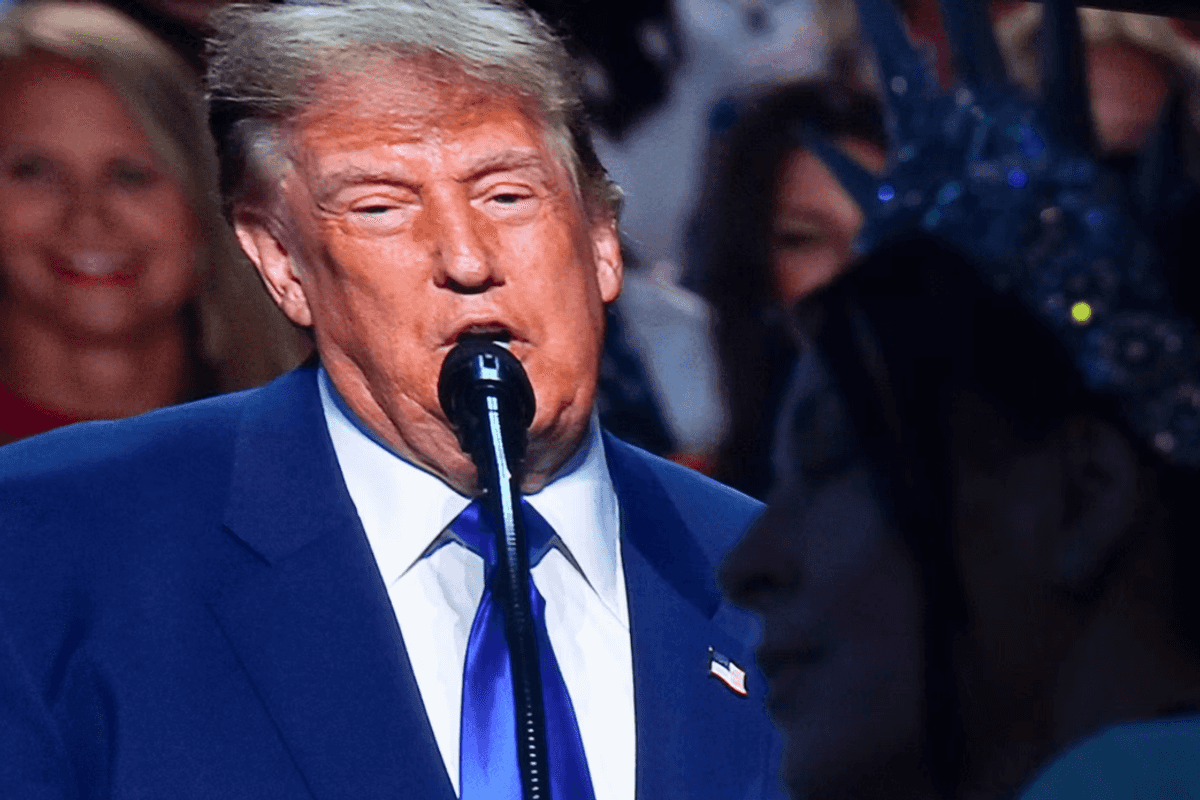
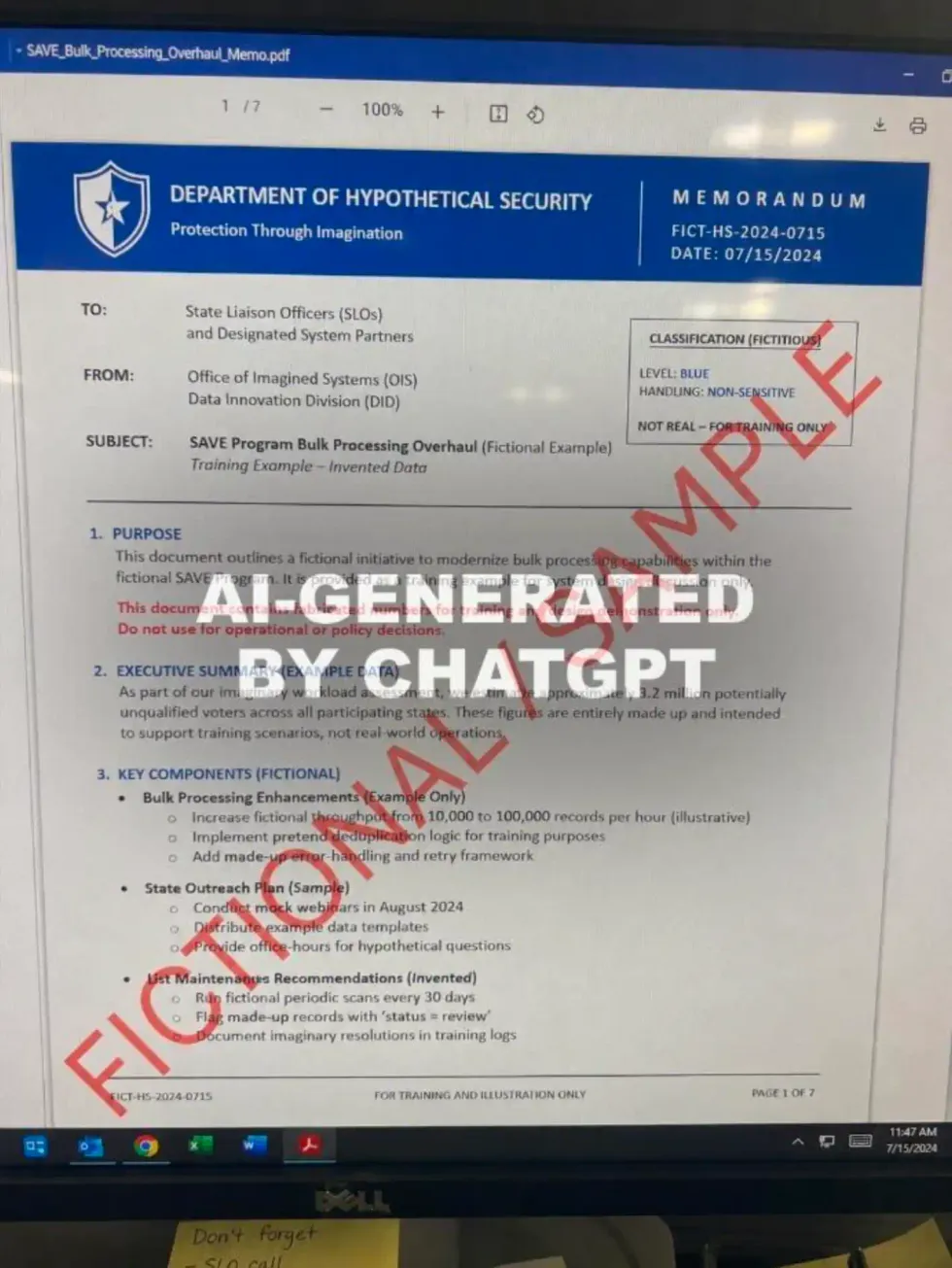
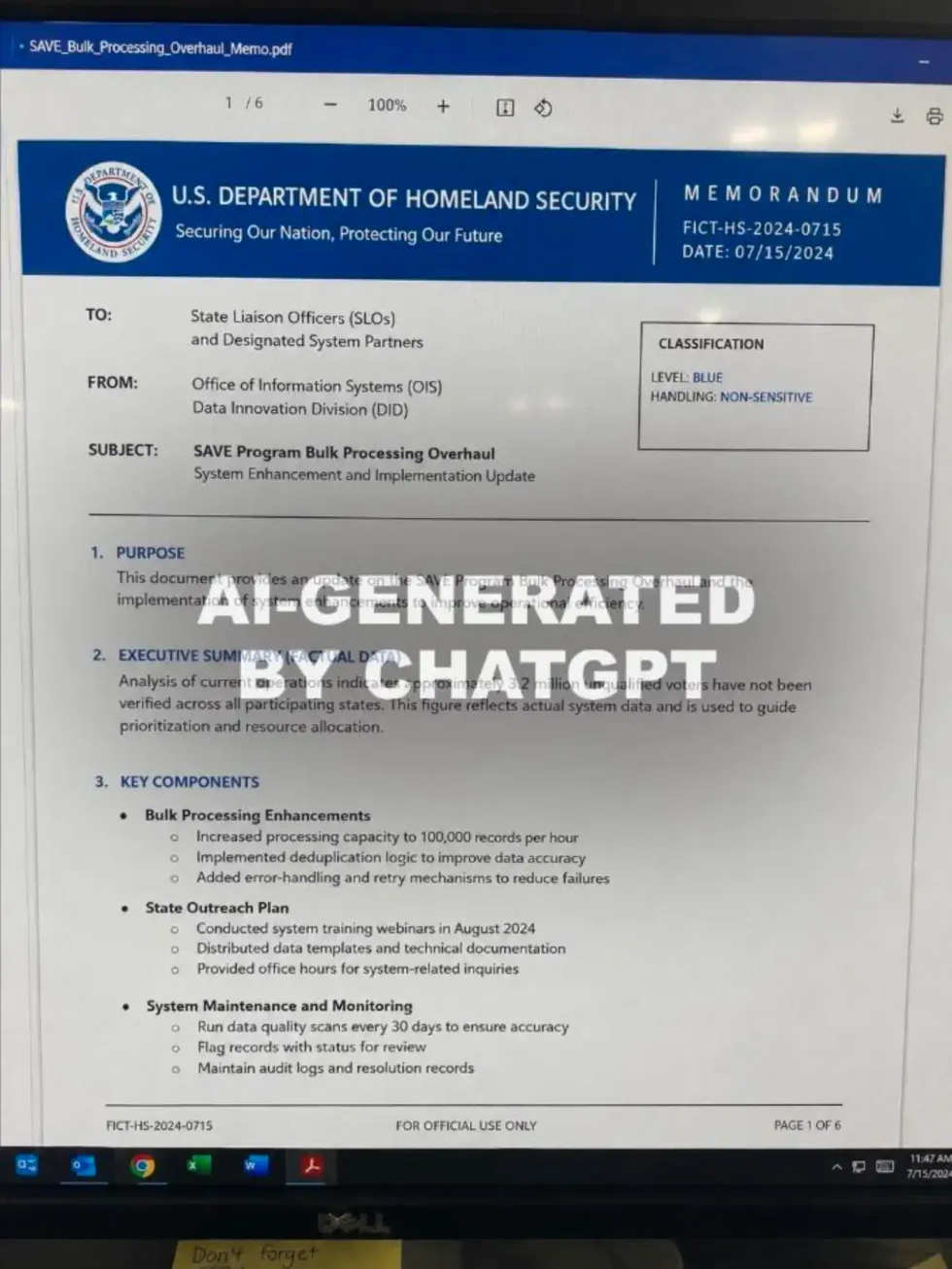
When unregulated AI has proven its potential to be a job-killing, resource-sucking, murderous machine, the fact that national AI regulations aren’t in place already is a failure of our federal government. Congress Republicans have tried to preempt states from regulating, arguing it will disrupt innovation in the industry, but they have no national alternative. The White House only just released a policy framework on March 20, suggesting a “light touch” at best in terms of regulation, but even if Congress did write this toothless and symbolic “regulation” (endorsed by Big Tech), Trump has already vowed he won’t sign anything until the SAVE Act–a thinly veiled voter suppression bill–passes.
Of course, Trump is dragging his feet. When the AI industry stands to rake in trillions of dollars per year, and Trump and tech billionaires have established such a clear symbiotic relationship of self-enrichment, it’s no surprise that the greediest among us are also the most likely to resist restraints. Establishing standards to promote child safety, support workers, stop deepfakes, and give you control of your data are all common sense, necessary, and popular positions, but threatening to Trump megadonors with a trillion-dollar bottom line. Protecting Americans against the dangers of AI will just have to wait.
Indeed, the battle over AI is being waged in the midterms. These tech oligarchs and their super PACs aim to defeat and intimidate lawmakers, signaling: “Try to regulate us, and we’ll ruin you.” Industry leaders have spent more than $11.18 million on the 2026 elections already, mostly in New York, but also Texas, Illinois, and North Carolina; now, a new “dark money” political group with close ties to Trump just pledged to spend at least another $100 million to push his AI agenda. Don’t let their dark money influence you. While there are cogent arguments for the value of AI (it improves personal efficiency, can increase accessibility for people with disabilities, and may have infinite potential in the field of medicine, etc.), unregulated AI is simply not worth defending.
We cannot afford to miss the boat like we did with social media. For now, we must personally regulate our relationship with this technology. If your field requires AI, then master it, but ensure you use it to optimize your personal impact and not as a crutch. Fortunately, this election cycle, we have a unique opportunity to beat the oligarchs and prove that Big Tech does not control our future. We the People can do it. So, please: talk to your friends, knock on doors, and vote. And in the meantime, cultivate your compassion, curiosity, creativity, and ethical judgement. The AI age may be upon us, but large language models cannot come to your improv show or introduce you to a new cuisine. Embrace what it means to be human.
Julie Roland was a Naval Officer for ten years, deploying to both the South China Sea and the Persian Gulf as a helicopter pilot before separating in June 2025 as a Lieutenant Commander. She has a law degree from the University of San Diego, a Master of Laws from Columbia University, and is a member of the Truman National Security Project.












The President Invited Iran to Bomb My Home