
During the 107 days Kamala Harris campaigned, I followed everything. I read every swing state poll, listened to podcasts on the way to school, and refreshed electoral maps late at night– even when I knew nothing had changed. After months of obsessive research, I reached a premature conclusion: I convinced myself she would win. What unsettles me most isn’t that I got it wrong; it’s that I knew better. I understood the margins, traditional polling errors, and voter turnout trends. Despite all of that, I let the illusion of certainty override my judgment.
Looking back, I think I wanted to believe that stability would win out over chaos. I pictured voters looking at how low the bar had become and choosing competence. I believed decency would be enough. What I didn’t realize then was how much comfort I found in politics, how predictable it felt. I thought that if I understood the numbers, I would feel in control.
At first, I told myself I was staying politically engaged for the right reasons, but eventually I realized that I didn’t just look at the data; I leaned on it. The numbers gave me a sense of control in a situation where I had none. I wasn’t old enough to vote. I had opinions, arguments, and margin spreadsheets, but no ballot.
Election day started with optimism. I woke up smiling, already imagining the relief I would feel that night. At school, I couldn’t focus. Every class felt slower because my mind drifted to Michigan, Wisconsin, and Pennsylvania. The Rust Belt. The math. The path to 270. Harris didn’t need a landslide; she just needed those three battleground states. The path felt narrow but possible. That possibility gave me more certainty than it should have.
That night, I watched the election results with my mom and grandma. We had planned to watch it together months in advance. We all understood the weight of the moment. We knew this election was not just about policy; it was about direction. What kind of country are we choosing to be?
When the first state calls came in, I felt calm, even optimistic. The television blared so loud that it felt like we sat in the studio ourselves, analyzing the numbers alongside the reporters. Everything was going exactly how I envisioned.
Then, Florida was called for Donald Trump. I expected Florida to go red, but the speed and margin left my heart in my throat. It didn’t just feel like a loss; it felt like a signal. The room fell completely silent. My optimism didn’t disappear all at once. It bled out slowly, one state at a time.
I kept telling myself to stay open-minded, waiting for something to shift. However, the numbers I had been following for months were telling me a clear story, and I didn’t like where it was going. For months, politics felt like numbers, like math. Now it felt like grief.
The silence only grew louder as the night went on. The television volume stayed high, but no one moved to lower it. Turning off the sound felt like accepting the reality no one was willing to face. When Pennsylvania finally flipped, I walked down the stairs to my room and crawled into bed. I started to cry. I stared at my phone as the electoral map turned bright red. I felt broken– not just because she lost, but because of the certainty I carried for months had finally shattered.
I skipped school the next day. I couldn’t bring myself to pretend everything was normal when it felt like something inside me had fractured.
In the days after, I searched for an explanation. I looked to place the blame on something, because blame felt easier than sitting in pain. If I could point to a news outlet, narrative, or strategy, maybe the outcome would feel explainable. And I thought if it were explainable, I would feel stable again.
Yet, the lingering discomfort stemmed from more than just the result. It came from me. I had mistakenly treated democracy as an equation. I assumed that, since the two candidates offered such different futures, the outcome would follow a logical path. I still cannot explain why people vote the way they do; I only know that reducing them to data points makes them easier to predict than to understand.
Soon, it finally became clear: The certainty I carried into election night never existed; it was only an illusion. It protected me from the unknown.
The harder question was what that realization required of me. Was I only interested in politics when I felt confident about the outcome? Or was I willing to stay engaged even when things didn’t work out the way I wanted?
Since that night, I haven’t stopped caring about politics. Recently, I signed up with the Marin Elections Department and requested an application for a Democracy Summer program to see how the democratic process works firsthand. I even spoke to Congressman Huffman about what civic engagement actually looks like. I am excited to sit in that elections office and watch how the system functions.
I still remember the silence in the room that night, the way everyone knew what was coming without speaking a word. That silence no longer feels like devastation. It feels like a lesson in what democracy demands. Certainty made politics feel comfortable. But comfort and civic responsibility are two different things.
The lesson I took away from that night is that democracy is not like a spectator sport watched on television; it is a living responsibility. For months, my worldview was limited by the comfort of data, treating American citizens like variables in an equation instead of people with motivations. I have realized that seeking certainty is a form of civic avoidance– a way to stay emotionally safe while remaining on the sidelines. My behavior has since shifted from refreshing maps to engaging in the mechanics of the process itself. Real civic responsibility requires the courage to step into the unknown and fight for what you believe in, to advocate for a future that no spreadsheet can guarantee.
As I prepare to cast my first vote in the midterms, I am leaving behind the illusion of certainty. I am no longer looking for a map that tells me where we are going; I am simply showing up when it matters most.
Will Greenwald is a junior at Redwood High School in Marin County, California.


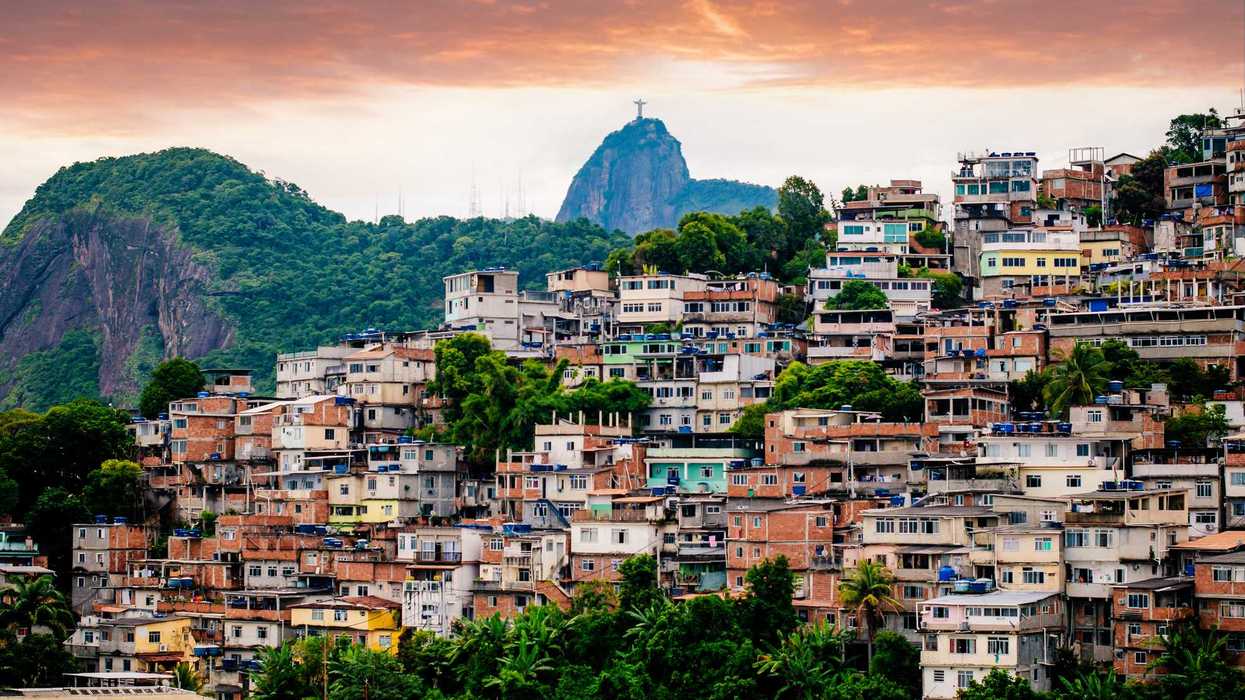
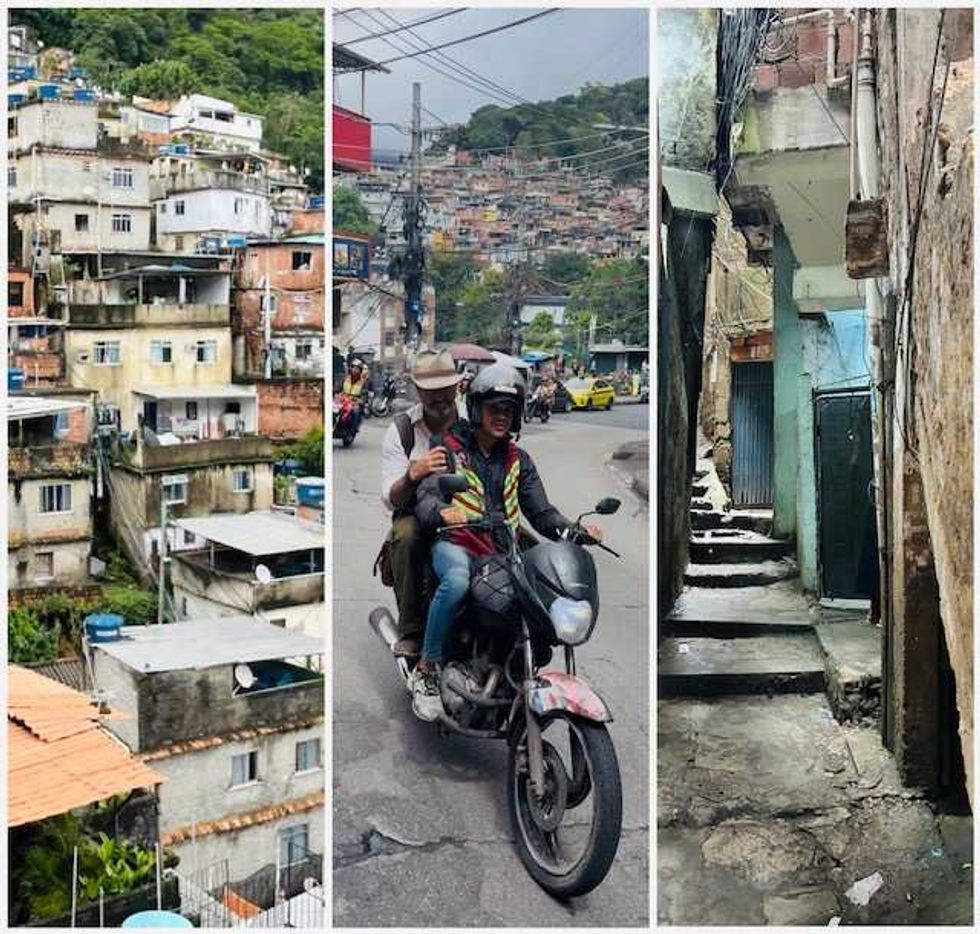 Scenes from Favela Rocinha, Brazil - (R-L) Rows of brick homes, Hugo Balta on a motorcycle taxi, and steep, winding roadsHugo Balta






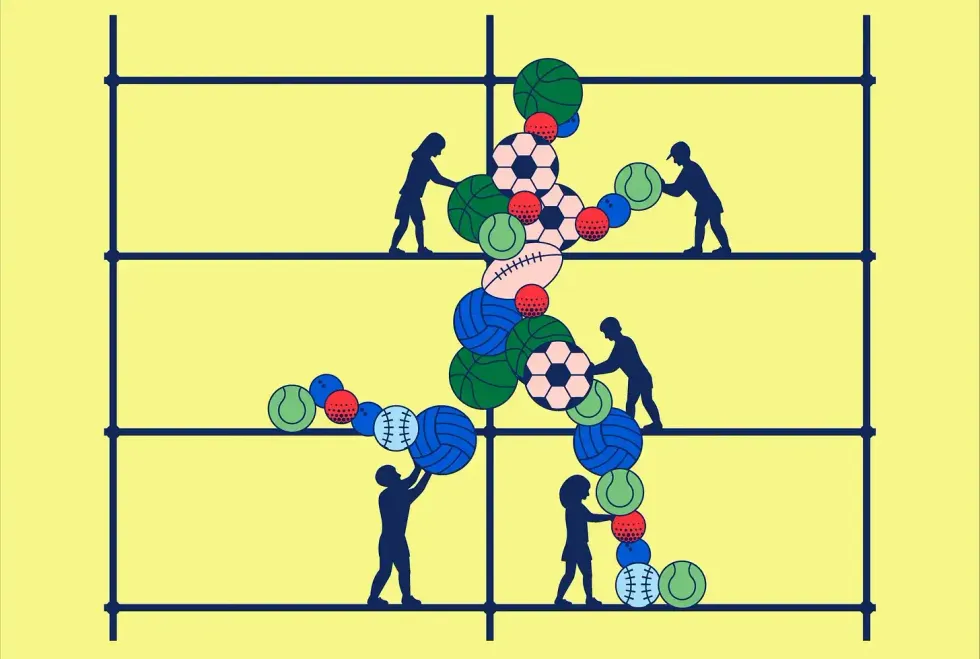 Following our HWF Civic Futures kickoff last week with Eric Liu, our design partners at Public/Official have created a unique visual to capture the “civic scaffolding” spirit of this conversation.
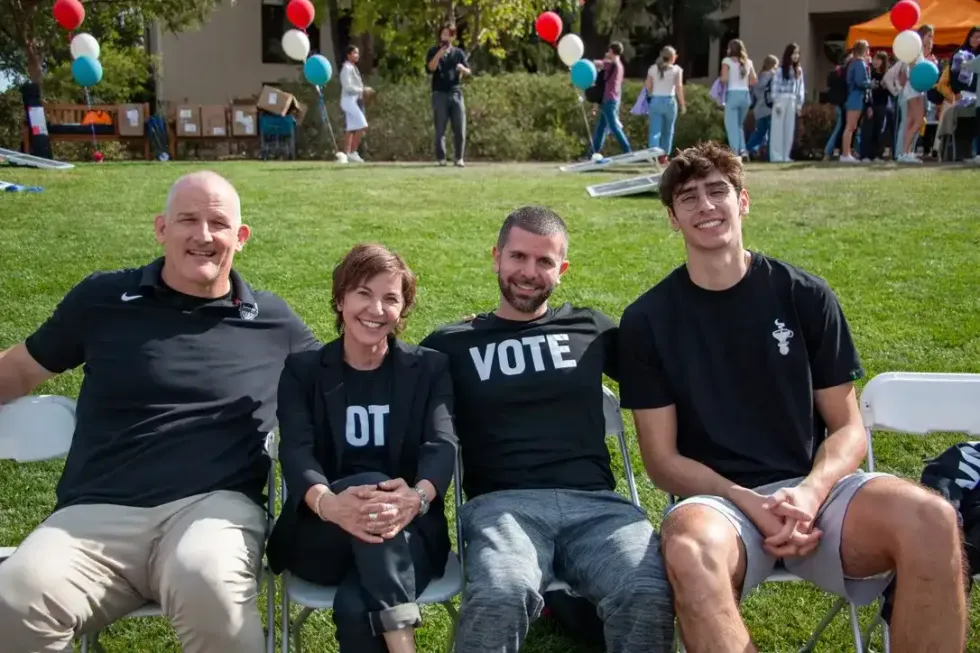 Lisa, Coaches Rev and Matt Elkin, and former Stanford Men’s Basketball star Maxime Raynaud at Stanford’s “All Vote No Play” Democracy Day, 2025