


Skip to content
Search

Latest Stories

Follow Us:
Top Stories

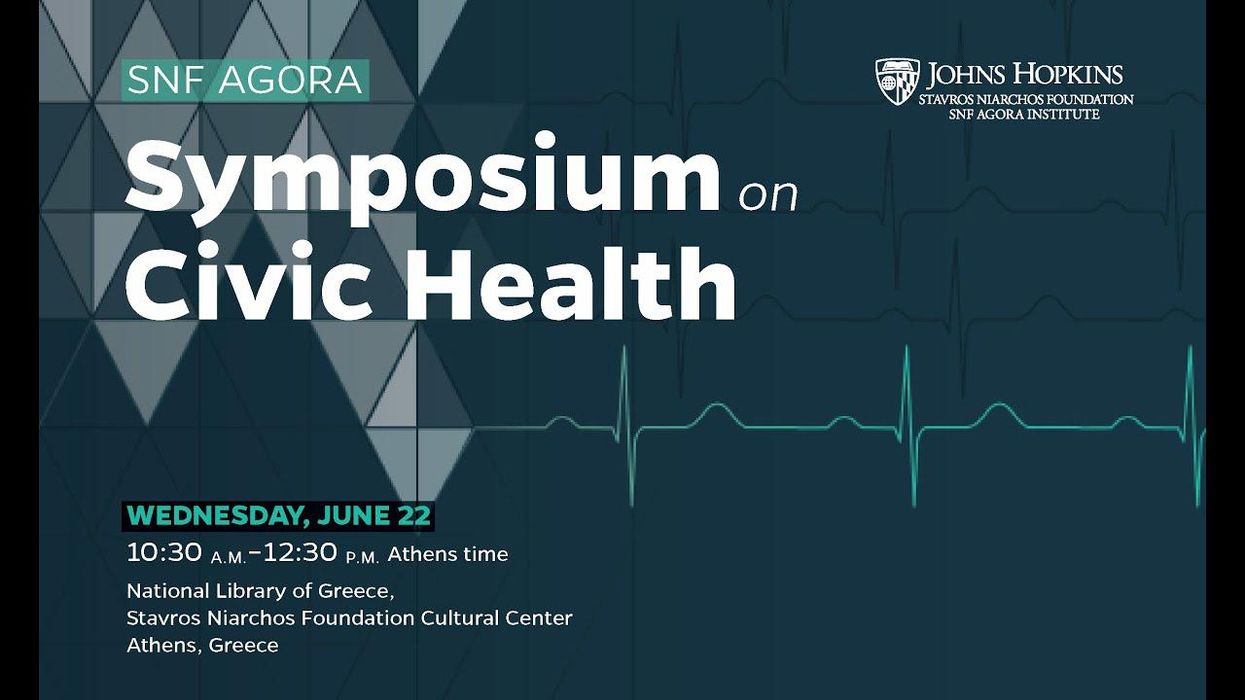
Video: SNF Agora Symposium on Civic Health Part 2

SNF Agora Symposium on Civic Health Part 2: Panel Discussion

This SNF Agora Symposium on Civic Health Panel Discussion features a wide range of speakers including

  • Adam Seth Levine is the SNF Agora Institute Associate Professor of Health Policy and Management in the Bloomberg School of Public Health.
  • Giada Girelli is a senior analyst in the Human Rights and Justice team at Harm Reduction International.
  • Hahrie Han is the inaugural director of the SNF Agora Institute, the Stavros Niarchos Foundation Professor of Political Science, and faculty director of the P3 Research Lab at Johns Hopkins University.
  • David Holt became Oklahoma City’s 36th mayor in 2018. He is the first Native American mayor of Oklahoma City and was, at the time he took office, the youngest mayor of Oklahoma City since 1923.
  • Alister Martin is a practicing ER physician and former chief resident at Massachusetts General Hospital.
  • Sarah Szanton, a nationally renowned researcher, leader, and health equity advocate, is dean of the Johns Hopkins School of Nursing and the Patricia M. Davidson Health Equity and Social Justice Endowed Professor.

Read More

Ukraine, Russia, and the Dangerous Metaphor of Holding the Cards
a hand holding a deck of cards in front of a christmas tree
Photo by Luca Volpe on Unsplash

Ukraine, Russia, and the Dangerous Metaphor of Holding the Cards

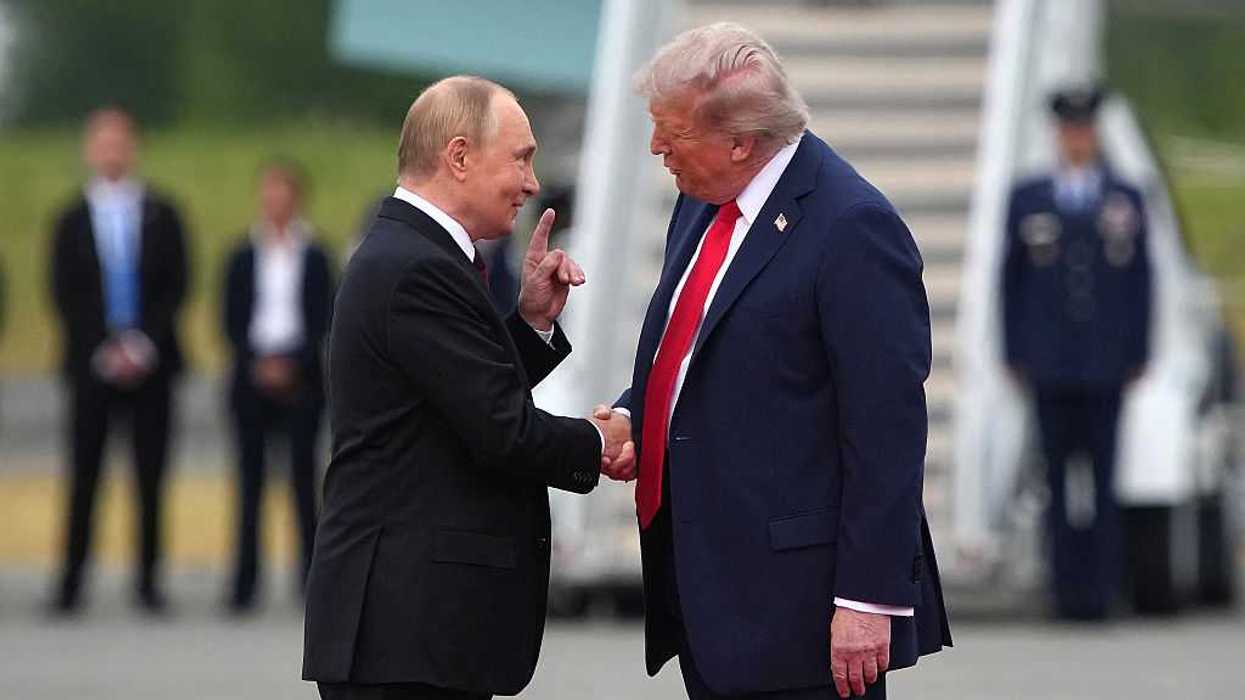
Donald Trump has repeatedly used the phrase “holding the cards” during his tenure as President to signal that he, or sometimes an opponent, has the upper hand. The metaphor projects bravado, leverage, and the inevitability of success or failure, depending on who claims control.

Unfortunately, Trump’s repeated invocation of “holding the cards” embodies a worldview where leverage, bluff, and dominance matter more than duty, morality, or responsibility. In contrast, leadership grounded in duty emphasizes ethical obligations to allies, citizens, and democratic principles—elements strikingly absent from this metaphor.

Keep ReadingShow less
Beyond Apologies: Corporate Contempt and the Call for Real Accountability
campbells chicken noodle soup can

Beyond Apologies: Corporate Contempt and the Call for Real Accountability

Most customers carry a particular image of Campbell's Soup: the red-and-white label stacked on a pantry shelf, a touch of nostalgia, and the promise of a dependable bargain. It's food for snow days, tight budgets, and the middle of the week. For generations, the brand has positioned itself as a companion to working families, offering "good food" for everyday people. The company cultivated that trust so thoroughly that it became almost cliché.

Campbell's episode, now the subject of national headlines and an ongoing high-profile legal complaint, is troubling not only for its blunt language but for what it reveals about the hidden injuries that erode the social contract linking institutions to citizens, workers to workplaces, and brands to buyers. If the response ends with the usual PR maneuvers—rapid firings and the well-rehearsed "this does not reflect our values" statement. Then both the lesson and the opportunity for genuine reform by a company or individual are lost. To grasp what this controversy means for the broader corporate landscape, we first have to examine how leadership reveals its actual beliefs.

Keep ReadingShow less
Donald Trump

When ego replaces accountability in the presidency, democracy weakens. An analysis of how unchecked leadership erodes trust, institutions, and the rule of law.

Brandon Bell/Getty Images

When Leaders Put Ego Above Accountability—Democracy At Risk

What has become of America’s presidency? Once a symbol of dignity and public service, the office now appears chaotic, ego‑driven, and consumed by spectacle over substance. When personal ambition replaces accountability, the consequences extend far beyond politics — they erode trust, weaken institutions, and threaten democracy itself.

When leaders place ego above accountability, democracy falters. Weak leaders seek to appear powerful. Strong leaders accept responsibility.

Keep ReadingShow less
Leaders Fear Accountability — Why?
Protesters hold signs outside a government building.
Photo by Leo_Visions on Unsplash

Leaders Fear Accountability — Why?

America is being damaged not by strong leaders abusing power, but by weak leaders avoiding responsibility. Their refusal to be accountable has become a threat to democracy itself. We are now governed by individuals who hold power but lack the character, courage, and integrity required to use it responsibly. And while everyday Americans are expected to follow rules, honor commitments, and face consequences, we have a Congress and a President who are shielded by privilege and immunity. We have leaders in Congress who lie, point fingers, and break ethics rules because they can get away with it. There is no accountability. Too many of our leaders operate as if ethics were optional.

Internal fighting among members of Congress has only deepened the dysfunction. Instead of holding one another accountable, lawmakers spend their energy attacking colleagues, blocking legislation, and protecting party leaders. Infighting reveals a failure to check themselves, leaving citizens with a government paralyzed by disputes rather than focused on solutions. When leaders cannot even enforce accountability within their own ranks, the entire system falters.

Keep ReadingShow less