



Every day, we cross paths with people whose lives seem completely different from our own. We exchange polite greetings with neighbors, chat briefly with acquaintances, and pass strangers without ever learning their stories. Yet beneath the surface, we often share more than we realize. Sometimes, all it takes is one conversation. Jean and Bella, 82 and 24 respectively, discovered this through their interest in composting.
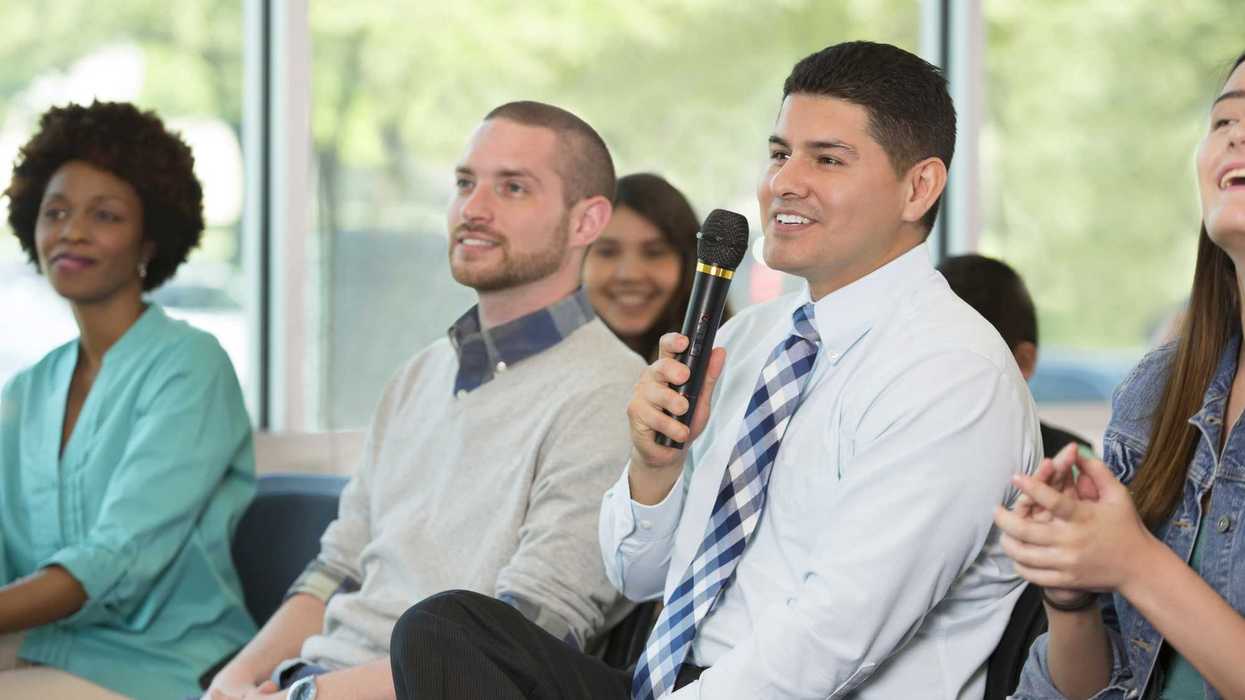
Bella regularly attended a Sunday morning "Cookies and Conversation" intergenerational discussion group at Hebrew SeniorLife, where Jean lives in Brookline, MA. The two had spoken before, but only in passing. Like many people meeting someone from a different generation, Bella wasn't always sure how to bridge the gap.
"At the beginning, I felt like it was complicated to figure out conversation topics for myself and people of different generations," Bella admitted. "I was overthinking it."
It was a feeling many people can relate to. Starting a conversation with someone can feel intimidating when we assume our experiences are too different from theirs. We worry about saying the wrong thing, choosing the right topic, or having enough in common. However, Bella soon realized those assumptions were creating barriers.
The two were paired through The Legacy Project's Changemaker Fellowship. What began as polite introductions gradually became an unbreakable friendship filled with inside jokes and a shared curiosity about each other's lives.
"Now I don't overthink so much," she said, "because we have a lot in common."
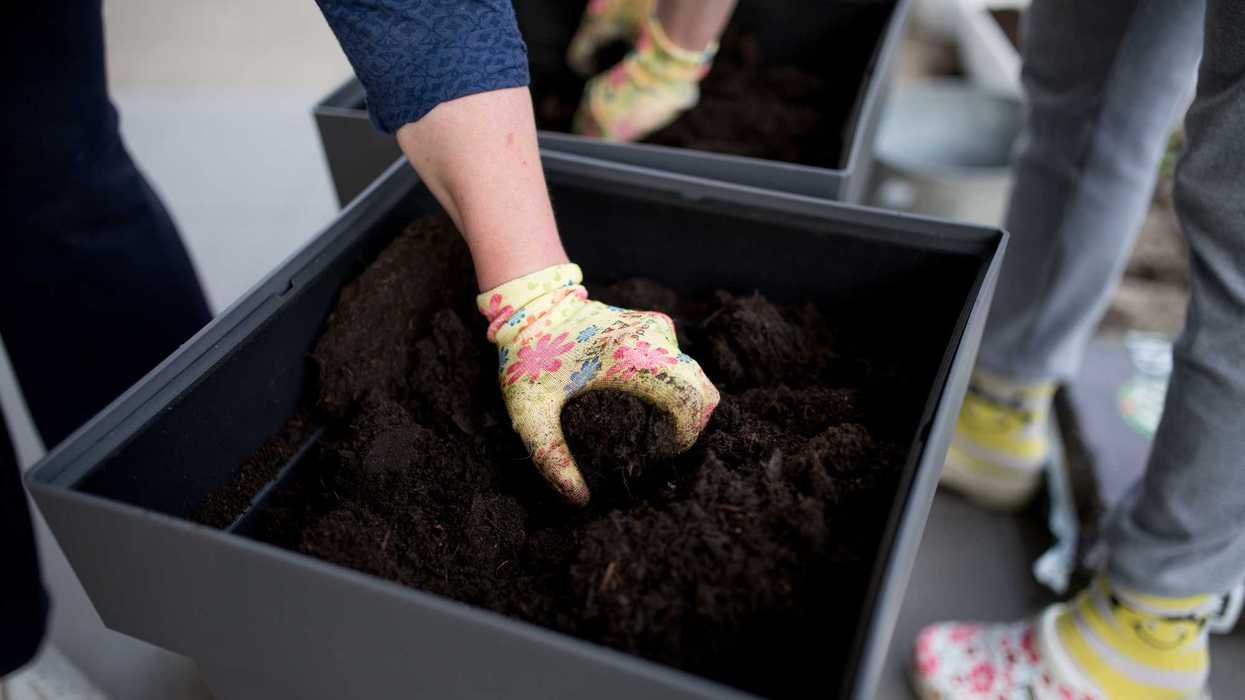
Together, they decided to center their fellowship around a composting initiative at Jean's residential community. For years, Jean had organized Earth Day sustainability programming for residents. When the fellowship coincided with this year's Earth Day event, she saw an opportunity to turn an educational discussion into a hands-on project with a lasting impact.
With support from the fellowship, Jean and Bella provided residents with compost containers and compostable bags, encouraged neighbors to collect food scraps, and helped make composting an easy part of everyday life. What had once seemed intimidating became practical, accessible, and something the community could do together.
The project also transformed Bella's own habits. She had wanted to compost and start a garden for years, but those goals remained dormant until she began working alongside Jean.
"Thanks to Jean's great composting tip of keeping a small bucket in the fridge," Bella said, "my family has started composting."
Bella also planted a small garden of her own and hopes to help grow compost produce through the same local program.
Working side by side gave them the opportunity to move beyond small talk. As they interviewed one another, planned events, and spent meaningful time together, their unexpected connections continued to appear. The two discovered shared ties to Scotland, upstate New York, Washington, D.C., and Brookline. They also found a shared connection to science, as Bella’s father Jean’s husband were both chemists, along with a mutual love of reading, a belief in the importance of women's education, and a deep commitment to serving their communities. Every conversation uncovered another layer of common ground.
"It turned out there were many aspects of our lives, despite quite big differences in some aspects, where we really connected," Jean reflected. "There were more things we had in common than not."
Those discoveries changed how they viewed one another. Instead of seeing a younger student and an older adult, they began to see collaborators and friends. The values they shared became more important than the decades between them.
"I have come to think of us more as contemporaries or colleagues than I do thinking of us as different generations," Jean said. "It's just been a very positive working relationship from the very beginning."
Their friendship also challenged a broader assumption that generations naturally have little in common. Rather than focusing on age, they approached each conversation with curiosity and an open mind. Every story uncovered another point of connection, making the differences between them feel smaller and the similarities much larger.
"I think it's partly that we continue to keep growing," Jean said. "Having these conversations really helps us do that."
Those conversations often went beyond personal stories to larger questions about civic engagement, community responsibility, and creating positive change. Bella especially valued hearing Jean describe her experiences growing up during the social movements of the 1960s.
"I appreciated that you shared some stories from that time," Bella told Jean. "It really gave me a different perspective on where I stand and where my generation stands in a continuum of that work."
On the other end, Jean found herself equally inspired by Bella.
"My generation was very active in anti-war activities and civil rights activities," she said. "I'm impressed now that Bella's generation is making decisions about their future at a time when we're at war and there are protests going on."
For both women, learning moved in both directions. Jean shared decades of experience, while Bella brought fresh perspectives and renewed optimism about the future. Their relationship became a reminder that intergenerational friendships are not one-sided. They thrive because both people have something valuable to contribute.
Their partnership, formed through The Legacy Project's Changemaker Fellowship, ultimately created far more than a successful composting project. It strengthened relationships within the Hebrew SeniorLife community, encouraged residents to embrace sustainable habits, and demonstrated what becomes possible when generations intentionally spend time together.
"I think the main thing is just that we have a lot more in common, just as people, cross-culturally and generation-wise, than we realize," Bella said.
Jean shared the same belief: "With almost anybody, if you scratch the surface, you'll find a story," she said. "I think it's also true of generations."
Her words capture the heart of their friendship. Meaningful connections are often hidden in plain sight. They begin with curiosity, grow through conversation, and deepen when people choose to look beyond assumptions.
In a time when differences often dominate public conversation, Jean and Bella remind us that connection is still possible. Their story shows that age is not a barrier to friendship but an opportunity to gain a perspective we could never discover on our own.
Their composting initiative may have brought them together around a shared project, but it was never just about food scraps. It was about discovering that two people separated by decades could still find common ground, learn from one another, and build a friendship that neither expected.
And although their fellowship has ended, one thing is certain. Their friendship will continue.
After all, as Jean joked near the end of their interview, she already knows the role she plans to keep.
"I'm happy to be her composting consultant."
Kelly Chi is a junior at UW–Madison double majoring in consumer behavior and marketplace studies alongside information science. She is passionate about bridging generations through storytelling and capturing shared human experiences.








The President Invited Iran to Bomb My Home