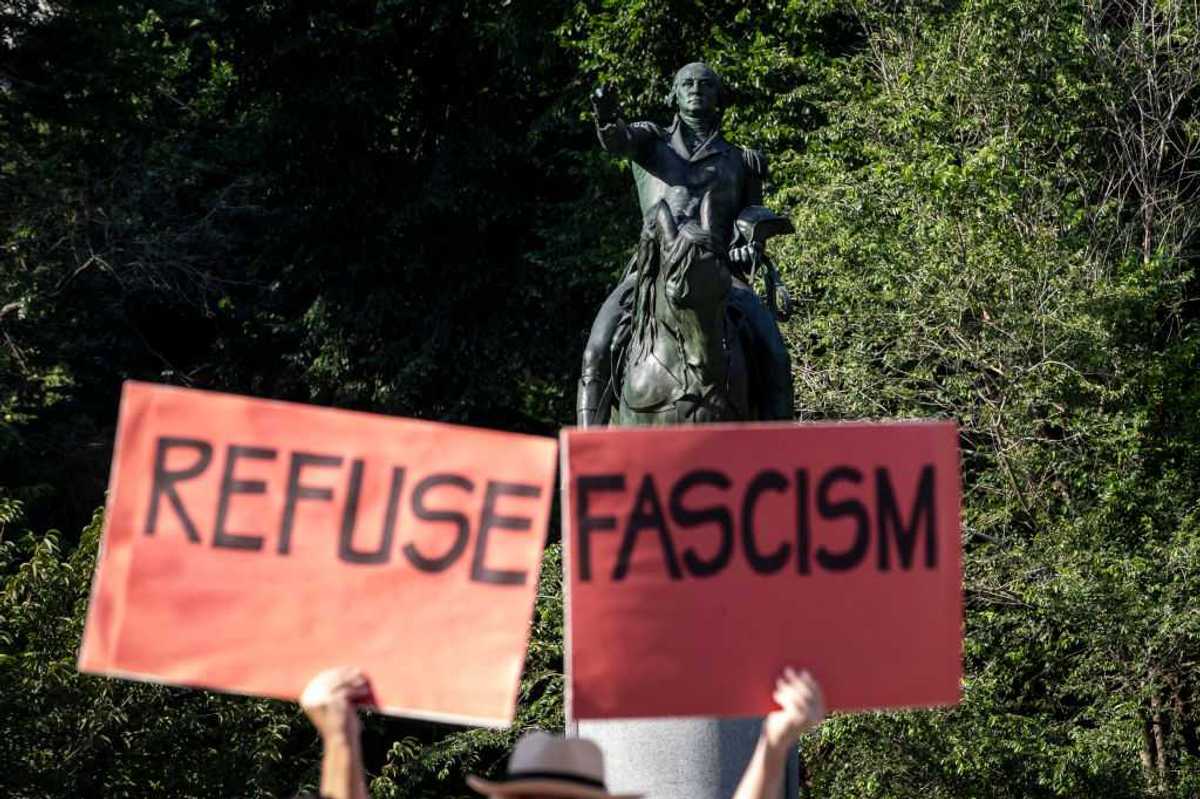
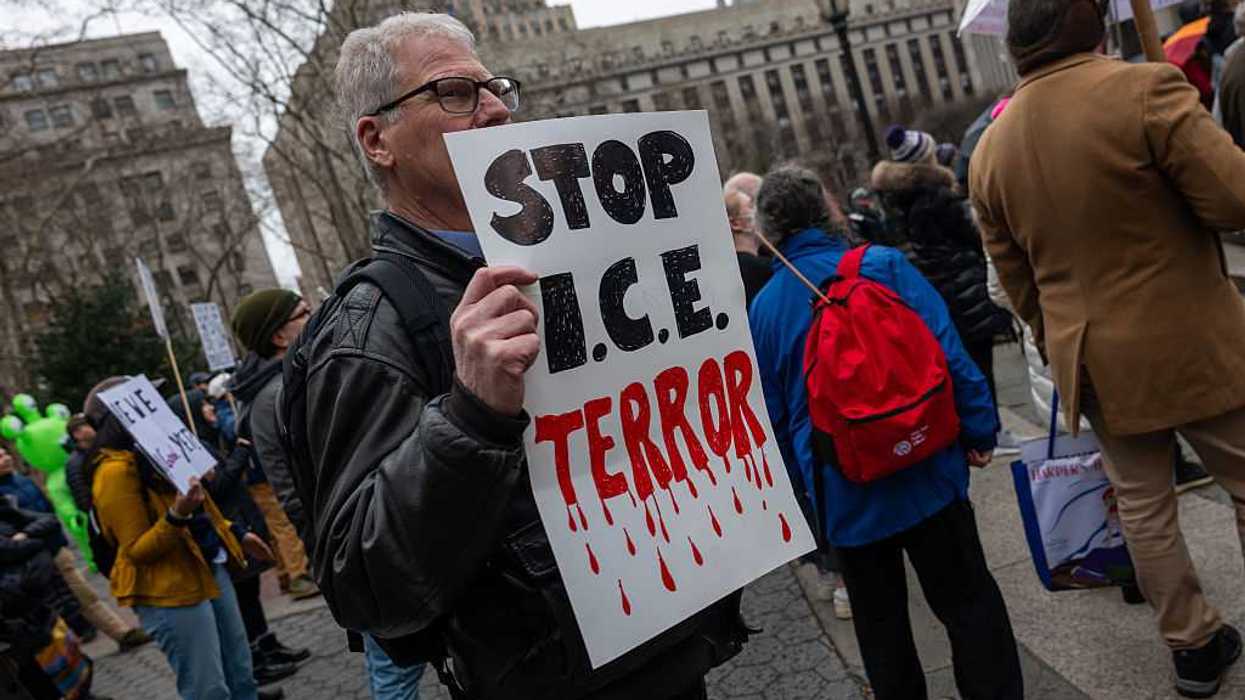
With each passing day, more chaos and confusion envelop us as a nation: from battles in local communities over Immigration and Customs Enforcement to the burning of synagogues to attempted cuts in childcare support.
I tend to find people reacting in one of two ways. Retreating, even unplugging entirely from the media and the public square. Or getting fired up and looking to take action.
It is this second group I want to address for the moment. In this group, I see too many of us reaching for easy answers. The impulse is understandable. Many of us want to do something–-anything!—to feel like we’re making a difference. But this impulse can lead us astray.
For starters, many people are investing their attention and hopes in the upcoming midterms. “If we just elect my candidate, then everything will get better.” But will they really? No doubt, voting matters and can lead to productive change. But let’s face reality: No election—or individual politician—can fix what ails us. The system itself is broken.
Others are rushing to join bridge-building and depolarization efforts. These are important, too. But I fear we may convince ourselves they are an end in themselves. I’m convinced no amount of “talk” or “civility” will produce the results we need.
Let’s tell the truth. There is no quick fix to the challenges we face in our communities and the nation. We have real work to do. The good news: it’s doable.
Getting on a new trajectory of hope requires addressing something deeper—much deeper—than just electing a new politician or talking through our differences. Over nearly 40 years of working deeply in communities across all 50 states, I’ve come to learn that civic culture is the biggest predictor of whether a community moves forward. The lack of a strong, working civic culture is why our country is at an impasse. We cannot move forward without forging new ways for people to interact, work together, and get things done.
Reviving civic culture is our central task today.
I’ve seen firsthand what it takes to revive civic culture and put communities on a more hopeful trajectory. I’ve worked everywhere from Flint, MI, after they lost tens of thousands of auto jobs, to Newtown, CT, in the aftermath of the massacre at Sandy Hook Elementary School, to Reading, PA, once declared the poorest community in America, where our work to restore their civic culture unleashed transformational, systemic education change.
Across all those experiences and more, I’ve learned that reviving and strengthening our civic culture starts with:
- Authentically engaging people about their aspirations and rooting our actions in what matters to them
- Creating more productive norms for interaction in our public square
- Developing more leaders who are connected with their communities
- Developing more organizations that span dividing lines and marshal a community’s shared resources
- Fostering new networks for civic learning and innovation
- Generating a stronger sense of shared purpose
This all requires that we build together and take action that addresses what matters to people in their daily lives. When we do this, we restore our sense of belief that we can actually get things done together—not as Republicans, Democrats, or Independents, but as Americans.
This work must start locally. That’s where the bedrock of society has always existed, and it is where such change can realistically occur. As our history proves, it is the diligent, one-step-at-a-time efforts that grow out of our local communities that have the power to transform our nation—oftentimes at the very moment when political progress feels most elusive.
To make good on the promise and potential that still exists all across this land, we must commit ourselves to reviving our civic culture and building together. Let’s get going.
Rich Harwood is the president and founder of The Harwood Institute.






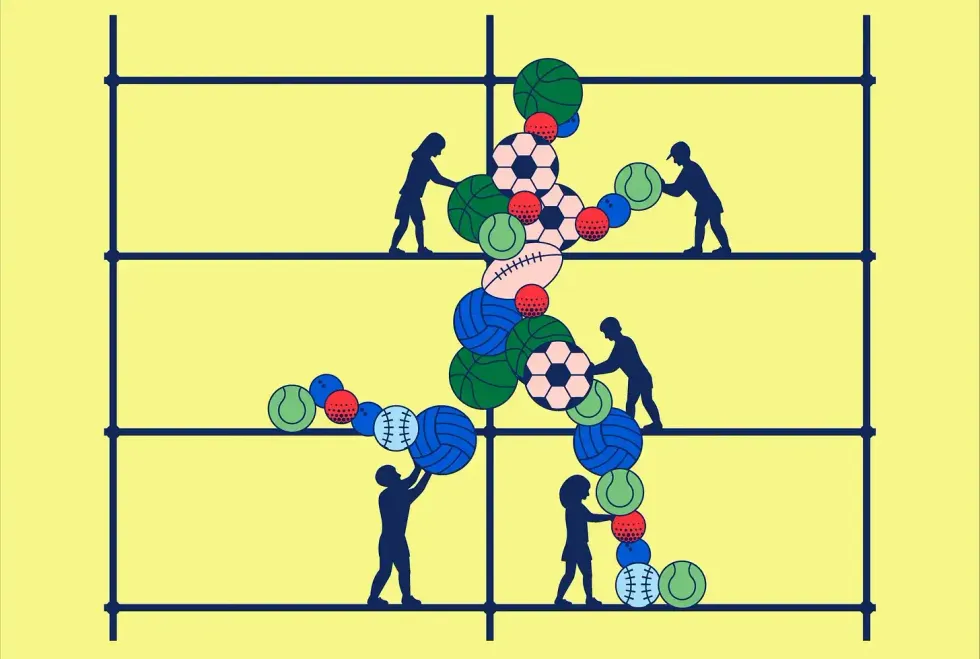 Following our HWF Civic Futures kickoff last week with Eric Liu, our design partners at Public/Official have created a unique visual to capture the “civic scaffolding” spirit of this conversation.
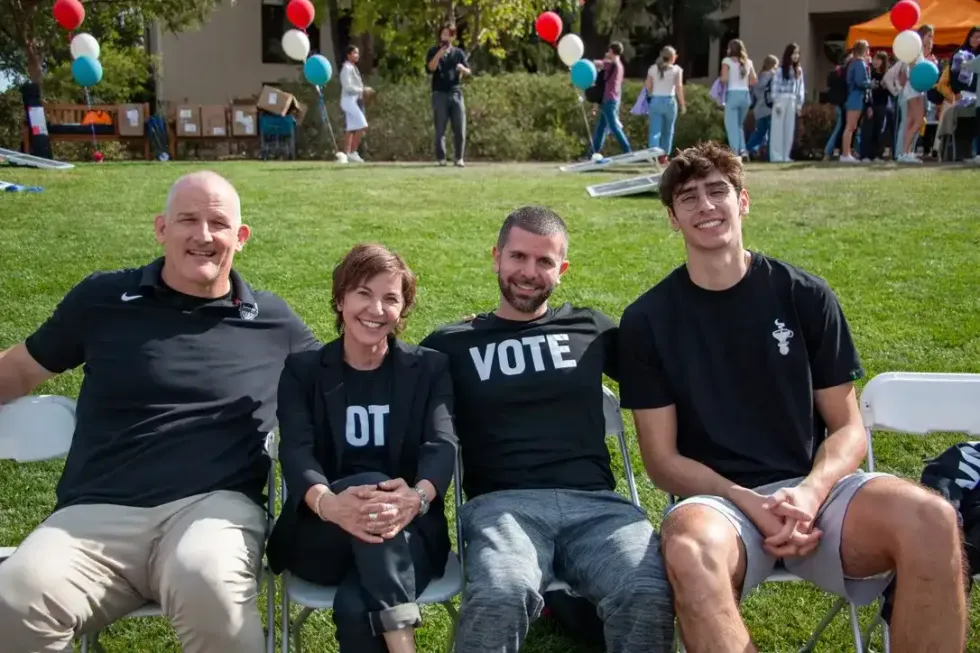 Lisa, Coaches Rev and Matt Elkin, and former Stanford Men’s Basketball star Maxime Raynaud at Stanford’s “All Vote No Play” Democracy Day, 2025