




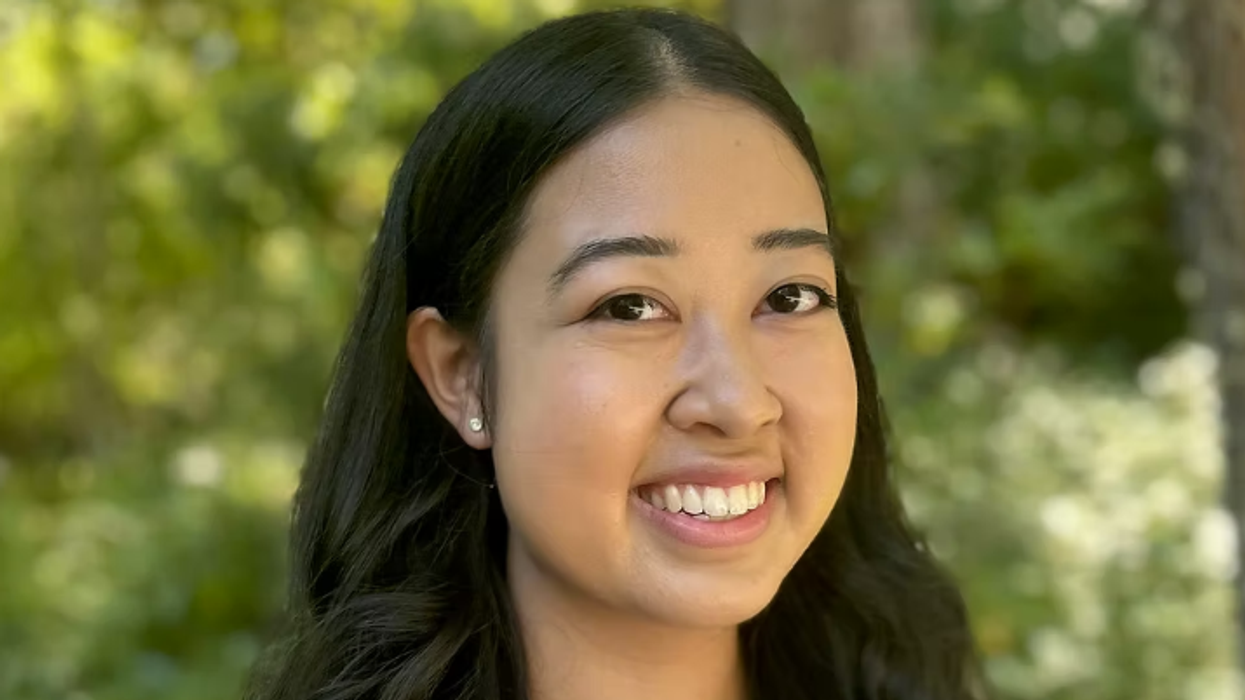
When OpenAI launched ChatGPT, it sparked Anika Dugal’s interest in tech policy and safety. As a junior in high school, Anika became aware of the harms of AI – from deepfakes to algorithmic bias – and she was inspired to take action. Grounded in a passion for women’s rights work, Anika was alarmed to learn about the manifold gender-based inequities around AI. Still, she could find no organizations focusing on it. It was then that Anika started the Center for Gender Equitable AI (CGEAI), then known as Girls for Algorithmic Justice, a nonprofit, youth-led organization working to address the gendered harms emerging from artificial intelligence and other technologies.
Since its founding in 2022, CGEAI has launched more than 20 chapters at schools worldwide, engaged almost 200 volunteers globally, created over 50 educational resources, and reached over 4,000 young people. CGEAI has sent youth representatives to convenings such as the UN Sustainable Development Goals Action Weekend, the Prudential Emerging Visionaries Summit, the Intercollegiate Bay Area AI Safety Retreat, and the Women in Engineering Conference.
In 2024, the organization launched its first campaign, #StopExplicitDeepfakes, to raise awareness of the harms of deepfakes and share information and tools to mitigate them.
The worldwide effort to confront the rise of AI-generated, nonconsensual explicit imagery garnered over 43,000 views, produced a 20+ page paper on guidance for school policies to address explicit deepfakes, submitted input to the UN AI Advisory Body, and even involved youth meeting one-on-one with Congressional representatives to share their perspectives on deepfakes and to inform meaningful change at the federal level. The campaign included the publication of an op-ed in The San Francisco Chronicle by CGEAI leaders Emma Le and Stephanie Choi, which was read and recognized by the San Francisco City Attorney. #StopExplicitDeepfakes also included an art competition that encouraged students around the world to convey their experiences through poetry, literature, and visual art.
Anika is deeply proud of the #StopExplicitDeepfakes campaign, sharing, “I first came across the issue about a year ago in a powerful op-ed in the New York Times by Nicholas Kristof. The op-ed described the innumerable girls and women victimized by explicit deepfakes and an utter lack of action around the issue. I was a senior in high school at the time, and procrastinating doing my homework by skimming the news. I remember sitting numb at my computer after reading the op-ed, then turning to my mom to tell her about it, outraged.
“The number of victims of explicit deepfakes is quite literally in the millions. That op-ed first inspired sadness, then outrage, and then a resolve that powered me through working on #StopExplicitDeepfakes last semester,” Anika said.
This semester, CGEAI is focused on developing resources to help high schools support their impacted students and thinking about how they can fill the critical knowledge gaps around explicit deepfakes.
“It’s hard to balance nonprofit work with the all-consuming nature of college life, but I know that this issue is important, awful, and underaddressed. It’s tangible harm like this that compels me to keep working on CGEAI,” Anika said.
According to Anika, one of the most rewarding moments of the #StopExplicitDeepfakes campaign was their art competition.
“I remember opening the Google Form and being incredibly moved by the submissions to our competition,” she said.
“The students who submitted pieces were vulnerable about their experiences or fears around AI-driven online harassment, and conveyed it so powerfully. Also, I’m glad to be seeing more attention paid to the issue–this year, explicit deepfakes were a key focus of the UN’s ‘16 Days Against Gender-Based Violence’ campaign.”
In a world in which AI continues to evolve rapidly, the organization, too, responds to new developments in this technology.
“CGEAI plans to expand in what we call a ‘star-shape’ to address issues in the nexus of gender equity and emerging technology through research, education, advocacy, and more,” Anika said.
“Our goal is to work where it’s most needed, and to fill the vital gaps that leave victims unsupported and decision-makers without key information. This semester, we’ve been focused on expanding our team through recruitment, establishing partnerships and finding mentors, and prepping some exciting initiatives for launch next semester. CGEAI is the furthest thing from an individual effort; my work would not be possible without the help of so many volunteers and mentors. Working alongside profoundly hardworking and kind people has been one of my favorite parts of this organization.”
Anika is now a sophomore Angier B. Duke Scholar, Duke Technology Scholar, and Laidlaw Scholar at Duke University studying computer science and public policy, and there’s no sign of her or the Center slowing down as they work to reach more people across the world through their research, education, and awareness programs, and community listening projects.
This is the second in an ongoing monthly series highlighting the inspiring work of high school-aged civic innovators. Through the mentorship and guidance provided by Civics Unplugged, young people are provided the skills, mentorship, and community needed to create impactful solutions to the problems that matter most. Since Civic Unplugged’s founding in 2020, they have graduated more than 5,000 Fellows worldwide from our tuition-free programs and provided $1.5 million in direct funding to Fellows’ initiatives. To learn more, please visit civicsunplugged.org.
The Fulcrum is committed to nurturing the next generation of journalists. To learn about the many NextGen initiatives we are leading, click HERE.













The President Invited Iran to Bomb My Home