


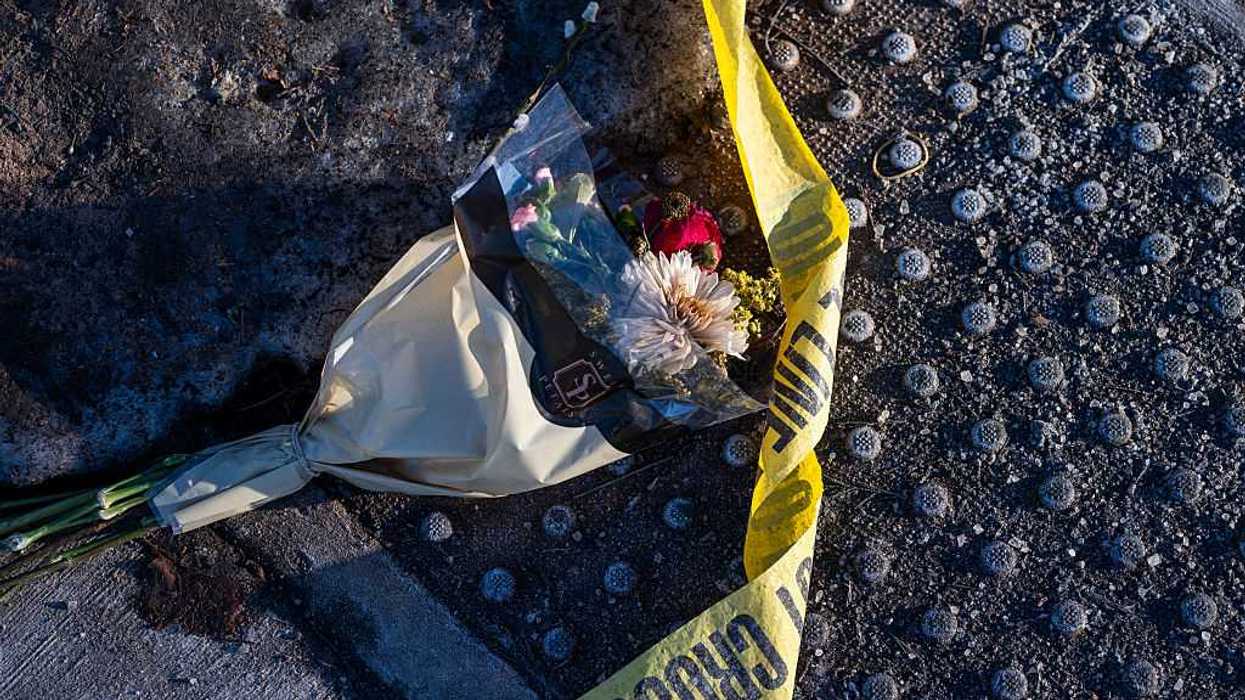

By now, we have all seen the horrific videos—more than once, from more than one angle.
The killings of Renée Nicole Good and Alex Jeffrey Pretti weren’t hidden or disputed. They happened in public, were captured on camera, and circulated widely. There is no mystery about what occurred.
What followed is just as revealing. While the public and affected communities called for a reckoning and refused to look away, the Trump administration showed no real pause and no contrition. There was no acceptance of responsibility. No urgent effort by President Trump or the GOP in Congress to slow things down and ask whether a line had been crossed. Instead, the machinery of ICE kept moving—resisting accountability and doubling down on denial.
When the government can kill and move on as if nothing happened, something has gone badly wrong.
This isn’t about a single officer or a single moment. It’s about what happens when power operates without a higher authority clearly willing—or able—to say stop. Lethal force is used, defended, and then absorbed as routine.
At that point, the question becomes unavoidable: what does it say about the Trump administration—and about us as a people—if federal agents can roam our cities wielding lethal power with little fear of being held accountable? This behavior should be beyond the pale in a country that still claims to be the world’s oldest democracy. It reflects a system in which restraint has been abandoned and oversight treated as optional rather than essential.
Where True Accountability Is Coming From
This is where the story truly shifts. What makes this moment especially troubling is where accountability is actually coming from. It is being driven largely by people and institutions outside the federal government—journalists recording events as they happen, lawyers filing suits, community groups documenting patterns of ICE abuse, and ordinary citizens refusing to let these deaths fade quietly from view. That Americans are stepping into this void is heartening. That they have been forced to do so is the indictment.
What has emerged in Minneapolis is best understood not as spontaneous protest, but as organizing and concerted community action. That distinction matters. Much of this work is deliberately quiet and often invisible: neighbors informally watching out for one another; adults walking vulnerable children to school to reduce the risk of encounters with ICE; church groups assembling food parcels for families too afraid to leave home; community organizations using encrypted messaging to track suspected ICE vehicles and activity; and others carefully logging and archiving evidence of abuses. This picture reflects deep, sustained community organizing rather than anger flaring in the moment.
All of this is basic civic work—constitutionally protected and democratically necessary. But it was never meant to serve as the primary safeguard against state power. When accountability depends mainly on those outside government, something structural has failed in the constitutional system.
Some state governments have stepped into that vacuum, particularly where communities have been directly affected. Attorneys general and governors have begun asking questions the federal government has declined to answer. That intervention shows resilience, but it also signals a breakdown. States are acting because national institutions have failed to do so.
Congress, for its part, has been largely content to watch from the sidelines. A razor-thin Republican majority has left leadership unwilling or unable to confront the executive branch in any sustained way. Oversight has stalled. Accountability has become episodic rather than structural. At the moment when moral leadership is most needed, Congress has failed the test.
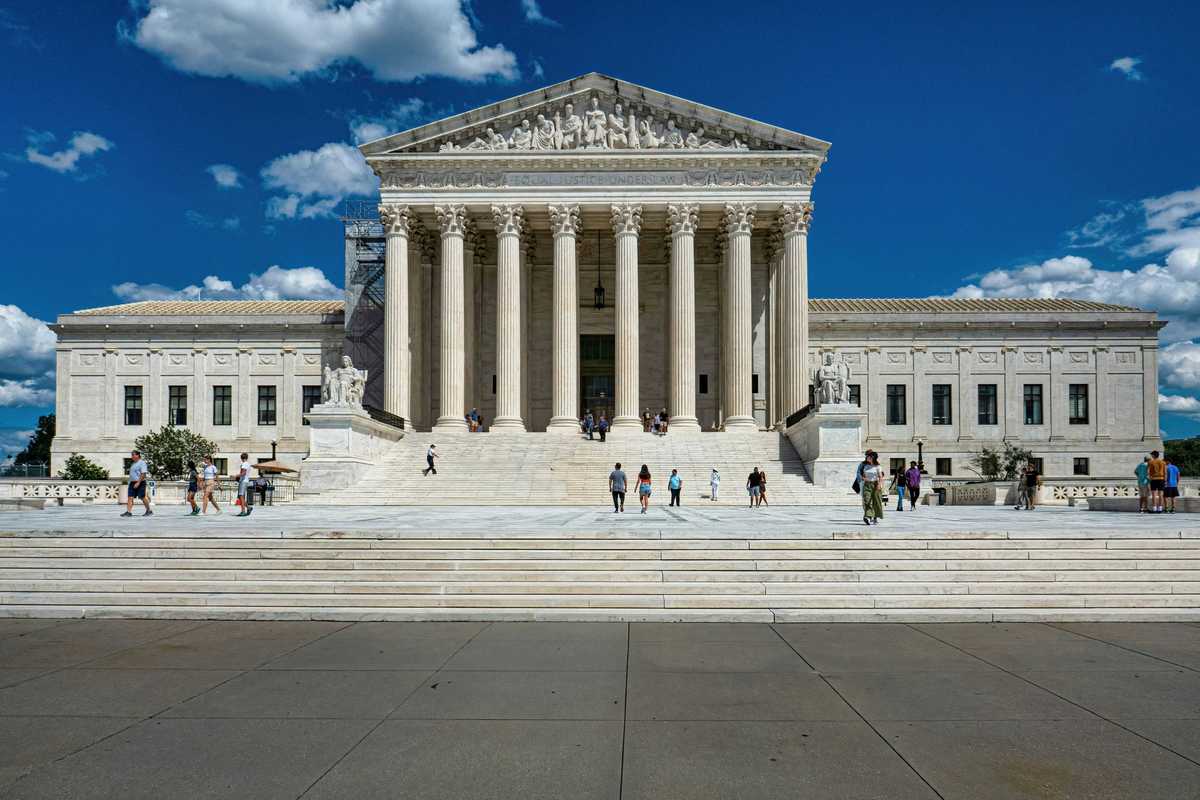
The Supreme Court has been quieter still. It has not moved to define limits or signal that firm boundaries exist around the domestic use of lethal state power. Whether through delay, deference, or silence, the Court has left dangerous room for ambiguity. In moments like this, silence is not neutral. It shapes behavior.
The Case for Delay—and Why It Fails
Defenders of the administration offer familiar responses. This is just enforcement. These situations are complicated. Courts take time. It is true that law enforcement is difficult and legal processes are often slow. But none of this explains why accountability appears optional rather than inevitable. In a functioning democracy, complexity does not suspend scrutiny. Time does not excuse silence. When lethal force is used in public, the burden should fall on the state to explain itself—not on the public to move on as if nothing happened.
Why This Moment Matters
By the time this is read, days will have passed. The initial shock will have dulled. Other stories will have crowded it out. That, too, is part of the story.
What we are living through now marks an inflection point in the country’s history—one that may prove as consequential as others we only recognize clearly in hindsight. Not because of a single incident, but because of what followed: how quickly the machinery of government resumed its pace, how little resistance emerged from national institutions, and how easily the use of lethal force slipped into the background of public life. Over time, these signals tell agents how much force is tolerated, institutions how much risk comes with intervention, and the public what it is expected to accept.
The most disturbing part is not only that these killings occurred, but how quickly they are being normalized.
Democracies do not collapse all at once. They erode when limits blur, when force replaces judgment, and when institutions charged with restraint decide it is politically expedient to look away.
What this moment makes clear, however, is that the public has not failed. The people and institutions outside the federal government are responding largely as they should—documenting abuses, demanding answers, and refusing to let these deaths be forgotten. It is the federal government that has failed, and failed deliberately, as presidential overreach has gone unchecked and accountability treated as optional. That places a heavy burden on the rest of the country. In this moment of crisis, those outside the federal government must continue to show up, press for answers, and insist on restraint and accountability for as long as necessary. The alternative—silence, fatigue, and resignation—is precisely what unchecked power depends on. It is also the best hope for forcing a reluctant GOP Congress to get off the sidelines and pass tough laws regulating ICE.
Robert Cropf is a Professor of Political Science at Saint Louis University.







The President Invited Iran to Bomb My Home