
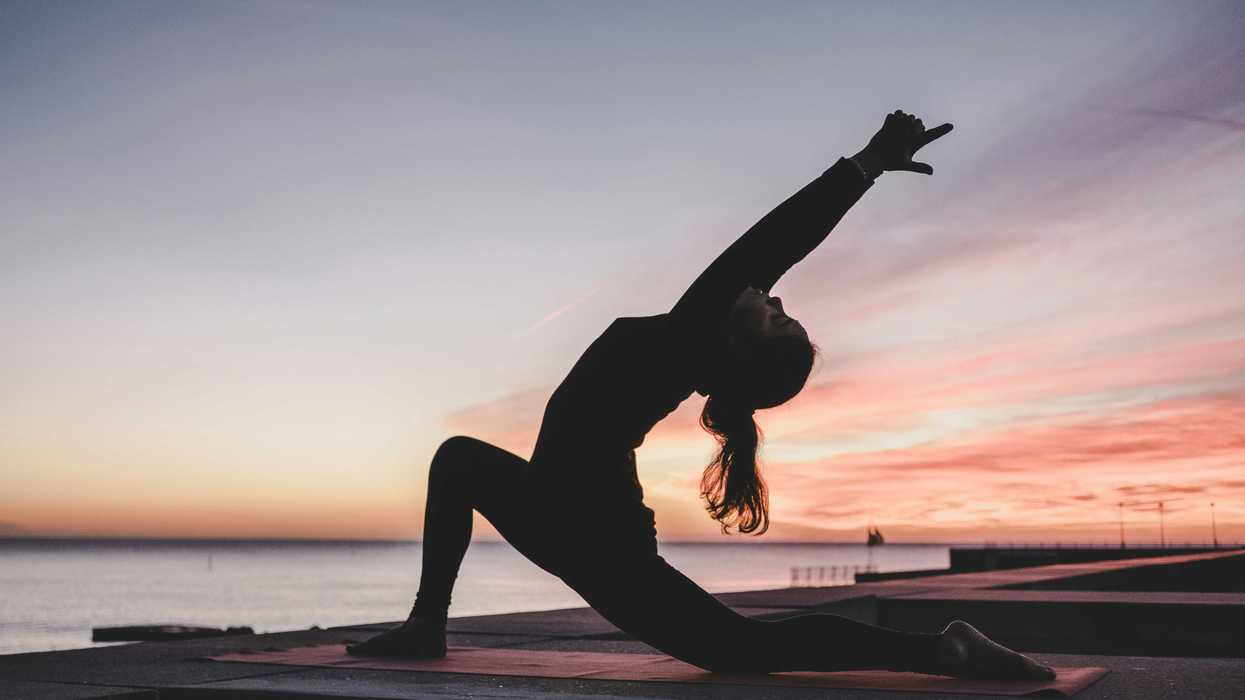

Yoga’s potential in American politics is undervalued, despite its deep presence in popular culture—from wellness trends to the Avatar movie universe.
In the current third Avatar movie, people peacefully gathered to meditate under a Spirit Tree. This new movie continues to demonstrate how peaceful yoga principles build community.
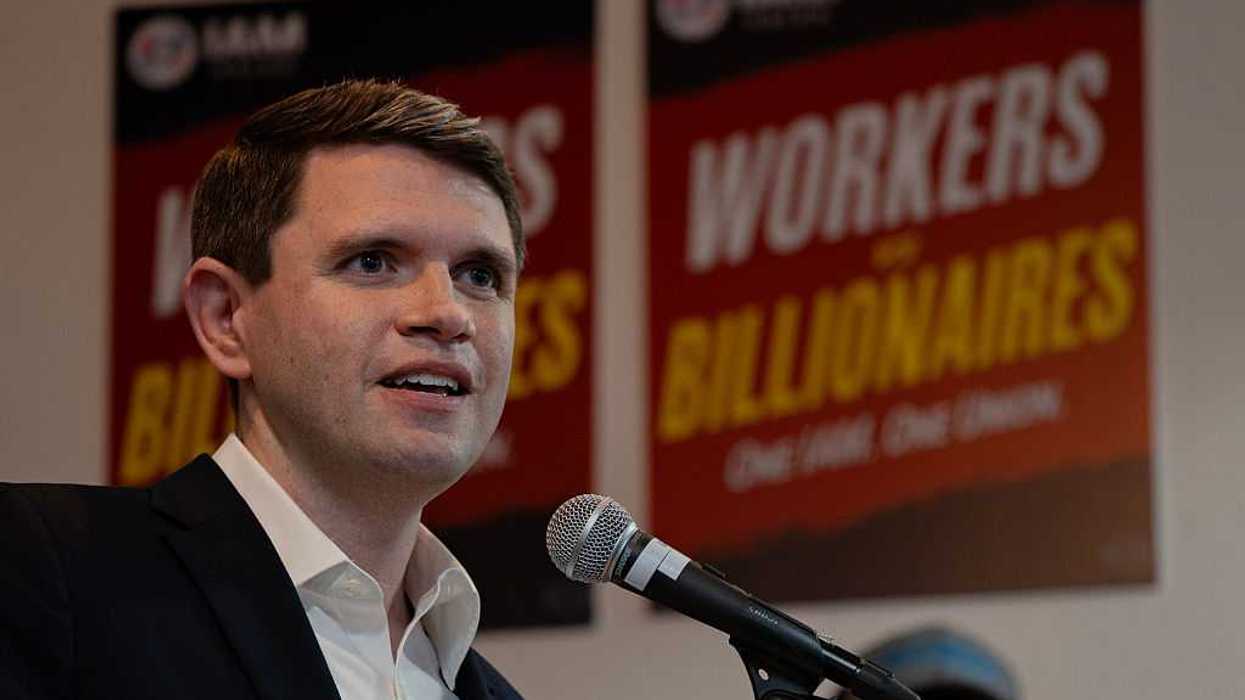
Zohran Mamdani, New York City’s new mayor, grew up practicing yoga. Mamdani successfully brings people from diverse cultures and viewpoints together. Mamdani is using yoga-type principles of unity and peace to elevate politics.
Yoga literally means union. Practicing yoga can help leaders create a democratic union, improve mental clarity, and cultivate peace.
I personally practiced yoga with my father, Kunwar Rajendra, who learned yoga in India before coming to America. He taught yoga for decades before meditation became mainstream. I experienced firsthand yoga’s capacity for improving connection, clarity, and problem-solving, and eventually became certified to teach. I continue to incorporate these wellness principles in my work and personal life.
Yoga is a collection of powerful holistic practices—movement, breathwork, meditation, and intention—that awakens strength and positivity in people. Yet yoga remains under-recognized as a tool for political leaders to use to strengthen democracy.
American democracy stands for union. Union strengthens individual parts and brings them all together.
The principles of the democratic union guided the Founding Fathers in transforming the scattered United Colonies into the United States.
President Lincoln understood that the Union was more than a territorial merging; it was an ethical ideal, clearing a path for all.
Imagine politics guided by reduced ego and focused listening. Leaders could debate without dehumanizing each other. Legislating would be a united, peaceful responsibility, without bickering, shouting, and hatred.
Besides improving democratic union, research shows that yoga also improves mental clarity.
Mindfulness means being consciously present. Harvard Health reports on the positive effects of mindfulness. Being mindful embodies the principles of yoga by improving attention, memory, and emotional regulation.
A 2025 study reported that introducing mindfulness techniques in high-stakes work environments enabled people to reverse bad decisions. These techniques incorporated yoga skills of yielding and grounding through meditation. These essential leadership skills can help politicians develop mental discipline.
Some leaders knew that yoga principles were the moral engines powering their movements. Martin Luther King Jr. drew inspiration from Mahatma Gandhi’s application of yogic principles of nonviolence and truth, which became the civil rights movement.
Yoga offers a non-combative solution to transform polarized division into peaceful dialogue.
Mainstream America is beginning to recognize the benefits of yoga. Over 38 million Americans practiced yoga in 2022, yet politicians still ignore these tools of mindfulness and conscious presence.
The current upheaval in American politics isn’t isolated fringe behavior; it’s a distress signal from a country trying to regain its balance.
Leaders can better serve their constituents by improving their mental clarity and enacting legislation peacefully.
To some, yoga sounds like a luxury amid moral, political, and environmental crises. However, the roots of yoga trace back to ancient philosophies such as Hinduism and Christianity, which are founded on shared human values, needs, and a peaceful presence.
Yoga is increasingly integrated into American life in many ways. Yoga studios teach asanas, which are movements that help people reconnect with their bodies and awareness. Smartphone users download mindfulness apps to cultivate awareness. Michigan’s former national-championship quarterback, JJ McCarthy, meditated mid-field before games to sharpen his focus under pressure.
Performance at the highest level requires a calm mind. Researchers found that one session of structured breathwork can improve mental control.
In fast-paced politics, leaders with inner steadiness can respond with wisdom rather than relying solely on reflex. A 2025 study from the National Library of Medicine confirms why breath-focused meditation works. Meditation activates the prefrontal cortex, the highly developed part of the brain, and calms the nervous system.
Here are some ways everyone can bring yoga into their lives. Citizens can establish a yoga fund for mindfulness training. Political teams can incorporate yoga into events and workshops. Parents and students can invite teachers to team development and community meetings.
Democracy awakens where shared purpose is present.
In a mindful future, Congress could begin each session with a moment of silence. Politicians would be better prepared to collaborate on the future of 343 million Americans.
Yoga won’t single-handedly repair democracy, but it can illuminate people and elevate America’s life force.
Anuja Rajendra has been a fellow with the Michigan Political Leadership Program, a Michigan State Senate candidate, and a TEDx speaker. Anuja received a Congressional Award for advancing health and wellness and helped with training the U.S. Olympic Ice Dancing Team.