


Skip to content
Search

Latest Stories

Follow Us:
Top Stories

Elks, Rotarians, and Both Party’s Lust for Control

Opinion

Elks, Rotarians, and Both Party’s Lust for Control
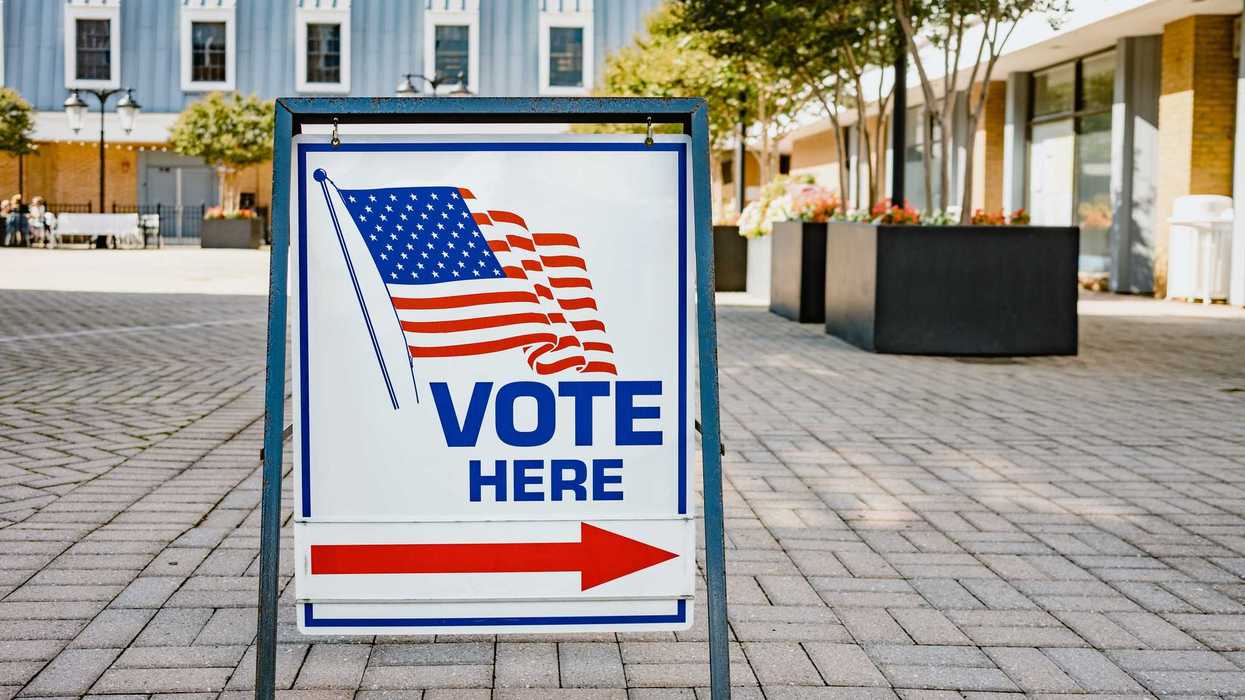
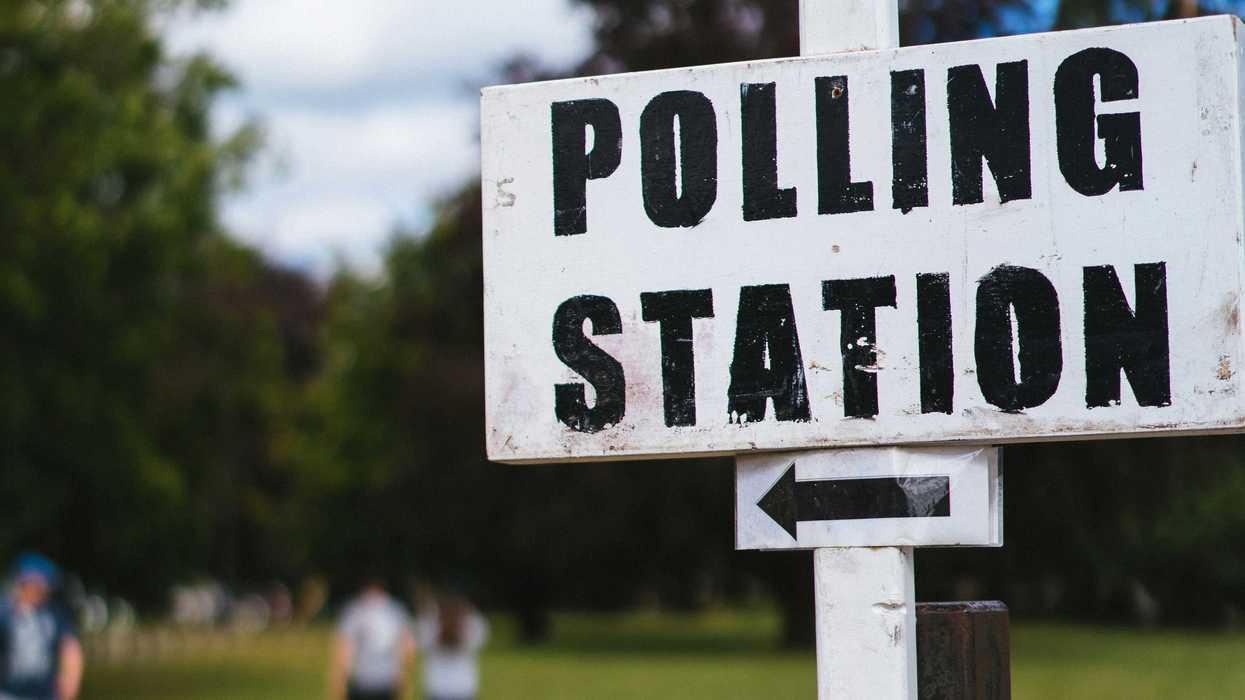
A pole with a sign that says polling station
Photo by Phil Hearing on Unsplash

When it comes to the issue of open primaries, DSA true believers like Brad Lander in New York and MAGA mouthpieces like Governor Abbott in Texas sing from the same hymnal: open primaries invites mischief and party raiding. If we let independents vote we’d get pandemonium. Democracy needs guardrails, and political parties need integrity. You wouldn’t want Elks voting in Rotarians’ elections would you?

There is a certain logic to it. Except Abbott, Lander and all their fellow partisan warriors have it completely backwards.


And now we have the data to prove it.

New polling from Open Primaries and the Independent Voter Project of 1300 registered Democrats in NYC revealed something astonishing: 40% of registered Democrats do not consider themselves to be Democrats. 40%. They register to vote as Democrats simply to be able to vote in the primary election, the only election that matters in the Big Apple.

Among Hispanic New Yorkers, only 1 in 3 Democrats are actual Democrats!

The numbers are astonishing. And very revealing. When you force people to join a private political organization in order to vote in a public election, don’t be surprised if you end up with a political party of reluctant registrants, not true believers. And the “party raiding” that politicians use to scare voters away from open primaries is actually going on in closed systems! On a huge scale.

We've known for years that independents join parties in order to vote - now we have the hard evidence. But what the numbers don't tell is what it feels like to be forced by your own government to join a political organization you don’t believe in just to be able to cast a ballot. A group of us sat down with MSNOW last week to discuss exactly that.


- YouTube youtu.be

Closed primary elections are a huge manipulation. They force voters to lie to vote and exclude those unwilling to do so.

But New York and 15 other states remain entrenched, so we have to keep building pressure to let all voters vote.

I never thought anyone would write this, but Texas is hellbent on following New York’s example. The GOP now has Governor Abbott’s blessing to move ahead with their legal challenge to the state’s open system. And the Democrats are mute, as per usual. Within a year or two, Texas (arguably the state with the most independent culture in America) will have a fully closed system in which independent voters will be categorically excluded. The results will be terrible for Texas.

The political parties are private organizations. And they are incredibly powerful. They do not need government protection. If anything, we, the people, need the protection from the parties! They want to gerrymander us out of existence and keep us out of primaries, where all the action is.

Open systems that give people full access don’t invite chaos and manipulation. Party-controlled systems do. And until we pry control of our democracy from the grip of private organizations, chaos will dominate.

John Opdycke is the president of Open Primaries, a national election reform organization.


Read More

Voter Information Requirement Could Hinder Arizona Mail-In Ballots

Arizona permits some elections to be conducted entirely by mail-in balloting, according to the National Conference of State Legislatures.

(Adobe Stock)

Voter Information Requirement Could Hinder Arizona Mail-In Ballots

Arizona voting rights advocates are resisting President Donald Trump’s executive order directing the U.S. Postal Service not to deliver mail-in ballots to residents if a state refuses to send its voter rolls to Washington.

The Trump administration said the order is part of an effort to ensure voting integrity. In Arizona, 84% of voters cast their ballots by mail in the 2024 presidential election.

Keep Reading Show less
If the GOP Closes Its Primary, Taxpayers Should Close Their Wallets

wallet with dollar bills, on top of an American flag

hartcreations/Getty Images

If the GOP Closes Its Primary, Taxpayers Should Close Their Wallets

A recent court ruling allowing the Colorado Republican Party to decide how and whether to close its primary elections comes at a pivotal moment for the state’s election system. For nearly a decade, Colorado has had an open primary; one designed to reflect the state’s growing share of independent voters. The decision now raises a fundamental question: should taxpayers continue to fund an election that restricts large numbers of the public?

Colorado’s primary elections are not private affairs. They are administered by the state, financed by taxpayers, and conducted through public infrastructure. Ballots are printed and mailed by government offices. Election workers are trained and compensated with public funds. In every functional sense, primaries are public elections.

Keep Reading Show less
Nevada pro-democracy groups condemn SAVE Act

Sen. Catherine Cortez Masto, D-Nev., speaks at a press event about free and fair elections. A recent study from MIT ranked Nevada second in the nation for quality of election administration, based on measures of accessibility and security.

(Battle Born Progress)

Nevada pro-democracy groups condemn SAVE Act

President Donald Trump has made passing the Safeguard American Voter Eligibility Act a top priority before the midterms but supporters of safe and fair elections in the Silver State said it would be a disaster for democracy.

The bill, which purports to combat noncitizen voting, would make it much harder to register to vote. It passed the U.S. House but is stalled in the Senate.

Keep Reading Show less
How A 2022 Law Changed Election Certification: Assessing the Electoral Count Reform Act

A sign that reads: Voting

E4C

How A 2022 Law Changed Election Certification: Assessing the Electoral Count Reform Act

This nonpartisan policy brief, written by an ACE fellow, is republished by The Fulcrum as part of our partnership with the Alliance for Civic Engagement and our NextGen initiative — elevating student voices, strengthening civic education, and helping readers better understand democracy and public policy.

Key Takeaways

  • The Electoral Count Reform (ECRA) of 2022 modernizes the 1887 Electoral Count Act, which governed how Congress counts Electoral College votes. The original Act has been widely criticized as vague and susceptible to exploitation.
  • The ECRA clarifies that the Vice President’s role is ceremonial, raises the objection threshold to 20 percent of both chambers, and designates governors as responsible for submitting elector certificates.
  • Supporters argue that the bipartisan reform prevents future election disputes and protects democratic stability, while critics contend that it was rushed, doesn’t address deeper election integrity issues, and raises concerns about federalism.
  • The Act reflects bipartisan cooperation but continues debates about federalism and the balance of power between states and Congress.

The Electoral Count Reform and Presidential Transition Improvement Act (ECRA) was introduced by Senator Susan Collins (R-ME) in July 2022 and signed into law by President Joe Biden in December 2022. It is a reform to the Electoral Count Act of 1887 (ECA), a law that governs how Congress counts the Electoral College votes for president every four years. The Act is also a response to President Donald Trump’s efforts to dispute the 2020 presidential election results, which revealed several gaps in the law that could be exploited by a presidential candidate.

Keep Reading Show less