




In an Advent reflection penned several years ago, Anne Lamott wrote, “even as everything is dying and falling asleep…something brand new is coming. Hope is coming….swords will be beaten into plowshares, spears into pruning hooks.
“This is a little hard to buy,” she admitted, “with a world stage occupied by—well, I’m not going to name names. But setting aside one’s tiny tendency toward cynicism,…in Advent — we wait; and hope appears if we truly desire to see it….we find it where we can….”
I want us to beat our cynicism and despair into useful tools to plant and grow that hope, don’t you? My most recent glimpse was something between “The Little Engine that Could” and “David and Goliath.” It arrived in an email from the head of the United Church of Christ Climate Hope Affiliates (CHA). The first CHA chapters were started in March 2025, and by the end of the year, they had started their eleventh chapter. Talk about planting hope in a hard season.
Before I share that hopeful story, let’s remember the cracked clay we must till for hope to grow.
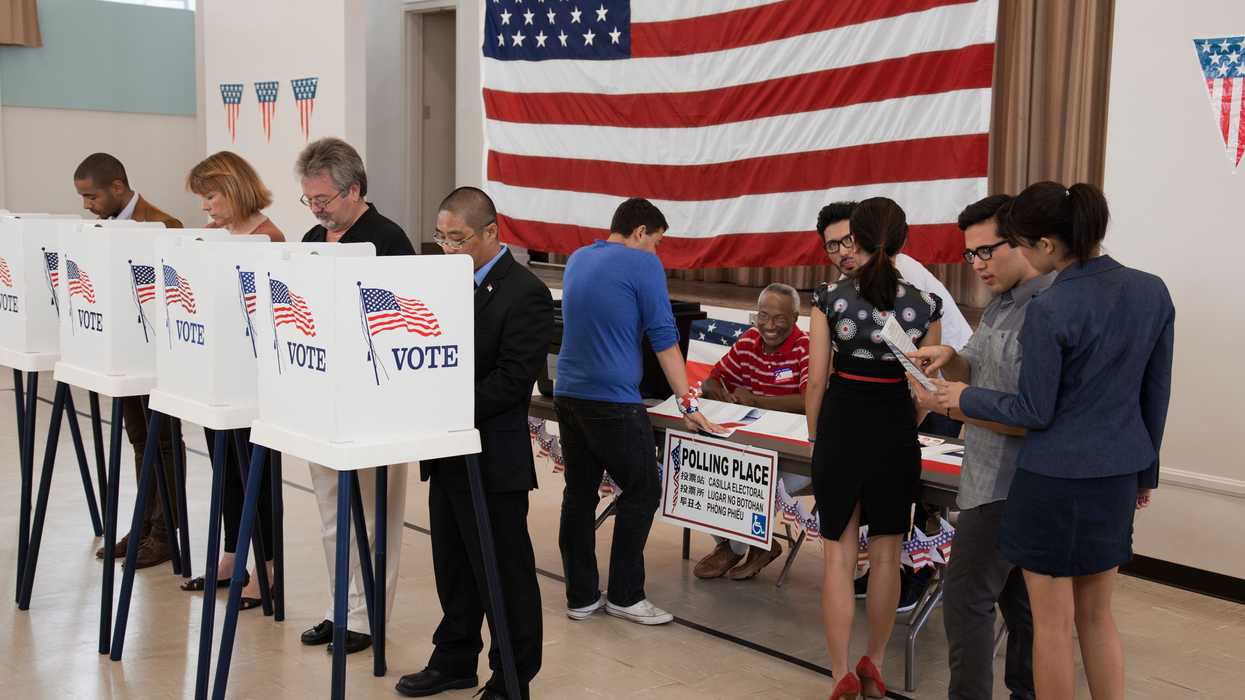
This month, Miami elected its first Democratic mayor in nearly 30 years. The voter turnout? Twenty-one percent. On December 9, 2025, 79 percent of Miami voters stayed home. That’s a reminder of how hard it is to engage Americans in voting, let alone the work between elections.
Against this backdrop, the eleventh and newest CHA chapter was launched in East Lansing, Michigan, on November 1. Of the 22 who attended the launch, 10 became chapter members. They began with a four-part new group training, something few organizations would ask of new volunteer advocates. (We often get as little as we ask for.) Before the four sessions were even complete, they’d secured, prepared for, and completed their first meeting with a Congressional office. Many of their friends and acquaintances said their Congressman, Rep. Tom Barrett (R-MI), was notoriously difficult to reach.
Because of alleged vandalization outside of Rep. Barrett’s office, the office was closed, and the brand-new volunteers were told they’d be informed of the meeting location only a few hours beforehand.
“I honestly wondered if we would be meeting at all,” said Pastor John Schleicher, Lutheran Bishop Emeritus, who described the experience on the CHA national webinar in December.
Some chapter members had never met with a Congressional office, so they practiced once with the CHA staff trainer and twice on their own.
“I would underline how important those practices were for all of us to be able to speak both succinctly and extemporaneously,” Schleicher said, “and to engage in ‘deep listening’. As it turned out, the Congressman’s district director was more than gracious, setting us all at ease and granting us a full hour to talk.”
Three Michigan State University students sat in on the meeting. That’s real civics training. The Congressman and his aide shared a commitment to caring for veterans, and the group expressed their gratitude for that and for Rep. Barrett’s support for solar energy as a state representative.
The aide listened carefully to the volunteers’ personal stories and to their request: full funding of the Environmental Protection Agency (EPA). President Trump has called for a 55% cut to the EPA.
“We spoke of our hope for an ongoing relationship with the aide,” Schleicher continued. “He responded that we could be helpful in sharing important details and nuances in shaping bills Rep. Barrett might sponsor and/or support related to environmental and caring for creation issues.”
Knowing their Representative is a devout Catholic and avid reader, they asked the aide to pass on a copy of Laudato Si, Pope Francis’ encyclical On Care for Our Common Home.
“If this first meeting sounds too good to be true,” Schleicher concluded, “it did to us, too! Our advice as newbies in this CHA approach to advocacy is to lean on your faith that God is in this non-combative approach to relationship building with elected leaders. They may not be as completely close-minded or as captive to corporate, nakedly profit-oriented influences as we think. Pray for…staff members to show up in this gentler, more Christ-like, potentially more lasting way, willing to work with you for a healthier, more just world.”
“Even as everything is dying and falling asleep” Lamott reminded us, “…something brand new is coming. Hope is coming….in Advent — we wait; and hope appears if we truly desire to see it….we find it where we can….”
I’ve found hope in the work of these newly minted volunteer advocates and in a Congressional aide who was willing to listen to them.
Sam Daley-Harris is the author of “Reclaiming Our Democracy: Every Citizen’s Guide to Transformational Advocacy” and the founder of RESULTS and Civic Courage. This is part of a series focused on better understanding transformational advocacy: citizens awakening to their power.










The President Invited Iran to Bomb My Home