





Climate change-driven global warming threatens the Winter Olympics, creating treacherous conditions for athletes. Warmer winters result in heavier, more dangerous snow. This warming can cause athletes to overheat and lead to equipment failures.
In a survey by Scott et al. in Current Issues in Tourism, 339 athletes and coaches from 20 countries detail many of these dangerous conditions. Competing in warm weather can cause overheating. High temperatures raise heart rates and body temperatures and cause fatigue. Boots can soften in warm conditions, making skis harder to control. Rising temperatures cause snow to turn to slush, decrease speeds, and create holes in landing areas. These conditions are unsafe and increase athletes' risk of injury.
By 2050, only 52 of the current 93 Winter Olympic hosting sites will have the snow depth and cold enough temperatures to remain hosts. There may be only one site left by the end of the century if global warming continues. The future of the Winter Olympics depends on fighting climate change.
As the 2026 Winter Olympics open this week in Italy, this is an ideal moment to raise awareness of global warming. While the challenges faced by athletes are daunting, they also present an opportunity to inspire personal action against climate change.
As an environmental educator for 35 years, I’ve seen how nature inspires people to act on climate change. Building a personal connection with nature is crucial for promoting environmental care.
A recent 2025 study by Kenyon et al., titled Connection to Nature, highlights that engaging with nature boosts human well-being. This connection motivates people to take pro-environmental actions.
The natural world is awe-inspiring. Gazing at a starry sky or a grand forest sparks wonder. Snow-capped mountains and stunning waterfalls stir deep emotions. Experiencing nature rekindles people's bond with the environment. Remembering why people love the environment motivates them to protect it.
However, more than 4 billion people live in cities with limited opportunities to connect with nature. In the United States, over 280 million people live in urban areas and spend 85% of their time indoors.
A 2025 article published in Frontiers in Virtual Reality states that modern lifestyles disconnect people from nature. This gap shows the need for new ways to bring nature into daily life.
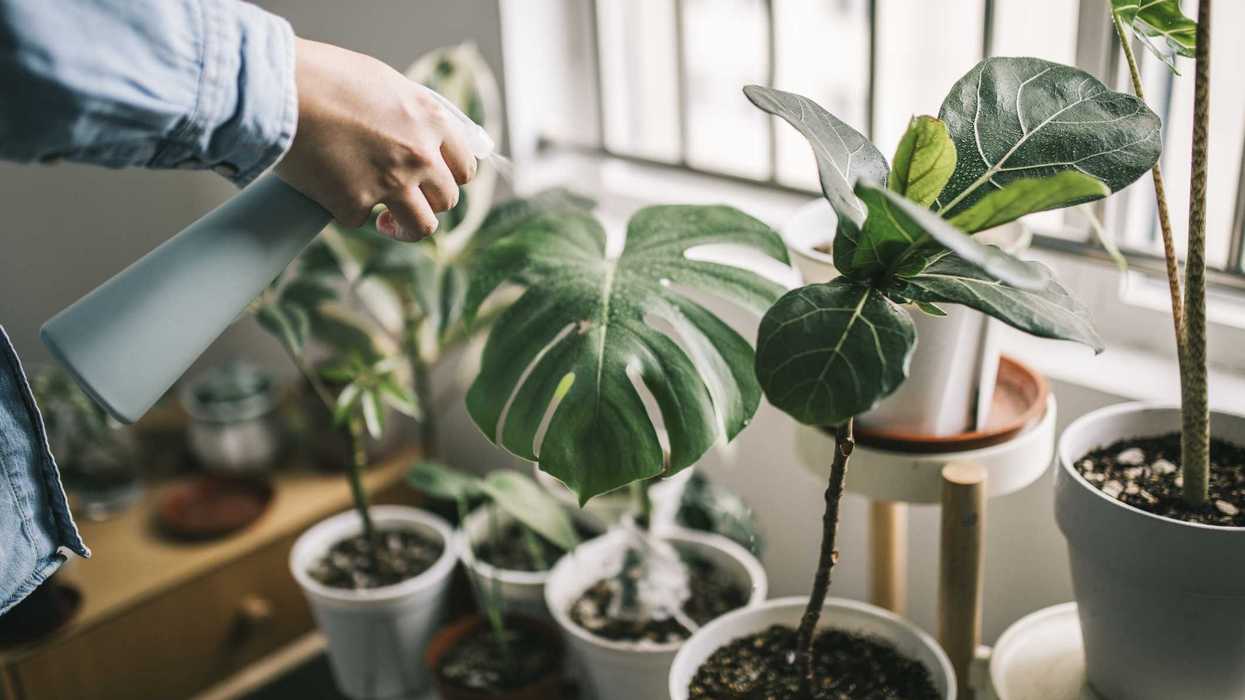
Many people live in urban areas with limited access to nature. Incorporating indoor plants is a practical solution. Indoor plants can help people reconnect with nature, just like being outside does.
I inherited a spider plant from my mother. It reminded me of her love and brought me comfort. I took good care of it, and it thrived. The plant also cleaned the air, making me realize it could comfort others, too.
According to a 2025 article in People and Nature by Grénman et al., connecting with nature enhances overall well-being. Imagine the joy of seeing vibrant green plants, trees, and flowers indoors or listening to a small waterfall at home or at work. Engaging with nature indoors can be a daily reminder of people's love for it and why they want to take care of the planet.
The Cala Saona House in Bali is a perfect example of a nature-filled space that evokes serenity. This house uses teak, local stone, and tropical plants to create a peaceful atmosphere. Tall palms and ferns fill the 30-foot-high ceiling, creating a tranquil atmosphere. Such spaces can inspire individuals to develop their own nature-infused environments.
In a 2025 Natural England publication, Kenyon et al. reported that immersing oneself in nature indoors improves both physical and mental health. Consider starting with a single indoor plant in your workspace or home. Even a single plant can improve air quality and enhance well-being.
Plants have the remarkable ability to absorb toxins from home furnishings. Spider plants and pothos absorb toxins through their leaves, reducing indoor air pollution. Spider plants can lower pollution by 60% in 80 minutes. One pothos plant lowers contaminants by 33% in 50 minutes. These plants are easy to grow indoors, improve air quality, and help reduce stress and anxiety.
Unfortunately, engineers need to conduct further studies to determine the types and numbers of plants needed to create optimal health-promoting environments. Solving these issues is key to improving personal health and motivating climate action.
Transform your living and working space by incorporating natural elements. Start with one easy-to-care-for plant like a pothos and notice the difference it makes in your life.
The sustainability of the Winter Olympics—and our planet—depends on our individual and collective action against climate change.
Carole Rollins has been an environmental educator for 35 years, holds a Ph.D. in environmental science, and has taught environmental education at the University of California, Berkeley. Carole has received the White House Millennium Green Award and the National Endowment for the Arts Public Education and Awareness Award.