




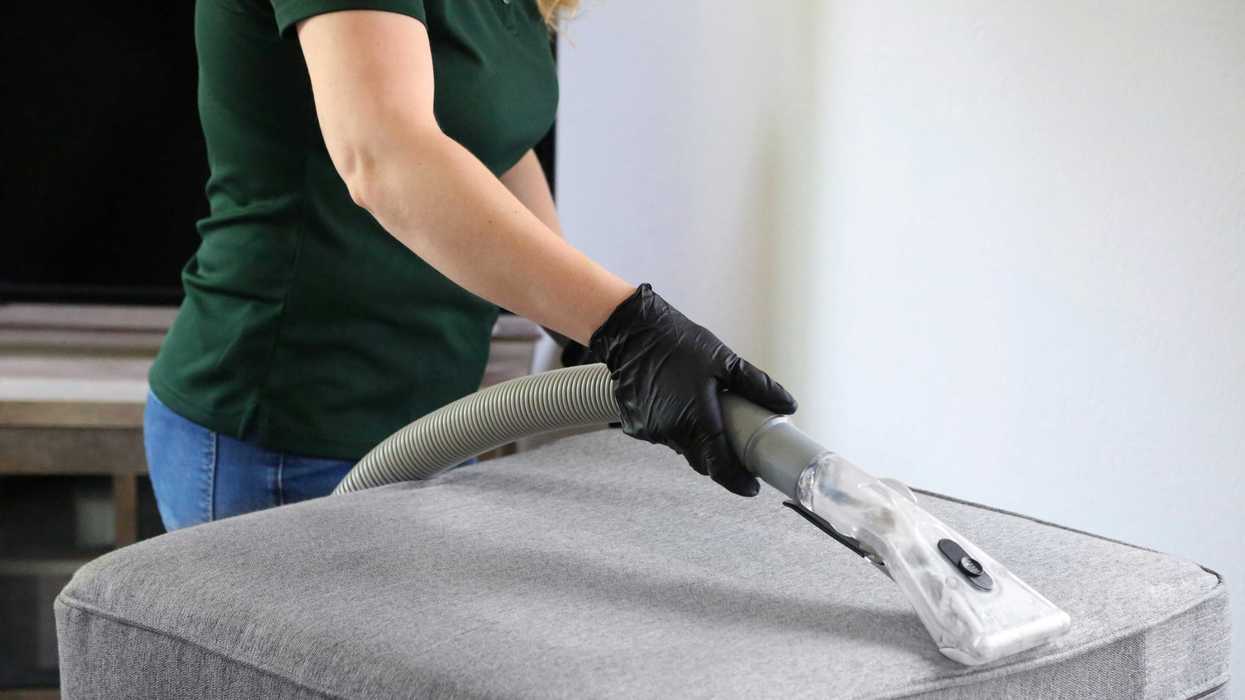

Since the birth of the United States, people have been dreaming of the American "Good Life."
This dream accelerated after the Industrial Revolution arrived in the U.S. in the 1800s. Innovative manufacturing practices integrated new technologies, lowering costs and spurring economic growth. As a result, millions of people gained access to affordable consumer goods. These changes improved living standards, making the dream attainable for more people.
As the nation celebrates its first 250 years, it’s time to examine the overall impact of modern conveniences on Americans’ quality of life.
However, these advancements also have unforeseen consequences. Mass production of household goods reduces manufacturing costs, making products more affordable. Unfortunately, researchers have found that some components of some products are toxic to human health.
Industrial manufacturing decisions prioritize cost and efficiency to drive strong consumer demand. Manufacturers often overlook potential health risks to keep prices low.
People often choose products that emit toxic pollutants indoors without realizing the harm they can cause. The fact that these chemicals build up in the body and cause long-term health problems is a troubling irony of modern life.
Initially, modern products seemed useful and convenient. Later, researchers found that many household goods
emit vapors or particles that pollute indoor air.
Unlike outdoor pollutants, which people can see or smell, indoor pollutants are invisible and odorless. Kumar et al. conducted a study on indoor air quality, reporting that it can be up to 10 times more polluted than outdoor air.
Each year, there are an estimated three to five million premature deaths linked to indoor air pollution worldwide. This issue poses a significant health crisis that demands urgent attention.
These global findings became personal to me. I learned that household contaminants might have caused my cancer and the loss of my kidney. This experience showed the urgency of addressing these risks.
Indoor air contains highly toxic heavy metals. Even in small amounts, these elements—such as mercury, cadmium, and lead—do not degrade. Once inhaled, ingested, or absorbed, these metals accumulate in vital organs. This buildup causes serious health problems like cancer, kidney damage, and immune dysfunction.
New research examines how toxins, including heavy metals, interact with human biology. Dr. Bruce Lanphear explains that chemicals can disrupt the body’s master switches—key regulatory mechanisms. These disruptions trigger biological reactions, causing chronic diseases like heart disease, stroke, and cancer.
Common household products expose people to dangerous heavy metals. Mercury, a liquid metal at room temperature, is a contaminant in seafood and cosmetics. Batteries and various foods also contain cadmium, which is another toxic metal.
Industries release 5.4 million tons of lead annually. Although lead is a toxic metal that contaminates air, food, and water, it is still used to make some jewelry and toys. This widespread exposure causes an estimated $50 billion in annual health-related costs. According to the National Library of Medicine, no level of lead is safe.
The U.S. federal government regulates heavy metals such as mercury, cadmium, and lead by setting toxicity thresholds. But these limits ignore the immediate and long-term health risks of low-level exposures. Current rules don’t stop health and economic harm. Americans need strict bans on these materials to protect future generations.
Individual consumer choices must drive the push for bans on these toxic metals. Consumers must demand a shift away from products containing heavy metals. By doing so, Americans can force manufacturers to adapt even before federal regulations take effect.
A personal commitment is essential to make these stricter policies work in practice. Choosing non-toxic household products reduces daily exposure to these dangerous substances.
When I replaced my carpet, I found many companies offering non-toxic materials and padding. I chose a healthy carpet option with no chemical smell after installation. My experience showed that safe alternatives are widely available. I plan to continue this transition by using non-toxic coatings when I resurface the wood floors throughout my home.
Recent research shows that living in a greener environment lowers the risk of heart disease and mental health issues. Using natural elements indoors can also reduce stress, improve mood, and enhance thinking skills.
To improve personal health and environmental sustainability, people should reconsider their consumer habits. Consumers can choose natural, sustainable fibers such as bamboo, jute, and hemp for flooring, carpets, and drapery.
The market for eco-friendly furnishings is growing as people seek healthier options. Consider researching and investing in non-toxic brands that prioritize personal and environmental health.
Replacing all toxic items in a home at once can be expensive. Instead, replace toxic products with natural alternatives one at a time. Bamboo comforters and bath towels, jute welcome mats, and hemp pillows are all excellent, sustainable options.
Americans must understand the risks of indoor pollution and embrace sustainable choices. Everyone can live the "Good Life" by redefining the American Dream for future generations.
Carole Rollins has been an environmental educator for 35 years, holds a Ph.D. in environmental science, and has taught environmental education at the University of California, Berkeley. Carole has received the White House Millennium Green Award and the National Endowment for the Arts Public Education and Awareness Award.












The President Invited Iran to Bomb My Home