


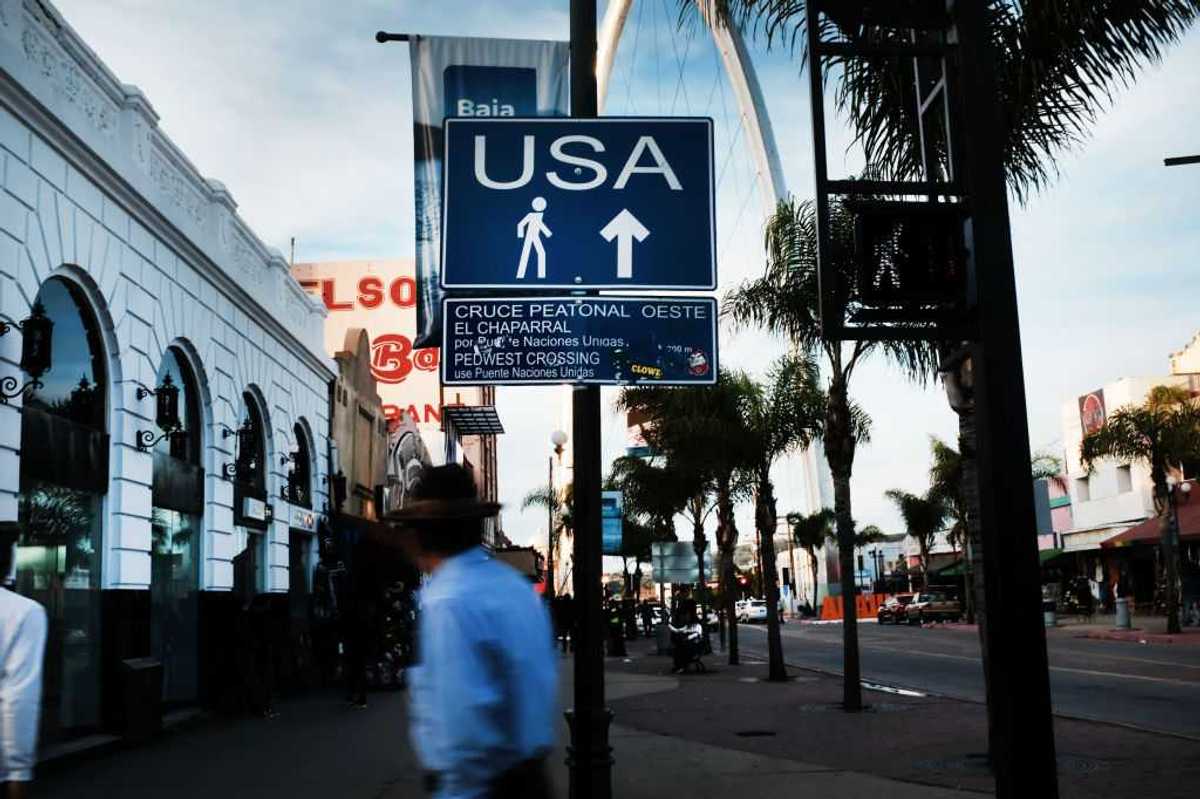

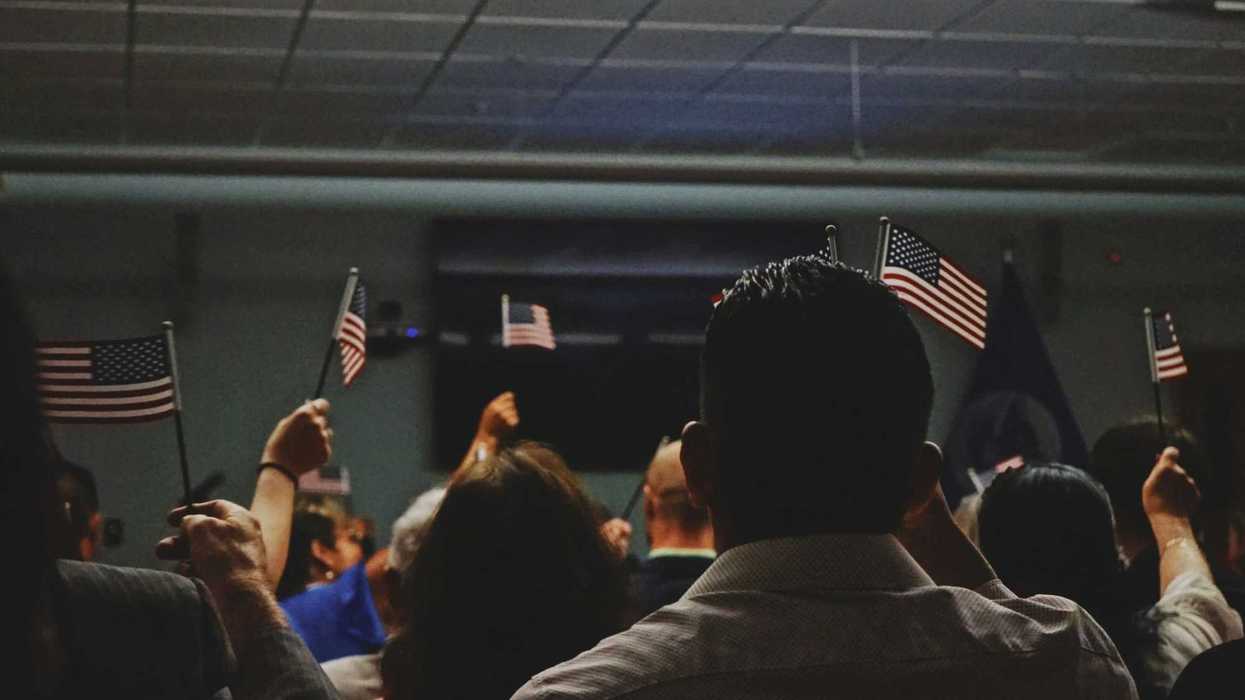

Seven months ago, I attended the first day of my Reporting on Race class at USC. Taught by journalist and immigration reporting expert Jean Guerrero, the course offered growth I hadn’t yet imagined, showing me how much I could evolve as a journalist in just one semester.
For the next five months, I researched and reported on an immigration story of my choosing. I wrote about how educators in Los Angeles protect and advocate for students and communities living in fear of ICE deportations. These educators organized community street patrols to keep their neighborhoods safe. Finding sources and producing the final draft took months, but it was one of the most rewarding experiences of my journalism studies so far.
This project taught me the technicalities of immigration reporting, but more importantly, it taught me to treat these stories with the care and attention they deserve. I learned how to ensure that my sources’ perspectives were shared in the most ethical way possible.
Ethical, personal immigration reporting highlights immigrants’ experiences for the public, helping individuals feel more seen and protected.
Long before I started my piece, journalists across the country had reported on thousands of immigration stories, particularly after President Trump began his second term in office.
With the rise in ICE activity in neighborhoods across the U.S., journalists and media outlets have taken various approaches to sharing immigrant stories.
Journalism has played a vital role in documenting ICE sightings, arrests, and deportations, placing an immense responsibility on the media to inform the public about these events accurately.
Understanding how to tell these stories ethically is essential to avoid perpetuating stereotypes or spreading misinformation.
Despite prevalent misconceptions, ethical and accurate reporting on immigrant communities can counteract negative impacts and foster empathy.
Reporting that fails to account for the personal experiences of immigrants can have serious repercussions on a source’s mental and physical health, as well as their ability to live a normal life.
Widespread reporting that relies on tropes or fails to consider authentic perspectives can lead to lasting harm.
The American Civil Liberties Union reported three ways the media can introduce bias into immigration reporting, often depicting a harmful and untrue image of immigrants. Examples include paid political ads that fearmonger about the border, the over-publicization of violent border imagery, and a hyper-focus on border crossings at the expense of stories about immigrants already living across the country.
The Lenfest Institute for Journalism noted that newsrooms themselves are navigating these challenges. They offer a list of strategies to help journalists avoid the pitfalls identified by the ACLU and better serve immigrant communities.
Ultimately, bias and discrimination have long influenced immigration reporting, often sidelining the individual stories of those living in constant fear.
Immigration reporting is neither easy nor simple. It involves complex layers and risks that many readers may not realize. A primary concern for journalists is the potential danger these stories pose to vulnerable sources.
Journalists must grapple with difficult questions: when to provide anonymity, how to protect a source’s workplace, and how to safeguard their identity.
Despite these risks, potential threats can be minimized if the reporting process is handled correctly. By prioritizing accuracy and care, it is possible to protect a source while ensuring their story is heard.
Immigration reporting involves real lives and families. When approached correctly, a journalist can bring awareness to these issues without putting their sources at risk.
Despite the surge in reporting over the last few years, there are always opportunities to improve how news organizations share these sensitive stories with the public.
5 ways to make immigration reporting more ethical:
- Provide sources with the information they need to give informed consent. Many immigrants have no experience speaking to the media; it is a journalist’s responsibility to explain the implications of having their name associated with a story.
- Offer anonymity to especially vulnerable sources. In consultation with editors, journalists should allow sources to speak on the record anonymously when appropriate. This protects a source’s identity while still allowing their story to reach the public.
- Hold news outlets and journalists accountable. Reporters and media organizations should be held to high standards of sensitivity and accuracy, ensuring they do not endanger sources.
- Seek out stories overlooked by mainstream media. Local stories in neighborhoods, schools, and businesses often reflect major topics like immigration. Localizing these issues brings more personal perspectives to the forefront.
- Diversify storytelling platforms. Beyond print and television, social media is a powerful tool for keeping both the public and immigrant communities informed about ICE activity. For example, L.A. Taco’s Daily Memo shares ICE sightings on Instagram and YouTube.
Ethical immigration reporting is essential for helping audiences understand the immigrant experience and making these communities feel heard. However, there is always room for improvement for both journalists and audiences.
There must be a collective effort from news publications to implement ethical strategies and pressure from the public to demand meaningful stories about the communities they care about.
I still draw on the lessons from my Reporting on Race class. What stayed with me most is that the most powerful stories often belong to those who haven’t yet shared their perspectives with the media—their voices are the ones that can truly shift the conversation about immigration in the United States.
Daniela Mattson is a Fulcrum Fellow, a bilingual multimedia journalist who prioritizes diverse storytelling in my reporting.
Beyond the Border: A New Standard for Ethical Immigration Reporting was first published by the Latino News Network and republished with permission.














The President Invited Iran to Bomb My Home