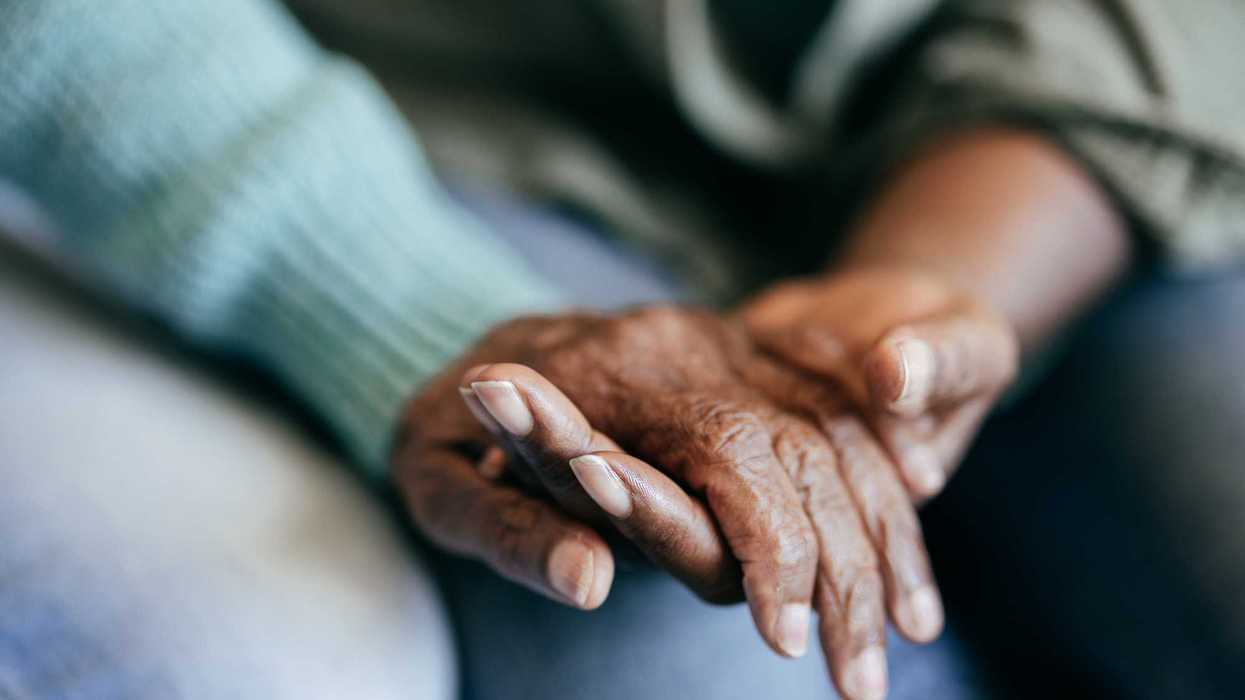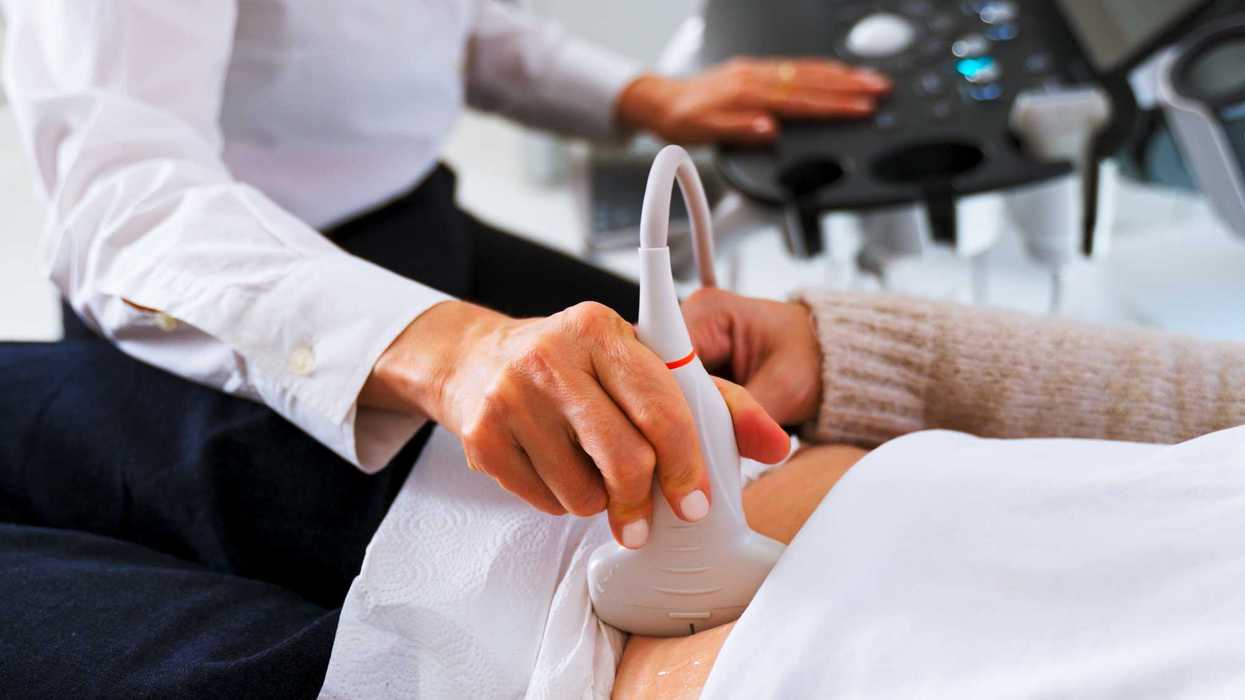



He was supposed to come in three months ago. When he finally returned to the clinic, it was not for routine follow-up. Instead, it was because he could no longer feel his feet, and his vision had begun to blur. He told us he had missed his appointments out of fear. Immigration enforcement activity in his neighborhood and rumors of Immigration and Customs Enforcement (ICE) near clinics made him afraid to be seen entering a healthcare space. So he stayed home. He rationed his insulin until it ran out. Now he sat before us with uncontrolled diabetes, worsening nerve damage, and worsening vision concerning diabetic retinopathy.
Stories like this are becoming increasingly common. In Minneapolis, recent ICE raids have sent shockwaves through immigrant communities, with reports of enforcement agents present in or near healthcare settings, including exam rooms. Families describe being too afraid to leave their homes, even to see a doctor, or choosing the most ill child to bring to urgent care because bringing multiple children would be too risky. Clinics meant to serve as places of healing are being transformed into sites of fear.
What is unfolding in Minneapolis mirrors what we are witnessing in Chicago, one of the largest academic medical center hubs in the nation. As medical students training here and volunteering in free clinics such as the Community Health Clinic, we see the consequences firsthand. Patients delay care not because they do not value their health, but because the perceived legal and personal risks of seeking care feel too high. People arrive later and sicker, carrying advanced disease alongside the psychological trauma of living under constant threat.
It is proven that fear and perceived risk not only suppress health-care utilization but also worsen health outcomes. Studies have identified that the threat of immigration enforcement is associated with reduced access to health services among immigrant populations, regardless of health insurance status3 . Clinicians who work with immigrant communities have reported significant disruptions in the care and management of their patient population, which has been directly attributable to fear of deportation. Decades of health services research clearly demonstrate that any avoidance or delay in care, due to barriers related to fear, is directly associated with worsened disease presentation. At the end, the avoidance of care due to fear leads to more costly and emergency treatments with worsened clinical outcomes. Fear from immigration enforcement is no different than fear from other barriers, as poor outcomes are always inevitable.
National immigration enforcement policies have reshaped healthcare spaces, driving delayed care, worse outcomes, and increased emergency department utilization5,6. At our clinics, patients present with complications that could have been prevented or better managed. These are not failures of individual responsibility. They are predictable consequences of policies that push patients away from care.
As future physicians, we are already inheriting the clinical fallout of today’s immigration policies: diseases diagnosed too late, trust eroded before a patient ever enters the exam room, and preventable harm shaped by fear rather than biology. Our responsibility is not only to treat illness, but to recognize how policy becomes pathology. Ethical commitments to justice and nonmaleficence demand that immigration status never determine access to medically necessary care7.
A healthcare system cannot function if patients are afraid to walk through the door. When immigration enforcement creates conditions under which patients avoid preventive services, delay urgent care, or forgo treatment altogether, the result is preventable harm. No amount of clinical excellence can compensate for a system in which trust has eroded so profoundly that seeking care feels dangerous.
Physicians and future physicians must also speak up. We must practice trauma-informed, culturally responsive care, advocate within our institutions, and name what we are witnessing in our clinics. However, the responsibility cannot rest solely on individual clinicians. Chicago is home to some of the most influential health systems, not just in the Midwest but in the entire country, and dozens of national medical organizations whose voices shape health outcomes. When these institutions remain silent or issue vague, noncommittal statements, they allow fear to flourish. Hospitals are not just sites of care; they are consequential actors with the power to affirm that healthcare spaces are safe for everyone. Institutional silence, like individual silence, carries consequences and undermines the very mission of medicine. Silence is not neutrality; it is complicity.
Change is still possible. The 2026 midterm elections offer an important opportunity for the public to treat immigration policy as a referendum. The people must decide whether we tolerate a system in which fear-driven enforcement undermines public health or we, the people, demand policies that allow people to seek care without risk. The election might seem far away at the end of the year, but both physicians and future physicians must begin advocating for healthier communities now.
If we want healthier communities, we must begin with a simple truth: patients cannot heal in systems where they do not feel safe. Healthcare must remain a place of refuge, not fear – for the patient who rationed his insulin, for the parent afraid to bring their child to an appointment, and for the communities watching clinics become extensions of enforcement rather than care.
The Cost of Fear: What Immigration Enforcement Is Doing to Our Clinics was first published by the Latino News Network and was republished with permission.
Jessica Toledo is the daughter of Mexican American immigrants and a rising third year medical student in Chicago. She grew up witnessing health disparities in her family and community, which fueled her passion for health equity and advocacy; she now volunteers at one of Chicago’s largest free clinics serving underserved populations.
Joshua Samaniego is a second-year medical student in Chicago who grew up in Southern California in a household of Ecuadorian immigrants. He is interested in pursuing a career in orthopedic surgery while also working to address health disparities.
Dr. Susan Lopez is a first-generation, Mexican American hospital medicine physician at an academic medical center in Chicago. She also works with medical students at one of the largest student-run free clinics in Chicago.
Dr. Octavio Vega is a Mexican American primary care physician practicing at an academic medical center in Chicago.