




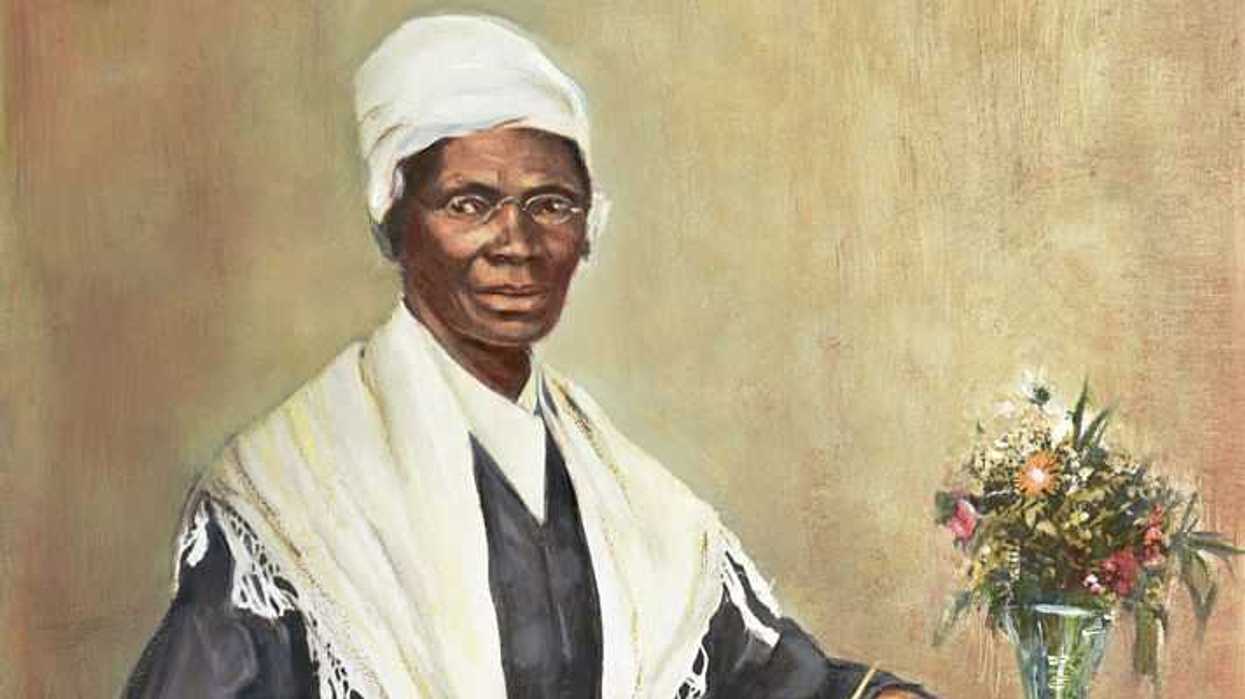

As the United States prepares to mark the 250th anniversary of its founding later this summer, there will be extensive celebration and reflection about our democracy and the values it embodies. But the 250th is not the only anniversary that should capture our attention. Indeed, our nation’s story is an evolution of moments built over time.
One of these building blocks occurred 175 years ago, in 1851, during the Women’s Convention in Akron, Ohio. There, on May 29th, Sojourner Truth delivered a legendary speech that called on attendees to reject the racial and gender biases used to limit her place in society and to defy a status quo that devalued her as a Black woman and treated her as invisible and expendable. Her speech is worthy of reflection today because it reveals an important story about how different people experience our democracy — and that story should inform how we build a more inclusive vision for our future.
Sojourner Truth’s life defied expectations. She was born into slavery in the North and later won her freedom, becoming an acclaimed speaker, preacher, and activist. In her speech to the Women’s Convention, she challenged the audience to see her for who she really was.
Truth spoke with clarity and conviction about the architecture of oppression that conspired to diminish her. She proclaimed that her experiences, abilities, and humanity merited the same respect and dignity afforded to men and to white women. She pushed back on the infrastructure of inequity — the systemic barriers rooted in stereotypes and false narratives erected to limit her life — and argued that advancing women’s rights and autonomy required our society to tear down these barriers. And she spoke about the futility of denying progress to women and Black people, arguing that such gains would not be a threat but a reflection of collective progress.
Her words still resonate. Although our modern fights are different, many of the same underlying issues remain — entrenched biases, efforts to limit women’s roles and rights, attacks on women’s autonomy, and attempts to raise doubts on women’s abilities, especially those of Black women. We can learn much from her wisdom.
In 2026, people in power are still trying to deny opportunities to women. This includes officials in the Trump administration questioning the skills of women serving in the military, or President Trump’s repeated attacks on the qualifications of high-profile Black women. Just like Truth, we must be willing to call out inequity and discrimination and reject outdated prejudices and assumptions about women.
For too long, flaws in our democracy have excluded certain groups — like women and people of color — from full participation. We must support efforts to fill those gaps by protecting the infrastructure needed to expand civil rights for all. This work is even more important as the Trump administration has moved to dismantle longstanding safeguards and civil rights offices that were established to enforce the law.
Sojourner Truth refused to be defined by the stereotypes society tried to construct about her. We must follow her example and be vigilant in combatting false narratives and, instead, elevate women’s voices to tell their own stories. Too often, caricatures are deployed to justify unfair and unjust treatment. Policymakers defend draconian cuts to Medicaid by maligning the work ethic or honesty of low-income women, despite substantial evidence to the contrary.
Even Truth’s speech fell victim to apparent inaccuracies as it was retold over the years. The phrase most often attributed to her — “Ain’t I a Woman” — was added years later in a version produced by a white abolitionist. The wording crudely mimicked a Southern dialect and syntax attributed to a slave, even though Truth was from the North, perhaps to fit a preferred profile rather than Truth’s reality. Confronting these kinds of distortions is part of the larger work of reckoning with the contradictions at the heart of our country’s history.
The story of America is the story of our 250-year struggle to create a more perfect union. Sojourner Truth’s words, delivered 175 years ago, tell an important part of the story that too often gets overlooked — hard truths about where we have fallen short, but that offer a pathway for progress.
Sojourner Truth was clear-eyed about the strengths and weaknesses of our American democracy and fought for something better. Achieving that something better is deeply connected to our ability to learn and not run from or obscure our past. To make progress, we must be clear about who we are, who we have been, and where we need to go to forge a new direction and fight for a better future for all.
Jocelyn Frye is the President of National Partnership for Women & Families.












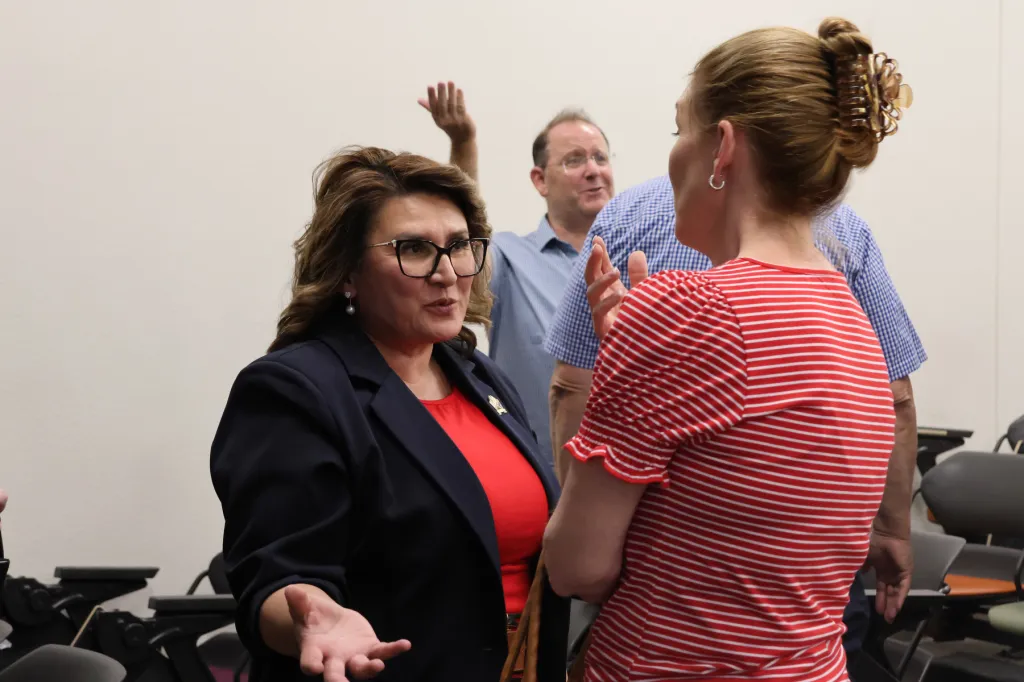 Congressional candidate JoAnna Mendoza has leaned into her working class background as she runs for a seat in the U.S. House to represent Arizona’s 6th congressional district. (Courtesy JoAnna Mendoza campaign)
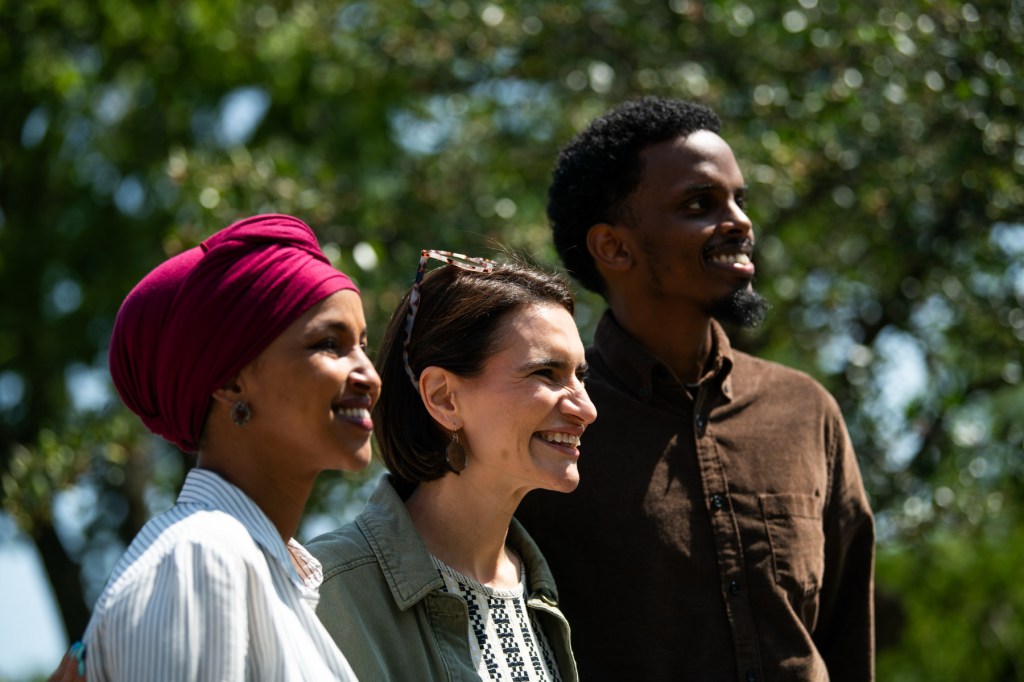 Politicians who come from working class backgrounds, like Minnesota Lt. Gov. Peggy Flanagan (center) and Minnesota state Sen. Omar Fateh (right), are resonating with voters during a particularly challenging economic period. (Stephen Maturen/Getty Images)
The President Invited Iran to Bomb My Home