



Recently, I sat in my museum’s annual public programming meeting, expecting the usual work of dreaming up the next year: what our community needs and what children deserve. But when Florida’s anti-DEI measure, SB 1134, came up, the room shifted from possibility to fear.
That meeting is usually the best part of our jobs. This time, however, the conversation turned to risk: what would become too dangerous to defend and what would be dropped before anyone even had to tell us to drop it. One of our managers finally said, “Culture is dead.” What I heard was more precise: culture is not dead. It is being killed.
When our history is wiped from the very institutions that are supposed to teach us who we are, we are cutting children off from the stories that should anchor them. Florida has a long history of this—from the Ocoee massacre in 1920 to Rosewood in 1923. This country has long known how to attack what gives marginalized people strength, from the federal boarding school system for Native children to today’s censorship.
And museums need to decide, right now, who we are in this moment.
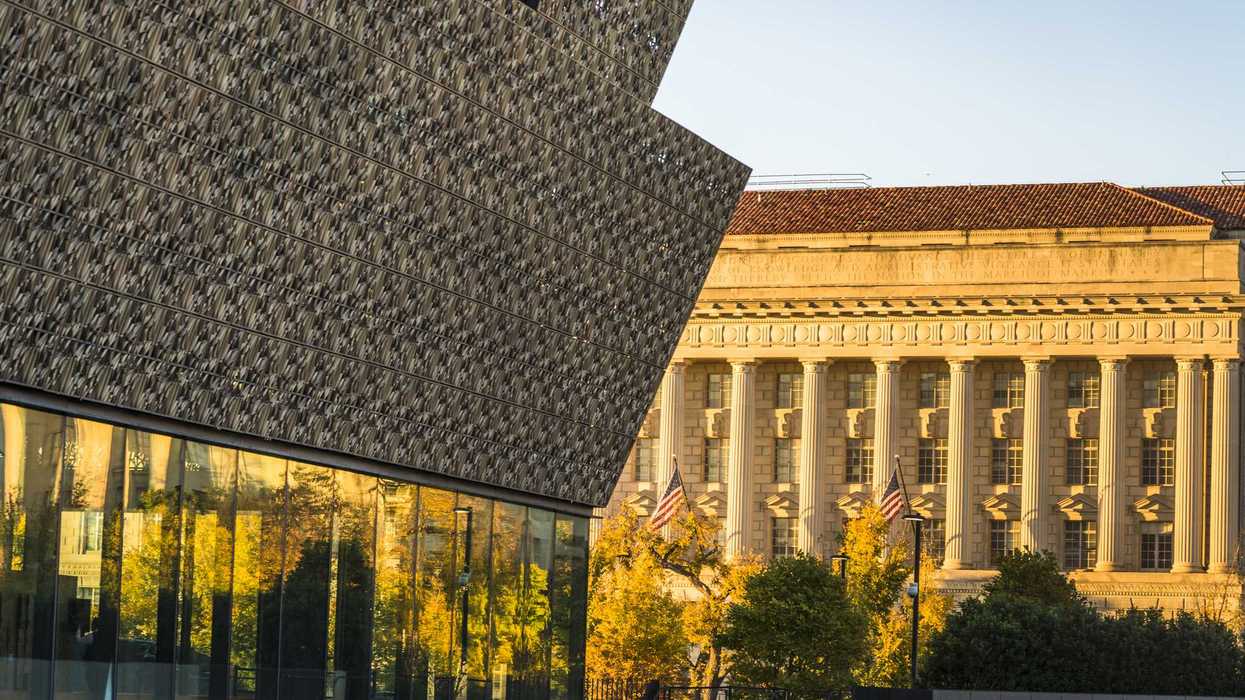
The threat is no longer theoretical; it is a documented federal and cultural campaign. In March 2025, the Trump administration issued an executive order targeting the Smithsonian Institution, accusing the National Museum of African American History and Culture (NMAAHC) of promoting a “race-centered ideology.” As reported by AP News, this order empowers officials to prohibit programs deemed to “divide Americans based on race,” essentially moving to sanitize the uncomfortable truths of slavery and Jim Crow.
The "so what?" of this issue is found in the physical removal of history. Recent reports from NBC4 Washington confirm that artifacts like an 1880 book by Rev. George Washington Williams and a Dr. Martin Luther King Jr. Bible were returned to their owners following federal pressure on the NMAAHC. While some cite routine loan rotations, the timing fuels a broader climate of fear. When oversight turns into censorship, it undermines the public’s right to know the full history of racial injustice.
This impact ripples outward. Museums like the National Civil Rights Museum at the Lorraine Motel, though not under federal control, are now battling donor withdrawals and school district hesitancy to host visits. Corporate sponsors are increasingly avoiding “controversial” history to escape political blowback. As a result, we are seeing reduced attendance and program eliminations that strip communities of their "truth-tellers."
As someone in museum education, I worry most about the human cost. I have seen what happens when a child recognizes themselves in history. So when I ask what museums should do now, the answer is simple: tell the truth, protect the educators, and stay accountable to the communities we serve. A history museum that cannot tell history honestly is no longer doing its job; it is just storage. If, in the name of being “nonpartisan,” museums retreat from their responsibility, they become just another venue where fear wins.
Protecting our nonpartisan role does not require silence. It requires honesty. Reflecting the full reality of our communities is not a political act; it is public service. Museums cannot just issue careful statements. They have to fight for inclusive education in public and with legislators. If museums want to call themselves civic institutions, this is the moment to prove it.
Once an institution shows what it will surrender under pressure, the public believes it. We have already seen the consequences of following political winds. After Target scaled back parts of its DEI agenda in January 2025, it faced a massive boycott. Reuters later reported that the backlash hurt sales while the company's market value plummeted. This should be a warning to every museum: when you abandon the people who trusted you, the cost is not only moral—it is public, reputational, and financial.
We cannot celebrate culture when it is marketable and abandon it when it becomes politically inconvenient. History will remember who stood as a community anchor and who became an accomplice to erasure. Our museums are resilient, but they cannot stand alone. They belong to us, and it is our responsibility to ensure they remain the truth-tellers our nation desperately needs.










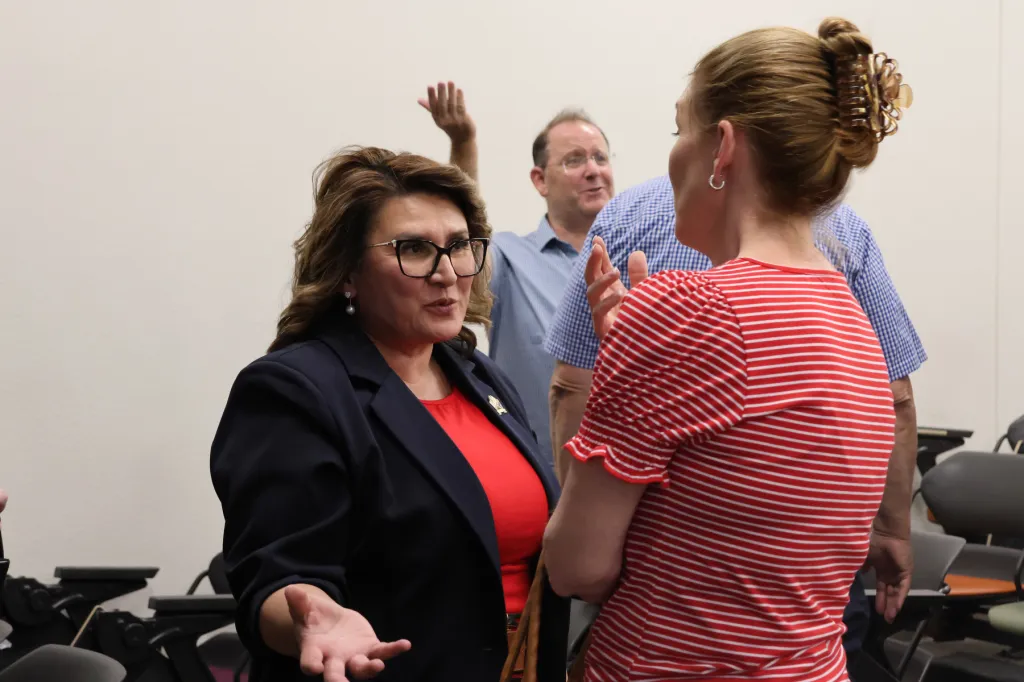 Congressional candidate JoAnna Mendoza has leaned into her working class background as she runs for a seat in the U.S. House to represent Arizona’s 6th congressional district. (Courtesy JoAnna Mendoza campaign)
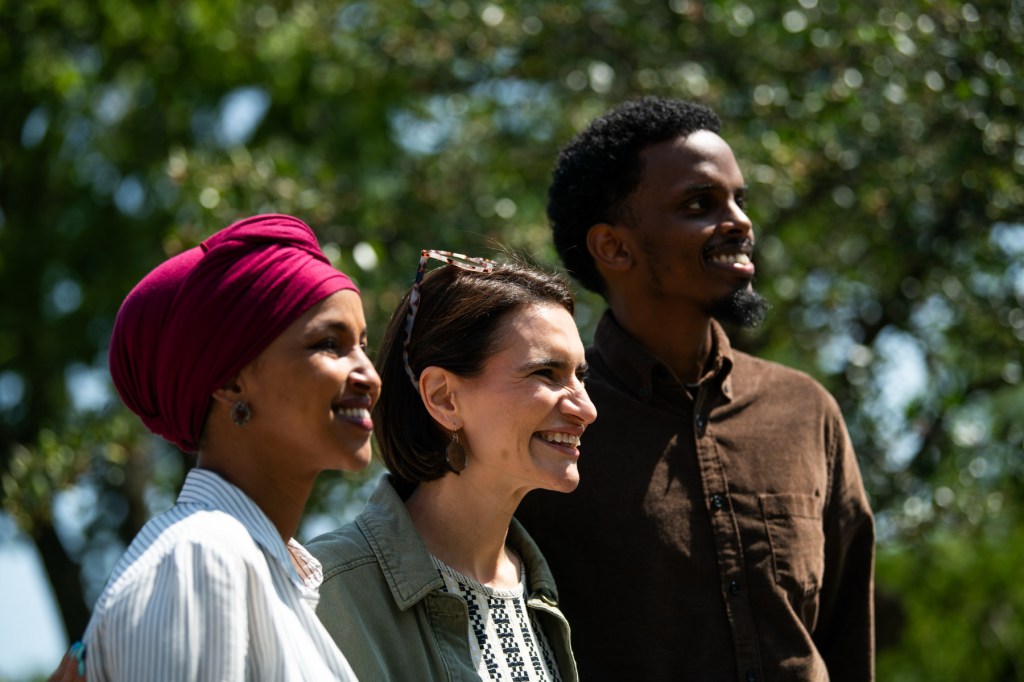 Politicians who come from working class backgrounds, like Minnesota Lt. Gov. Peggy Flanagan (center) and Minnesota state Sen. Omar Fateh (right), are resonating with voters during a particularly challenging economic period. (Stephen Maturen/Getty Images)
The President Invited Iran to Bomb My Home