

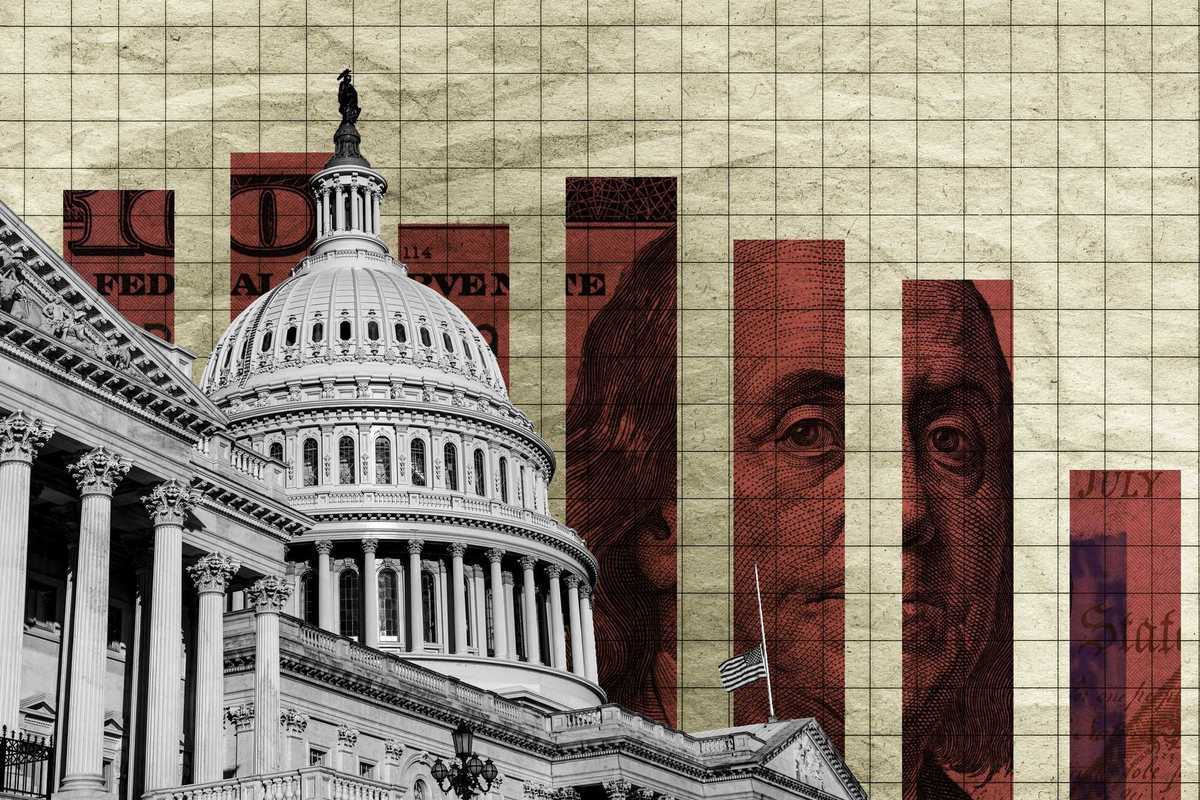



Americans are exhausted by the news. National surveys show that nearly two-thirds of adults feel “worn out” by the amount of news they encounter, and a large share now actively avoid it — a number that rises to nearly half among young adults. The reasons are consistent: the news feels too negative, too overwhelming, and too hopeless. Many say it affects their mood, increases their stress, and leaves them feeling powerless.
I see this in my own life. Family members, friends, and former colleagues who once followed the news closely now turn away from television and cable coverage altogether. My own sister in Virginia is among the statistics. She tells me the news cycles became unbearable — a constant stream of “what is” and “what should be,” delivered with urgency but without clarity, context, or any sense of what might actually help. The result was emotional exhaustion, not understanding. She is not alone.
Recently, I met a woman who is living with three other adults in a single apartment because the cost of housing has become impossible to manage on her own. She explained that even if she could find a place she could technically afford, the utilities, food, insurance, and basic living expenses would push her past the breaking point. Her story is not unusual. It is the quiet reality for millions of Americans who are working, struggling, and still falling behind — and who see little in the news that reflects their daily lives or offers any sense of what might change.
Americans know the problems. The news cycles remind us constantly, and our circumstances remind us every day. We don’t need another headline to tell us that housing is unaffordable, healthcare is out of reach, or groceries cost more than they did last month. We live it. What we rarely see are the solutions — or even the attempts at solutions — that could help us understand what might change. Citizens deserve reporting that not only warns them about what threatens their well‑being, but also shows them what is being done — and what they can do — to strengthen their communities.
The late Representative John Lewis offered a moral compass for moments like this. He reminded us that, “When you see something that is not right, not fair, not just, you have to speak up. You have to say something; you have to do something.” The statistics speak for themselves. The question now is: what will we do?
The framers of the Constitution understood the danger of an uninformed or misinformed public, which is why they embedded the First Amendment into our founding document. By protecting a free press, they envisioned journalism as a public service — a safeguard that would help citizens see clearly, participate fully, and hold power to account. The press was never meant to be a source of constant despair; it was meant to be a conduit for understanding.
Yet today, many Americans feel the press no longer serves that purpose. They see a system that highlights conflict but rarely progress, that exposes failures but seldom examines responses, that overwhelms rather than informs. When the news becomes a source of stress instead of clarity, people disengage. And when they disengage from news, they disengage from democracy. When people tune out, they miss the very information they need to make informed decisions — and a Republic cannot function when its citizens are uninformed.
At the same time, our newsrooms do not reflect the communities they serve. Surveys of newsroom diversity show that a large majority of journalists are white. Black, Latino, Asian, and Indigenous reporters remain significantly underrepresented, especially in leadership roles. Young adults of color — who make up some of the most civically important and culturally dynamic communities in the country — rarely see themselves as storytellers, problem solvers, or trusted narrators of their own neighborhoods. When people do not see themselves in the news, they understandably question whether the news sees them.
But there is a path forward, and it begins with how we train the next generation of journalists.
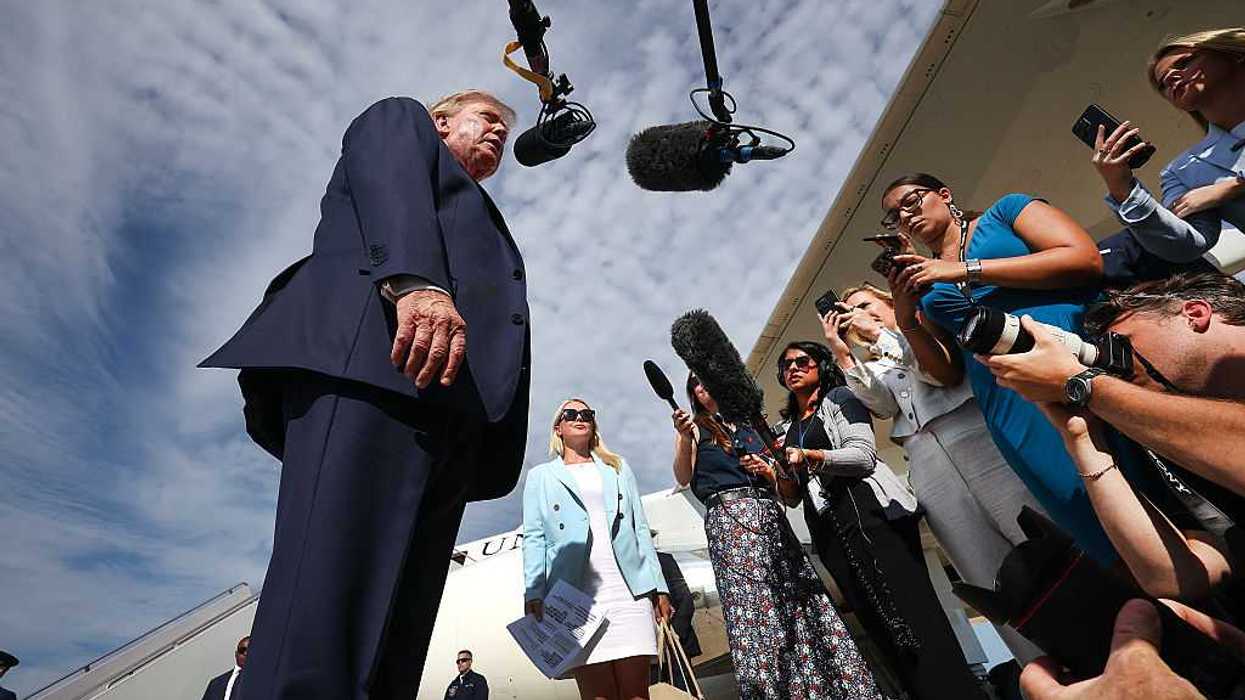
We can change the way we report the news. Solutions journalism is a rigorous, evidence‑based approach to covering how people are responding to social problems — not just what’s broken, but what’s being tried, what’s showing promise, and what can be learned. Instead of asking the President to defend failures or trade blame, a solutions‑focused reporter might ask: “Mr. President, what specific evidence can you point to that your current economic policies are reducing the cost burdens Americans face in housing, food, and utilities — and what additional steps are you prepared to take if those measures are not producing the intended results?” This kind of question doesn’t invite outrage or evasion. It invites clarity. It gives the public something they rarely get: a way to understand what’s working, what isn’t, and what might come next. Research shows that solutions‑focused reporting increases audience engagement, strengthens constructive public discourse, and empowers communities by highlighting responses that can be replicated or improved.
In my own experience writing opinions, I’ve seen how readers respond when we shift from despair to possibility. People are hungry for stories that illuminate not only the challenges we face, but the people and institutions working to address them. They want reporting that helps them understand how change happens — and how they can be part of it.
Imagine a national pipeline that trains young adults — especially recent high school graduates from Black, Latino, Asian, Indigenous, and immigrant communities — to become solutions‑focused reporters. Imagine equipping them with the tools to investigate community responses to issues like housing, education, public safety, and health. Imagine giving them the mentorship, newsroom partnerships, and publication platforms they need to tell stories that strengthen civic trust rather than erode it.
Young adults are already natural observers of their communities. They see the gaps, the innovations, the quiet successes. What they lack is access: access to training, access to newsrooms, access to the belief that their voices matter in shaping public understanding. A solutions‑focused journalism program for young adults would do more than diversify the field. It would change the field. It would produce reporting that reflects lived experience, highlights community problem solvers, and offers the public a fuller picture of what is possible.
If we want to rebuild civic engagement — and strengthen democracy in the process — we need to invest in a new model of journalism training. That means creating programs that teach rigorous reporting and verification while centering evidence‑based storytelling about how communities are responding to challenges. It means building real pathways for underrepresented young adults to enter journalism, not as tokens but as contributors whose lived experience deepens the public conversation. It means retraining current journalists in solutions‑focused methods so they can examine not only what is broken, but what is being repaired — and why.
This is not about softening the news. It is about strengthening it. At a time when democracy feels fragile and trust feels scarce, we need journalism that helps people see themselves not as spectators to decline, but as participants in progress. Training a new generation of diverse, solutions ‑focused reporters is not just an investment in journalism. It is an investment in the country. And it is one we cannot afford to postpone.
Carolyn Goode is a retired educational leader and former adjunct professor. She writes about civic responsibility, democratic engagement, and the role of journalism in strengthening public understanding.