



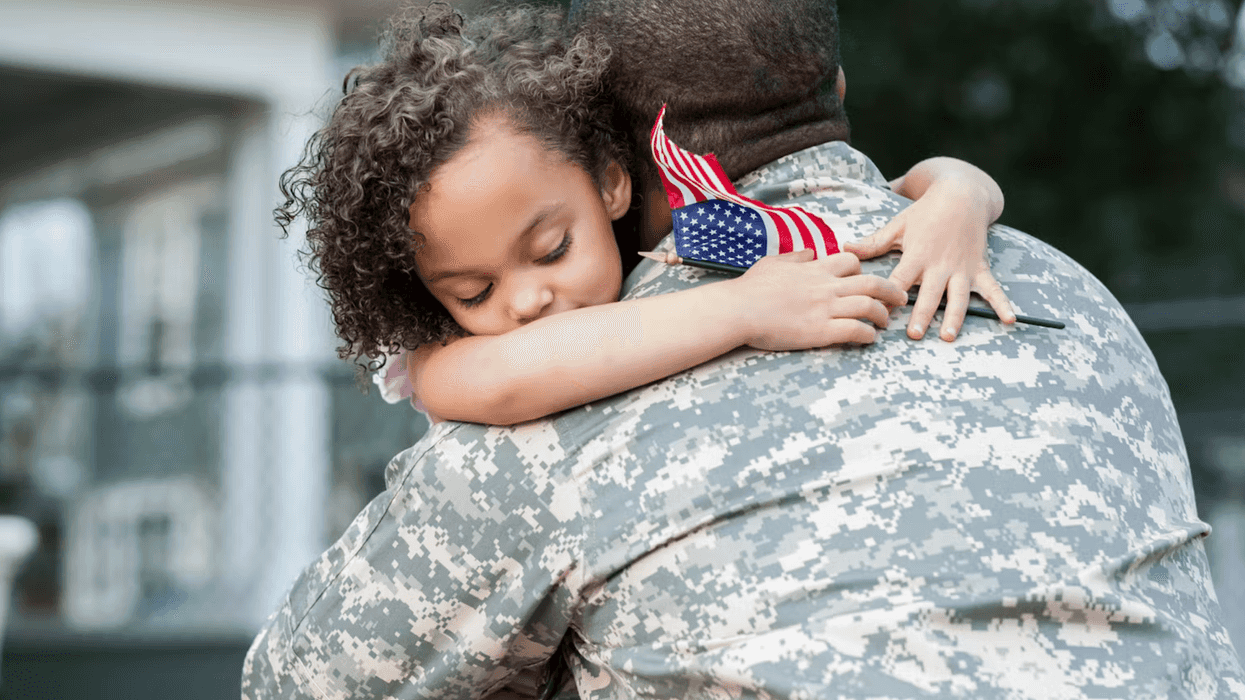

Memorial Day is an apt time to reflect on the long-term consequences of war. Among them are substance use, mental health problems, homelessness and jail time for those who served in the military.
About 8% of all Americans in prisons or jails are veterans, according to the Council on Criminal Justice, a nonpartisan think tank. Veterans end up incarcerated largely because of substance use and mental health disorders, both of which also contribute to homelessness.
For more than 15 years, one tool for helping veterans break out of addiction has been Veterans Treatment Courts. These programs help veterans accused or convicted of crimes address the challenges driving their involvement in the criminal legal system.
Veterans Treatment Courts require a dedicated clinician and need to provide access to counseling, housing support and other social services to meet veterans’ needs. For this, they must have funding from the government. As a legal scholar studying the use of criminal law to aid veterans, my research shows that these programs, which exist in every state except Connecticut and Vermont, can be very effective. But they only work when they have the staffing and the resources to support veterans’ complex needs.
However, since 2025, massive staffing losses at the Department of Veteran Affairs as well as cuts to publicly funded healthcare such as Medicaid and Medicare, which are widely used by veterans, are making it harder for veterans to access healthcare.
What are Veterans Treatment Courts?
Veterans Treatment Courts are a subset of the drug treatment courts that were created by judges and criminal legal reformers beginning in 1988. These courts are an alternative to jail for people arrested or convicted for crimes that may be related to substance use disorders.
The idea was to allow courts to address the root causes of criminal behavior rather than simply punish people who committed crimes. Specialized treatment courts were soon developed to provide support for specific issues, such as mental health, or to groups accused of specific crimes, such as sex work.
- YouTube youtu.be / Veterans treatment courts aim to help people address the underlying issues that lead them to commit crimes.
In 2008, a judge in Buffalo recognized that veterans in his drug treatment court would benefit from support from other veterans and the comprehensive services from the VA. So he launched a distinct program just for veterans that soon received national media attention. Veterans Treatment Courts now operate in over 745 courthouses.
Eligibility varies across courts, but typically requires that the person have served in the military and that the crime they committed is not considered so serious that it deserves incarceration. While these programs are funded through a variety of sources, such as local and state governments, the federal government offers tens of millions of dollars every year for local courthouses to set up Veterans Treatment Courts.
Veterans Treatment Courts have a variety of requirements for participants. Once admitted to the program, participants must attend a hearing where they talk to the judge about how they are doing. They must also take drug tests and attend therapy appointments. They may also have to show that they have stable housing and employment and that they have performed community service or engaged in other activities that indicate they are connected to their communities and therefore at lower risk for substance use or criminal behavior.
If participants meet program requirements, they graduate. Graduation usually means some sort of legal benefit, such as dropped charges and fines or the termination of probation.
Resources are key to success
Advocates suggest that Veterans Treatment Courts are more effective than jail or prison in preventing people from committing new crimes, and that treatment courts in general cost less than incarceration. But studies on whether they help veterans more than alternatives such as drug treatment courts or a regular criminal court have been inconclusive.
My research shows that treatment courts, in general, are most effective if they have dedicated staff and access to services to address substance use as well as housing insecurity. That level of support is exactly what the VA provides.
Veterans with VA benefits not only receive outpatient and inpatient substance use treatment, but they are able to access federally funded education and housing support unavailable to most U.S. citizens. Even Veterans Treatment Court participants who are ineligible for VA healthcare benefit from the unique levels of public support and state-funded programs for veterans in the U.S.
All this gives Veterans Treatment Courts the resources to help their participants more than other treatment courts or regular criminal courts can.
 There’s a strong connection between veteran homelessness and incarceration. Spencer Platt/Getty Images News
A program under threat
Recognizing the connection between veteran homelessness and incarceration, the federal government has put millions of dollars into the VA to help veterans in the criminal legal system. Congress annually authorizes tens of millions of dollars to support VA clinicians working in Veterans Treatment Courts. In January 2026, Congress even created a new center dedicated to this goal.
However, despite this support, cuts to healthcare that is delivered by VA providers, as well as to publicly funded healthcare such as Medicaid and Medicare, present numerous challenges for Veterans Treatment Courts. Tens of thousands of VA employees have left the agency since President Donald Trump took office. This has lead to staffing shortages that undermine care for all veterans.
Staff stability is especially important for these programs’ viability and success. My research shows that funding cuts lead to high turnover and low morale. When the Department of Health and Human Services sent a notice canceling US$2 billion worth of funding in January 2026, treatment courts were scrambling to figure out how they could staff their programs. Though this money was restored, the cancellation showed treatment court staff that their work could end without warning.
Given that the country’s criminal legal system is already overburdened, enabling Veterans Treatment Courts to do their vital work does more than help veterans. In my view, this program also models how comprehensive social services can help people struggling with substance use disorders, mental health problems, housing insecurity and other challenges.
As people recover from past wars and return from ongoing conflicts, they will need the country’s continued investment to reintegrate and thrive.
Special Courts Helps Veterans Stay out of Jail – but Staffing Losses at VA and Cuts to Government Programs Are Threatening Their Work was originally published by The Conversation and is republished with permission.










The President Invited Iran to Bomb My Home