
Skip to content
Search

Latest Stories

Follow Us:
Top Stories

Bridge the Divide Part 5

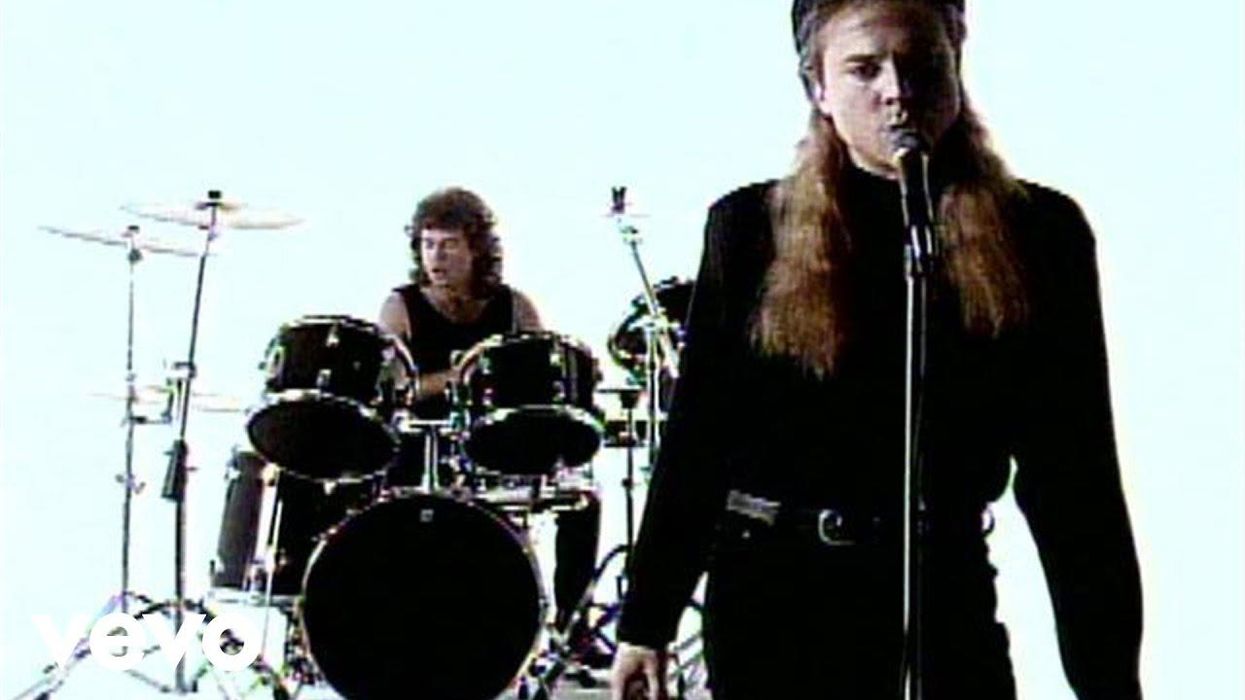
Rhythm Corps - Common Ground

This is the fifth in a five-part “ Bridge the Divide ” series that showcases efforts by artists to find common ground.

The Detroit-based alternative rock band Rhythm Corps reached its highest point on the music charts with “Common Ground.” In 1988, the song spent 17 weeks on the Mainstream Rock list and cracked the top 10.


The song begins:

Can we meet on common ground

Are our views so far apart

There's no room to be found

Can we speak without the sound

Of a world gone quite insane

Can we start settling down

I'll not play the scene where the

Threats start flying

You'll not have to scream

'cause we're not that stupid

Can we meet on common ground
https://www.youtube.com/watch?v=90Dt75MVtqw


Read More

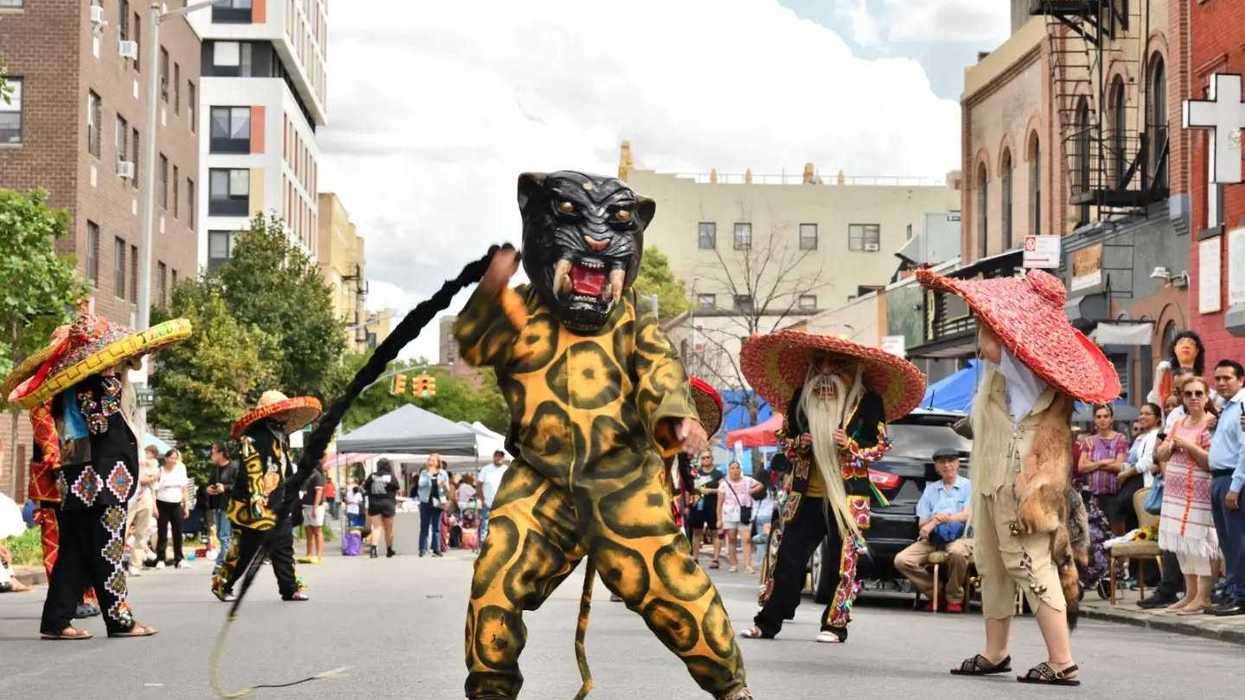
Independent film captures Latino immigrant life in Wisconsin

Miguel (David Duran) in an ice fishing tent with a strange local, Carl (Ritchie Gordon)/ Nathan Deming

Photo Provided

Independent film captures Latino immigrant life in Wisconsin

Wisconsin filmmaker Nathan Deming said his independent film February is part of a long-term project to document life in Wisconsin through a series of standalone fictional stories, each tied to a month of the year.

Deming said the project is intentionally slow-moving and structured to explore different perspectives rather than follow a single narrative. He said each film functions on its own while contributing to a larger portrait of the state.

Keep ReadingShow less
Hollywood Gets Congress Wrong—and It’s Costing America Trust in Democracy

Hollywood sign and The Capitol

AI generated picture

Hollywood Gets Congress Wrong—and It’s Costing America Trust in Democracy

The following article is excerpted from "Citizen’s Handbook for Influencing Elected Officials."

Since the 1970s, public trust in American institutions—including Congress—has steadily declined. Approval ratings for the House and Senate usually hover in the teens. Certainly, some misdeeds by our elected leaders have contributed to this decline, and mainstream national media can claim its fair share of “credit” in portraying Congress in a negative light. Yet another major ingredient in the ugly formula poisoning public opinion of Congress is Hollywood. Movies and TV shows routinely portray Congress as craven, corrupt, selfish, and completely indifferent to the public interest. Regrettably, this is a wholly incorrect portrayal of our nation’s legislators.

Keep ReadingShow less
More Artists Boycott Trump‑Renamed Kennedy Center

Musicians and dance companies are canceling performances in protest, adding to a widening backlash over political interference at the nation’s premier arts institution.

Getty Images, ntn

More Artists Boycott Trump‑Renamed Kennedy Center

The recent wave of cancellations by artists at the Kennedy Center underscores a broader and urgent question in contemporary society: the struggle between artistic autonomy and political influence. By withdrawing from their scheduled appearances, these artists are responding to the Center's controversial renaming by a new Board of Directors appointed by President Trump. This renaming, seen by many as politically motivated, has catalyzed a strong reaction. Earlier this year, at least 15 performers withdrew in protest. This forms part of a growing trend, with public resignations and statements from notable figures like Issa Rae, Rhiannon Giddens, Renée Fleming, and Ben Folds. They have all expressed concerns that the Center’s civic mission is being undermined.

More performers are visibly withdrawing from the Kennedy Center, with fan-favorite names disappearing from the roster. In recent weeks, news outlets have reported that more artists and groups have called off their upcoming shows. These include jazz drummer Chuck Redd, the jazz group The Cookers, singer-songwriter Kristy Lee, and the dance company Doug Varone and Dancers. Fans holding tickets now face the stark absence that mirrors these artists' discomfort with the renaming and what it represents politically.

Keep ReadingShow less