





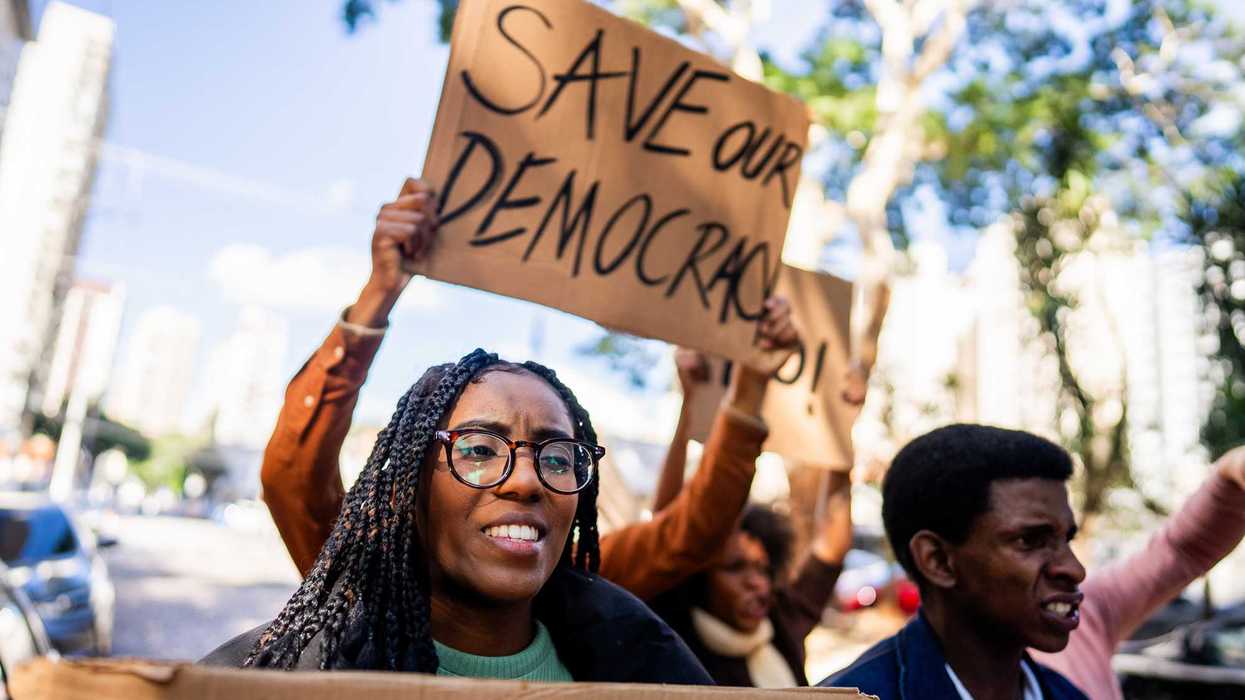
My wife sent me a beautiful quote from James Baldwin earlier this week, reminding me of the American ideal of "equal voice."
“Neither love nor terror makes one blind: indifference makes one blind.”
The quote made me pause. It wasn’t new to me, but it echoed something I had recently written in The Fulcrum and something I read months ago from F. Willis Johnson in the same publication. All three of us warn that democracies don’t fall apart all at once. Instead, they slowly erode when people stop paying attention. Even though our words are separated by decades, we share the same message: staying alert is key to keeping democracy alive.
In my own column, I pointed out that the real threat in our politics isn’t from people who speak out too much, but from the many who have become numb to what’s wrong. This numbness is just another word for Baldwin’s indifference—a quiet way of stepping back and letting others handle the work of citizenship. It’s what lets voter turnout drop, policies stall, and accountability slip away. To fight this, we need to get involved in our communities. Voting matters, but it’s only the start. We can join local groups, volunteer for causes we care about, or have real conversations with people around us. Speaking up at town halls or writing to our representatives helps make sure our voices count. By doing these things, we show that we’re committed to keeping democracy strong.
I also thought back to F. Willis Johnson’s April article, which resonated with many readers. He talked about another kind of numbness—the kind that hides behind paperwork and rules. While everyone focuses on national politics, he wrote, immigration agents quietly cancel visas, issue deportation orders, and change what speech is allowed, all without any public drama. Mahmoud Khalil. Rümeysa Öztürk. These are just a few of the many international students whose only “crime” was exercising the democratic values we say we support.
Johnson called this what it is: using the First Amendment as a weapon. It doesn’t happen through obvious censorship, but through the quiet work of bureaucracy. Officials claim no one is punished for speaking out, saying it’s just about paperwork. But this is misleading. The paperwork acts as a cover, hiding the real goal of silencing dissent. If you speak up too much or question the wrong things, your right to stay in the country can suddenly depend on staying quiet.
This is also what Baldwin warned about. Indifference doesn’t just blind us to suffering—it keeps us from seeing the quiet, polite ways repression can work. Baldwin said America can only live up to its promise if it’s willing to look at itself honestly and face hard truths. Johnson brings that challenge to today: America can only make a real difference if it looks closely at what being a democracy really means in everyday life, not just in words.
Johnson wrote that when we let bureaucracy silence people, we’re not just letting down those affected—we’re helping democracy fade away. Just look at voter turnout over the past twenty years: it’s dropped below 60% in national elections, showing how many people have checked out of the process. This aligns with Baldwin’s idea that the worst moral failures stem from those who choose not to care. It also reflects my own worry that too many people have become numb to what’s wrong and are too willing to watch from the sidelines as democracy weakens.
So when I read Baldwin’s quote this week, it felt like another part of a bigger story—a story about how democracies don’t fail because of big, dramatic events, but because of growing indifference. It happens when we quietly accept things we shouldn’t and assume someone else will speak up or defend the values we say matter.
As we head into 2026, Baldwin, Johnson, and our recent history all point to one message: before moving forward, take action. Text two friends about the next local meeting or about going to a town hall this month. Make a real commitment that turns hope into action.
Do not look away.
Do not grow numb.
Do not surrender your role in shaping the country you hope to leave behind.
David L. Nevins is the publisher of The Fulcrum and co-founder and board chairman of the Bridge Alliance Education Fund.







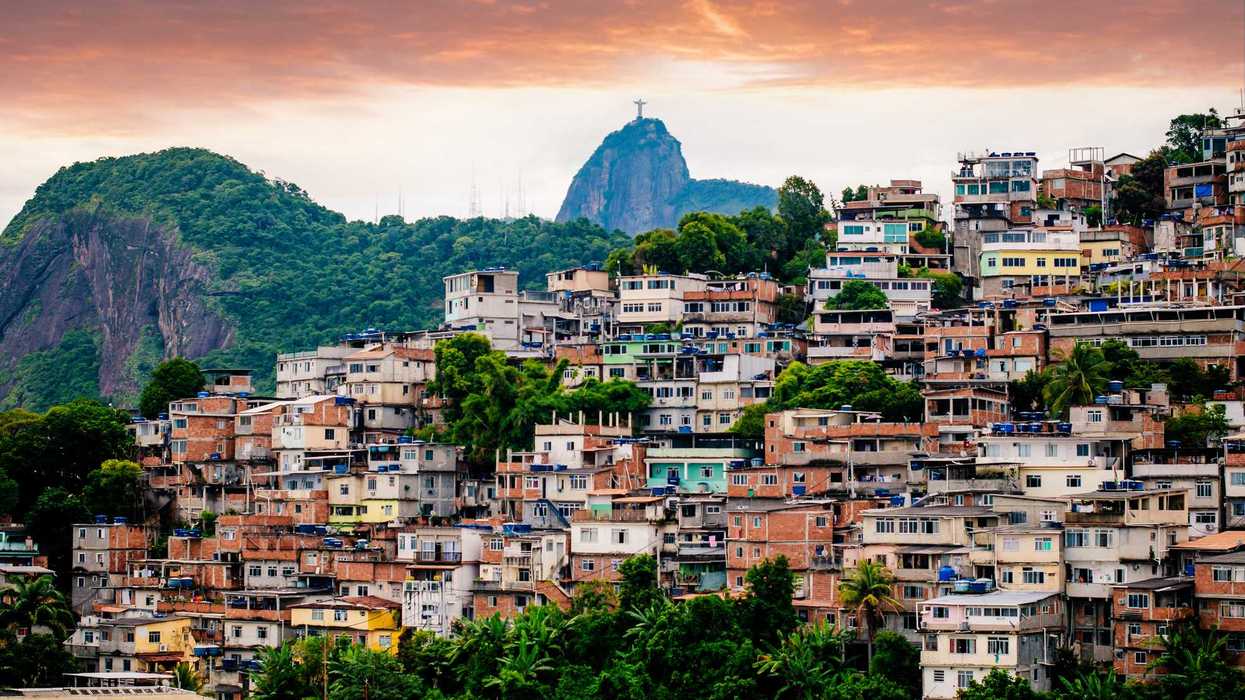
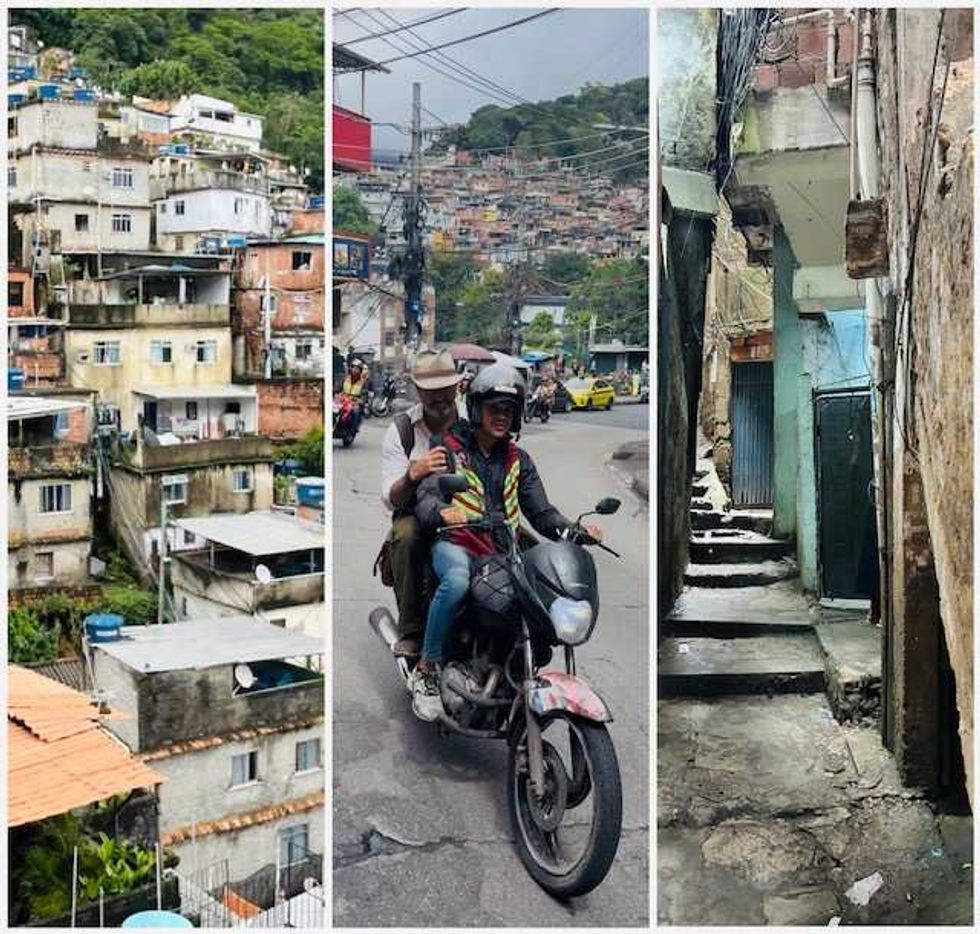 Scenes from Favela Rocinha, Brazil - (R-L) Rows of brick homes, Hugo Balta on a motorcycle taxi, and steep, winding roadsHugo Balta

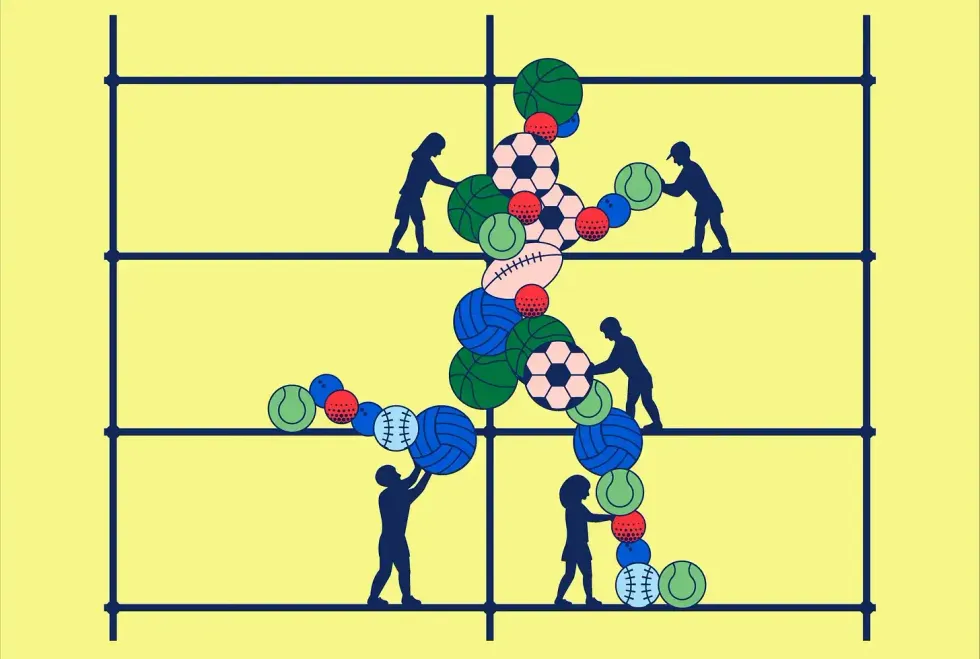 Following our HWF Civic Futures kickoff last week with Eric Liu, our design partners at Public/Official have created a unique visual to capture the “civic scaffolding” spirit of this conversation.
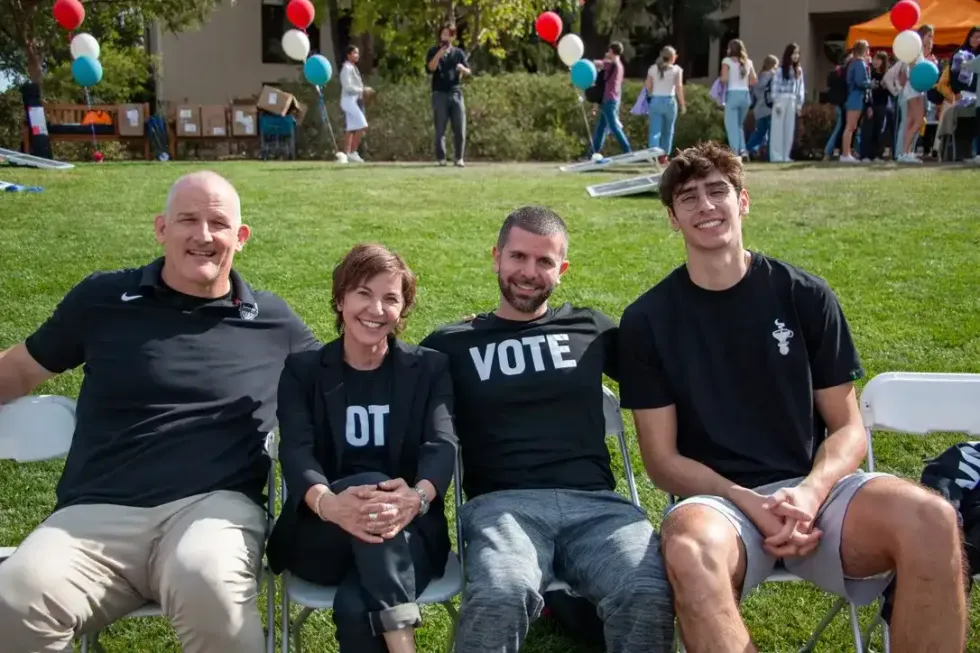 Lisa, Coaches Rev and Matt Elkin, and former Stanford Men’s Basketball star Maxime Raynaud at Stanford’s “All Vote No Play” Democracy Day, 2025