


Background
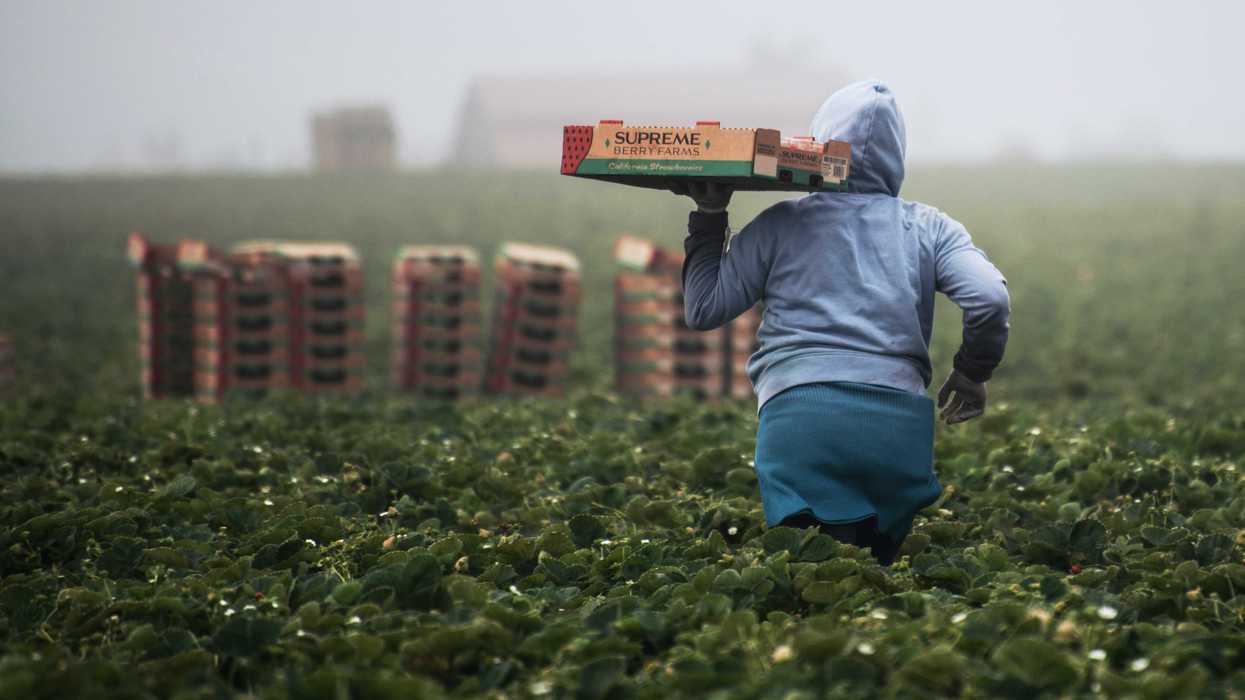
Immigrant and undocumented workers are the backbone of many major American industries, especially meatpacking, poultry, and agriculture. In total, immigrant workers make up about 21 percent of the American food supply-chain workforce. Yet the same industries that rely so heavily on immigrant labor also report some of the country’s highest injury, illness, and labor-violation rates. This has fueled an ongoing policy debate: should the federal government expand workplace protections for immigrant workers, or would stronger federal oversight go too far? Supporters believe tighter rules are essential to prevent exploitation, while critics worry about rising compliance costs, reduced flexibility for small businesses, and government overreach.
At the heart of this debate is how “workplace protections” are defined and enforced. Federal laws like the Occupational Safety and Health Act (OSHA), the Fair Labor Standards Act (FLSA), and Section 274B of the Immigration and Nationality Act require employers to provide safe, fair, and nondiscriminatory conditions for all employees, regardless of immigration status. Enforcement is split between OSHA, the Department of Labor (DOL), and the Department of Justice’s Immigrant and Employee Rights Section. However, these agencies do not always work together effectively. A 2023 Government Accountability Office report found that OSHA and the Department of Agriculture’s Food Safety and Inspection Service (FSIS) often fail to coordinate on worker-safety inspections, leaving many immigrant workers without consistent protection. Those gaps have created the space for today’s policy divide.
Arguments in Favor of Stronger Workplace Protections
People who support stronger workplace protections point first to safety. The data is hard to ignore. OSHA reported in 2024 that meat and poultry workers suffer serious injuries at twice the rate of other workers, with occupational illnesses six times higher than the national average. Investigators from the National Institute for Occupational Safety and Health found similar problems at a Michigan pork plant, documenting high rates of musculoskeletal disorders and exposure to chemicals like peracetic acid. A 2025 USDA-backed review summarized by Reuters found that more than 80 percent of poultry workers are at risk for musculoskeletal disorders, with many saying they’re afraid to report injuries for fear of retaliation. To advocates, that fear says as much about enforcement as about safety because if workers can’t speak up, then the rules meant to protect them do not really work. In fact, research shows that immigrant and undocumented workers are significantly less likely to report injuries or unsafe conditions, often because they fear job loss, deportation, or being targeted by immigration authorities.
Economic exploitation adds to the picture. The Department of Labor’s Wage and Hour Division found violations in 84 percent of its agricultural investigations from 2022 to 2024, recovering over $1 million in back wages and damages for about 1,300 workers. The Economic Policy Institute reports similar results, finding that nearly 70 percent of agricultural investigations uncovered wage-law violations. Advocates point to these numbers as proof that wage theft is widespread, not occasional. Critics of the current system also note that federal visa programs like H-2A (which brings seasonal migrant farmworkers to the United States) often fail to protect participants from abuse. A ProPublica investigation found that the H-2A program left many workers exposed to wage theft, unsafe housing, and even violence. For reformers, this shows that immigrant labor is essential to American food production but is still treated as disposable. If temporary visa holders face such abuse, advocates warn that undocumented workers (who lack even the limited legal protections of H-2A employees) often endure even harsher conditions, from unreported injuries to outright threats of deportation for speaking up.
Discrimination and retaliation make these challenges even harder to address. Federal law already bans citizenship-status and national-origin discrimination under Section 274B of the INA, but enforcement rarely reaches the ground. A study in the Journal of Agromedicine found that Latino farmworkers who felt discriminated against were more likely to be injured on the job and less likely to seek medical care. Reports by Human Rights Watch describe how employers sometimes use workers’ undocumented status as leverage by threatening termination or deportation if they speak out about unsafe conditions. One legal analysis notes that this forces employees to choose between reporting abuse and keeping their jobs. Supporters of reform argue that clearer complaint channels and stronger anti-retaliation protections are necessary if laws are to have any real effect.
Arguments Against Stronger Workplace Protections
Opponents, though, see risks in expanding federal control. Industry groups and trade associations warn that new federal mandates could place a heavy financial burden on small farms and processors already operating on thin margins. In Nebraska, agriculture leaders have called for deregulation, saying that newer worker-protection and anti-discrimination rules add costly administrative layers under the banner of diversity and inclusion. Many small producers fear they’ll be unable to afford compliance, potentially leading to layoffs or automation. Research from the Georgetown Poverty Center found that some companies already recruit undocumented workers to suppress union efforts and minimize costs. Critics argue that additional federal oversight could worsen this trend by pushing unethical practices further underground instead of fixing them.
There’s also the question of scope, or how far federal regulations should go. Meat-industry groups have urged presidents from both parties to scale back OSHA and USDA oversight, arguing that regulators have exceeded their authority. A 2023 AgPros report reflected similar concerns, citing producers who said that recent federal rulings impose “overreaching” standards that interfere with state-level regulation and local flexibility. Opponents of stricter enforcement worry that more federal involvement could make compliance slower and more bureaucratic, creating inefficiencies that hurt both employers and workers. They contend that workplace safety goals might be better met through state partnerships or targeted programs rather than blanket federal expansion.
Future Prospects
Still, both sides agree on one thing: immigrant labor is indispensable to the American economy. Immigrants make up 21 percent of the national food-supply workforce, keeping shelves stocked and production lines moving. That reality complicates the policy question. How can the federal government ensure safe, equitable conditions without hurting the industries that depend on this labor? Some policymakers suggest practical middle-ground reforms, like improving coordination between OSHA, FSIS, and DOJ to close enforcement gaps; expanding whistleblower protections for immigrant and undocumented workers; and providing compliance assistance for small agricultural employers. These steps would target the most visible weaknesses without introducing heavy new regulatory layers.
Conclusion
In the end, the debate over workplace protections for immigrant workers is less about ideology than about responsibility. One perspective argues that protecting vulnerable workers is a federal obligation tied to basic fairness and safety. The other caution is that well-intentioned rules can easily slide into overreach, making it harder for small producers to stay afloat. The evidence of injury, wage theft, and discrimination shows that existing enforcement isn’t enough, but the cost concerns raised by employers are real too. A balanced approach that strengthens coordination, transparency, and worker protections while helping smaller businesses comply may offer the most realistic path forward.
Protecting Labor, Supporting Industry: The Debate Over Workplace Protections for Immigrants was first published by the Alliance for Citizen Engagement and republished with permission.
Mariam Nageeb is an Immigration Policy Team, Student Fellow.






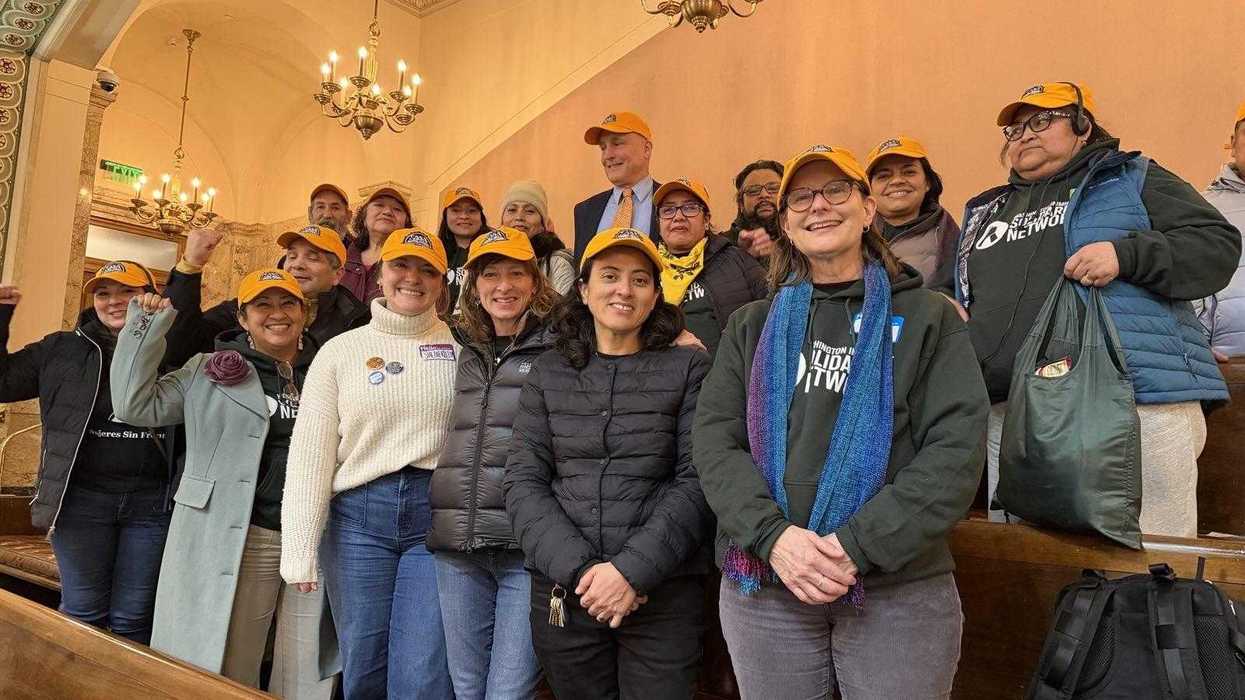
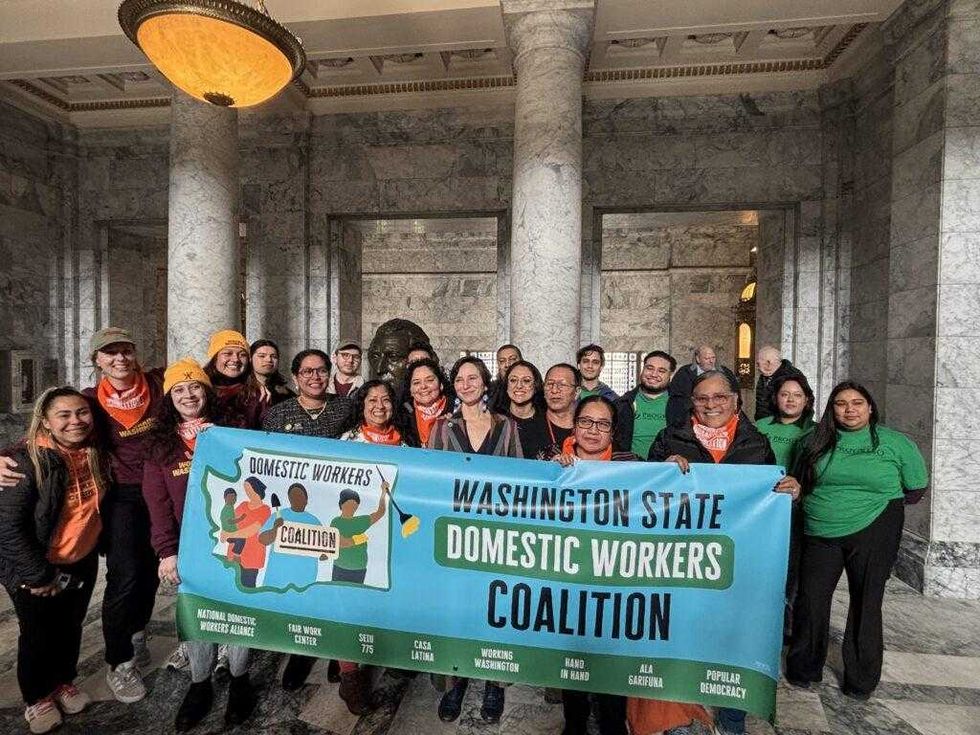 State Sen. Rebecca Saldaña, center, stands with members of the Washington State Domestic Workers Coalition at the state Capitol on Feb. 28, 2026. The Domestic Workers Bill of Rights passed in the House that day, before being signed into law in March. (Photo courtesy of Casa Latina)