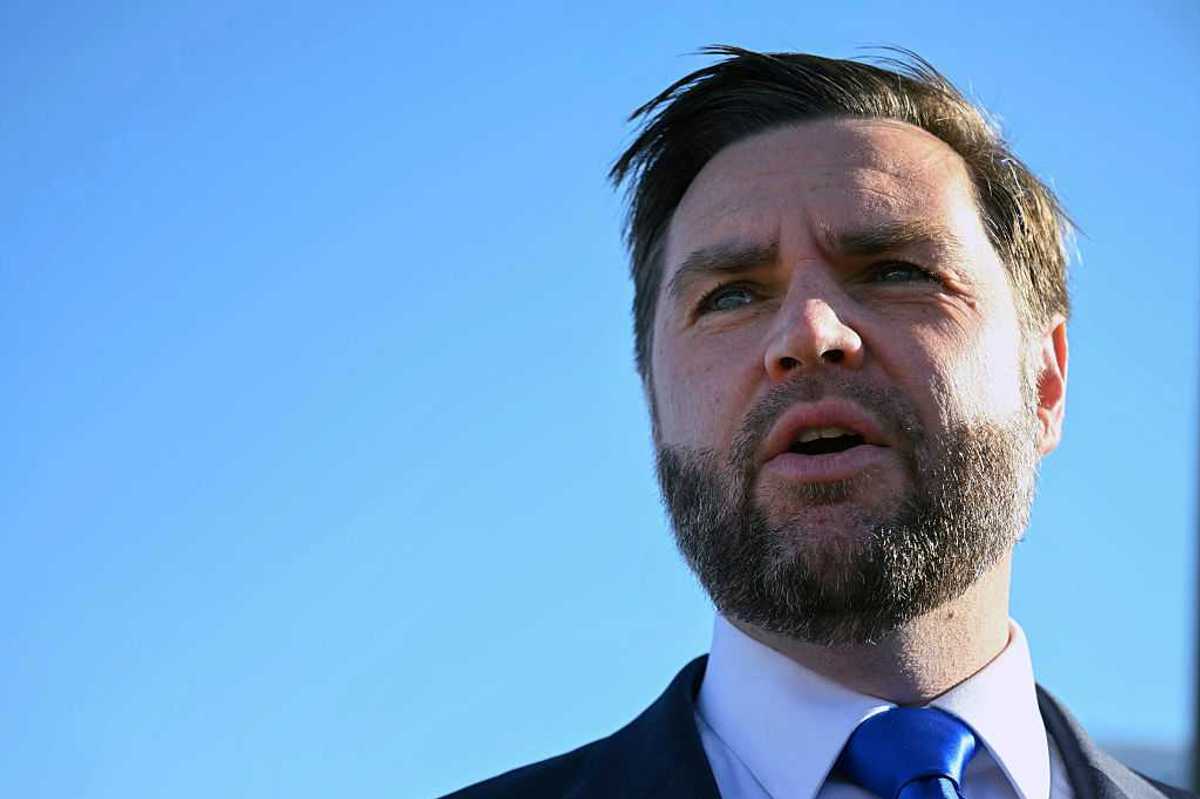




Andy Beshear, Kentucky's democratic governor, has a new book out this week called Go and Do Likewise: How We Heal a Broken Country. The publisher describes it as an effort to “reclaim faith as a force for good” and counter people who use religion to harm and discriminate. Given Beshear’s prominence in Democratic politics and his having been named a presidential frontrunner, it is all but certain to be a New York Times bestseller.
Beshear isn’t alone. A growing number of politicians are writing and running for office in a faith-inflected register:
• Cory Booker, NJ Senator (Stand: An Urgent Call to Rekindle Our Shared American Ideals) • Raphael Warnock, Georgia Senator, ordained minister (The Crooked Places Made Straight)
• Josh Shapiro, Governor of Pennsylvania (Where We Keep the Light)
• Chris Murphy, CT Senator (Crisis of the Common Good)
• Spencer Cox, Governor of Utah (R) (Off Ramp)
• James Talarico, Democrat running for Senate in Texas, seminarian
• Adam Hamilton, running for Senate in Kansas, ordained minister and longtime author
Whatever their deeper motivations, one thing is clear—at least for Democrats: they are betting that faith-inflected political language and moral storytelling will be strategic assets heading into the midterms and the 2028 presidential election.
The words “faith,” “spiritual crisis,” “spirituality,” even “cults” saturate these books. This vocabulary lets politicians address the country’s emotional and civic anxieties without sounding partisan or technocratic. It also allows Democrats to reclaim moral language from the religious right and potentially broaden their coalition among Black and Latino voters—communities that are more religious than average Americans and essential to electoral success. In a moment when politicians are widely reviled, it lets them cast themselves as healers, even prophets.
Is This a Sign of a “Turning”?
I’ve often compared our time to the Gilded Age—another era of dizzying inequality, institutional fragility, and social fragmentation. That period, and the Progressive Era that followed, was drenched in moral and religious rhetoric.
Politicians like Teddy Roosevelt, Woodrow Wilson, and William Jennings Bryan didn’t merely use faith language; they wrapped themselves in it. Roosevelt thundered, “We stand at
Armageddon, and we battle for the Lord.” Wilson spoke of America’s “spiritual purpose” and its calling to “show the world a new path of justice and peace.” Bryan, the most prophetic of them all, confronted financial elites with his famous warning: “You shall not press down upon the brow of labor this crown of thorns; you shall not crucify mankind upon a cross of gold.”
This surge of moral rhetoric wasn’t stylistic flourish. It was part of a broader effort to stabilize a society coming apart at the seams—what some historians describe as a Great Turning, a moment when a society undergoes sweeping shifts in its moral, political, and economic structure.
The same destabilizing forces are at work today:
• Breakneck technological change
• Staggering wealth inequality
• Untrustworthy institutions
• Historically high stress and loneliness
In such moments, politicians reach for the language of conscience, purpose, sacrifice, and redemption because citizens are searching for grounding—not just governance.
If Politicians Sound Like Preachers…
If politicians sound like preachers, it may be because citizens are listening like congregants— hungry for moral steadiness in a spiritually unsettled time. The Gilded Age shows that moral rhetoric resonates when people feel overwhelmed. Today, 76% of Americans report deep anxiety about the nation’s future.
Whether this moment marks a Great Turning or merely a shrewd political tactic will become clear in time. But if a turning is underway, its direction will depend less on politicians invoking moral language than on whether citizens step forward as moral agents.
That work begins not in Washington but in neighborhoods, congregations, and civic groups— where ordinary Americans choose to build trust, repair what is frayed, and take responsibility for one small piece of our common life.
Richard McKnight, PhD, is the author of When We The People Lead, The Leaders Will Follow.