


Johnson is a United Methodist pastor, the author of "Holding Up Your Corner: Talking About Race in Your Community" (Abingdon Press, 2017) and program director for the Bridge Alliance, which houses The Fulcrum.
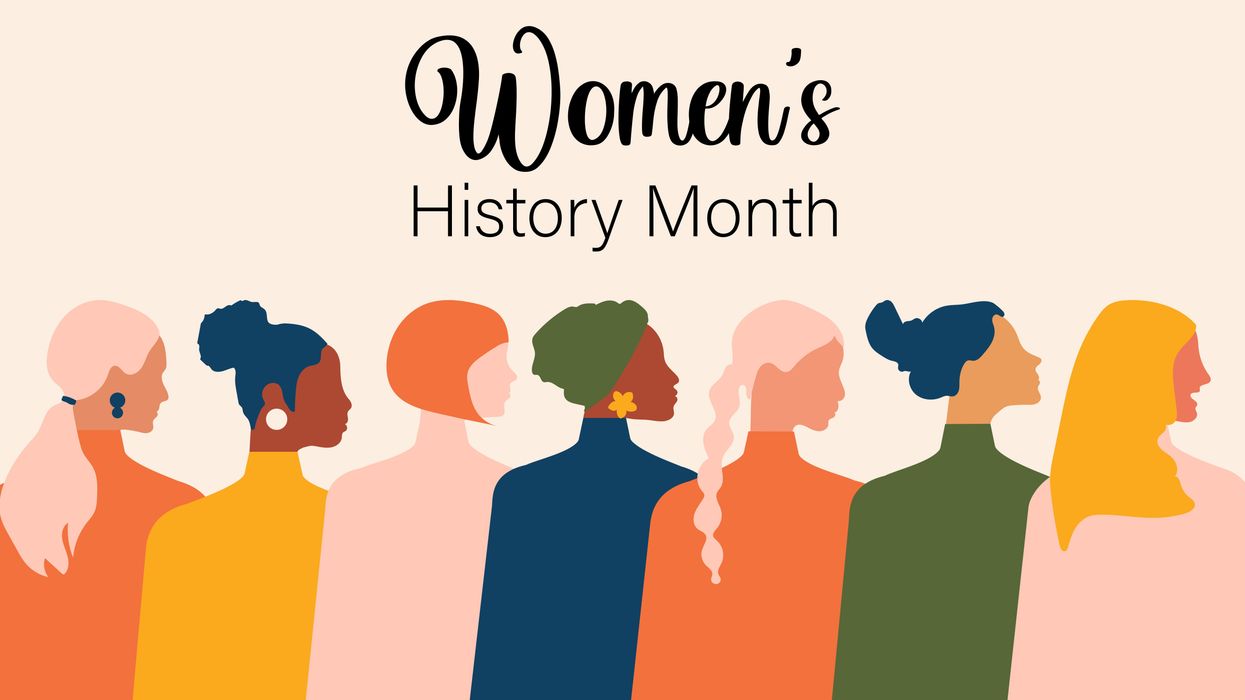
The historical significance of Women's History Month should not be understated. It was born out of the need to acknowledge the often-overlooked achievements of women that have been integral to the fabric of society.
This commemorative month, which begins March 1, traces its roots to the mid-19th century, a time marked by the suffrage movement that fought tirelessly for women's right to vote — a fundamental milestone in the journey toward equality. Over the decades, women have broken barriers in every field, from science and politics to the arts and sports, laying the groundwork for future generations.
The contemporary relevance of Women's History Month lies in the ongoing challenges faced by women. Despite significant progress, disparities persist. Gender wage gaps, underrepresentation in leadership positions, violence against women, and limited access to health care are just a few of the issues that continue to impede gender equality. Moreover, the intersectionality of race, class and sexuality adds layers of complexity to these challenges, with women from marginalized communities often facing compounded discrimination.
Women's History Month is not just about reflecting on the past; it's about recognizing the continuous thread of women's contributions that enrich our present and shape our future. The pioneering efforts of scientists like Marie Curie, Katherine Johnson and Kizzmekia Corbett have expanded our understanding of the world and laid the foundation for future innovators to build upon. Their tenacity and brilliance lead aspiring young girls to be passionate about science.
The courageous activism of Sojourner Truth and Malala Yousafzai reminds us that the fight for justice is ongoing, and each voice can be powerful in championing change. Their courage underscores the importance of standing up for one's beliefs and the impact it can have on the world. These women, among countless others, have demonstrated that socio-political resistance can take many forms, and all are essential in the journey toward equity.
Similarly, the creative expressions of artists like Frida Kahlo and Maya Angelou offer us a window into the depths of the human experience, highlighting shared struggles and triumphs. Their art transcends time and inspires those who seek to understand and express life's complex emotions. Their legacy is a testament to the power of art in not only capturing the essence of an era but also influencing culture and thought.
The evolution of women's roles is evident as we witness more female leaders who bring fresh perspectives, challenge traditional norms and advocate for policies that benefit a broader spectrum of society. This surge of women in leadership positions is a beacon of progress, demonstrating that diversity in power is not only possible but beneficial for all. As they lead, focusing on social justice, health care, education and environmental sustainability, these women are shaping a legacy that encourages future generations to continue pushing achievable boundaries.
Each of us, I believe, has a part to play in securing the future of mothers, sisters, wives, daughters and friends through acts of solidarity. Such acts serve as bulwarks against the pervasive disparities that continue to undermine the rights of women globally. A critical pillar is education. By integrating accurate and comprehensive historical accounts into educational curricula, we can empower young girls with the knowledge of their foremothers' achievements, instilling the confidence and determination to discern their paths.
We must be vigilant in our efforts to safeguard women from violence by supporting legislation that addresses domestic abuse, sexual harassment and trafficking. Ensuring that women have complete control over their reproductive rights is a non-negotiable aspect of this movement, as it is intrinsic to their autonomy and well-being.
Likewise, fostering inclusive environments in every sphere of life is critical for advancing solidarity. Inclusive spaces and systems that challenge and dismantle gender stereotypes promote diversity and provide accessible paths for leadership, which are proven to work. By doing so, we enrich our communities and workplaces and model the principles of equity and respect for future generations.
This March is a call to acknowledge the past, affirm the present, and commit to a future where women's rights are recognized and unassailable. It is a time to reflect on the sacrifices made by women before us and acknowledge the responsibility we all share to continue their legacy. Join in embracing this Women's History Month with gratitude and determination, ensuring the preservation of the inalienable rights of girls and women everywhere.
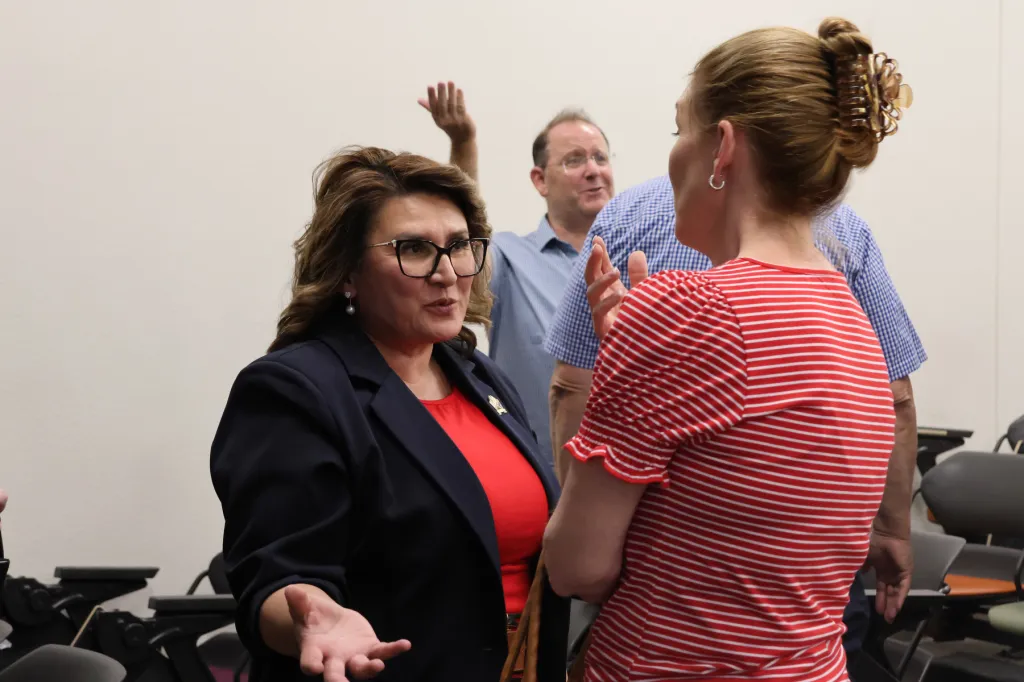 Congressional candidate JoAnna Mendoza has leaned into her working class background as she runs for a seat in the U.S. House to represent Arizona’s 6th congressional district. (Courtesy JoAnna Mendoza campaign)
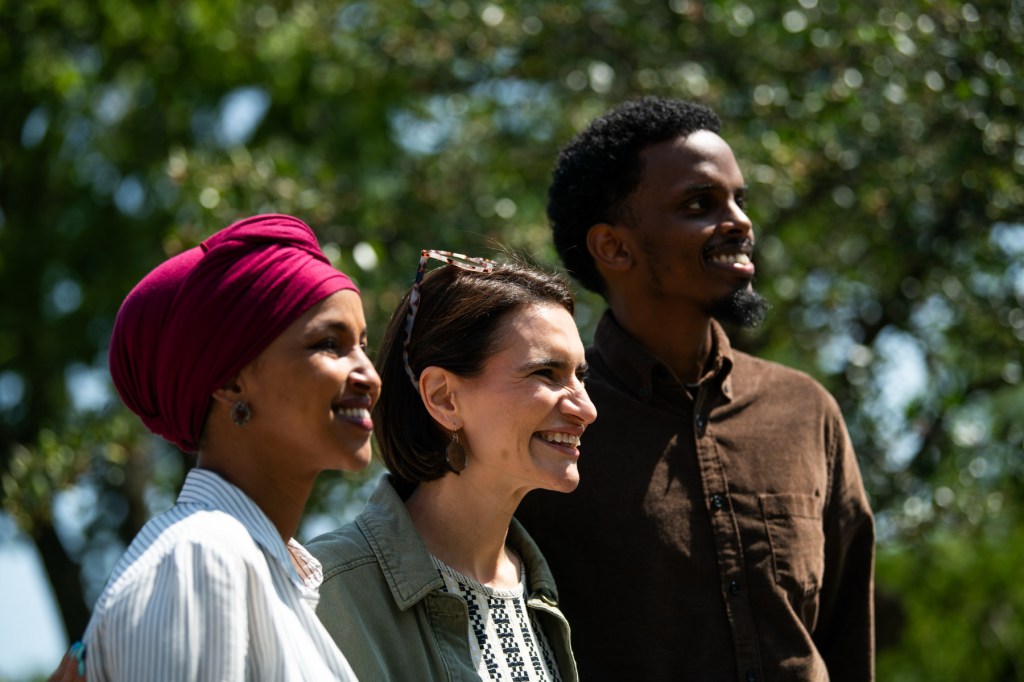 Politicians who come from working class backgrounds, like Minnesota Lt. Gov. Peggy Flanagan (center) and Minnesota state Sen. Omar Fateh (right), are resonating with voters during a particularly challenging economic period. (Stephen Maturen/Getty Images)




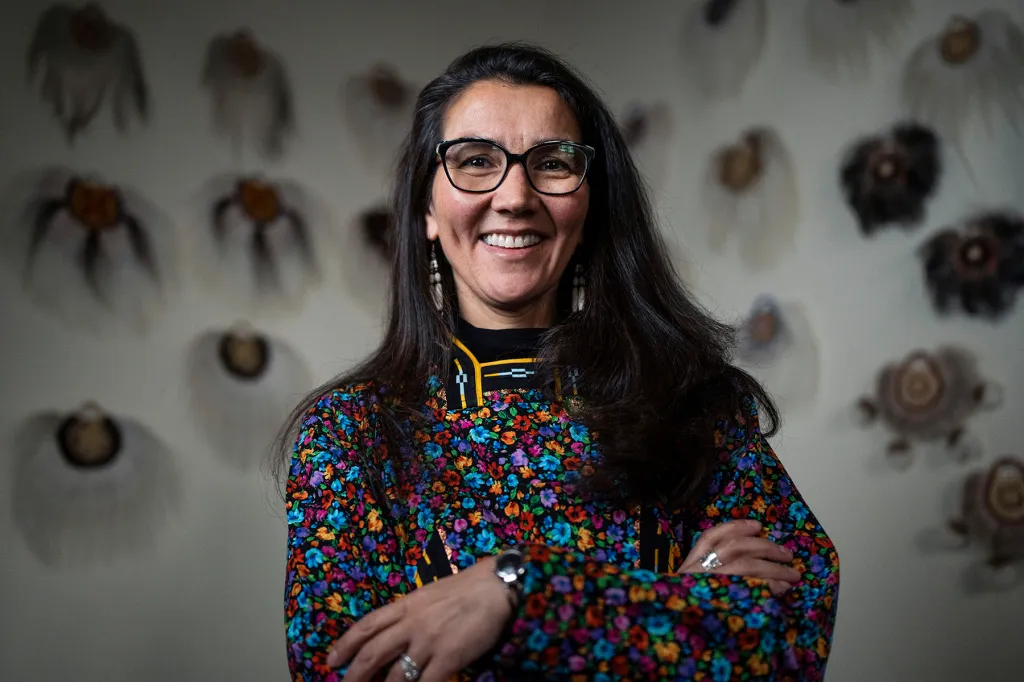 Mary Peltola poses for a portrait in her office on February 9, 2023, in Washington, D.C. (Tom Williams/CQ-Roll Call/Getty Images)
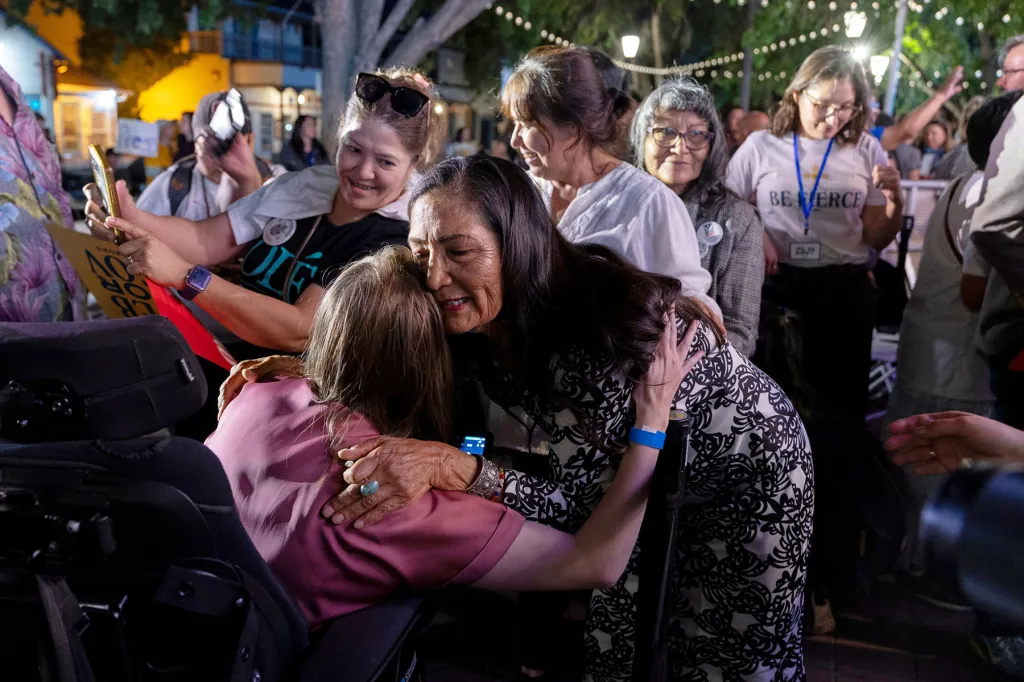 Democratic gubernatorial candidate Deb Haaland hugs and greets supporters following her speech during a primary election night watch party after winning the Democratic nomination, on June 2, 2026, in Albuquerque, New Mexico. (JON AUSTRIA/AP)