


Crises are arriving faster than we can absorb them: climate, loneliness, artificial intelligence, housing, addiction, debt. In communities across Washington state, what I see is not mainly anger. It is a sense of being overwhelmed.
When everything feels urgent, people are tempted to withdraw. And when enough of us quietly withdraw, we can begin to believe that nothing works anymore and the rules no longer apply.
In moments like these, we need to return to essential questions: Who counts as fully human? What respect do we owe one another? And how will we put those answers into everyday practice?
Our religious and ethical traditions carry generations of reflection on these questions. In my Christian tradition, every human being bears the image of One Creator. Every one. That conviction challenges every attempt to reserve dignity for the powerful, the familiar, or our own group. My belief in One Creator commands me to recognize all people as human beings—joined in a dignity and identity that transcends our differences.
Jesus spoke of “another commandment like” belief in One Creator: “You shall love your neighbor as yourself.” It refuses to let us love only our own group, for we are part of a larger one: human.
Apply this to elections: The right to vote is based on the dignity of every person and the worth of every group.
Other traditions offer their own understandings of compassion, reciprocity, responsibility, and accountability. Their differences matter. And yet even though our beliefs are very different, the basic moral agreements in these traditions are strikingly similar.
Call this our social contract: the commitment to treat one another as people whose dignity and well-being matter. We inherit this contract, but each generation must decide whether to practice it.
Our civil contract gives the social contract a public framework: constitutions, laws, courts, elections and terms of office. It establishes how we exercise power, resolve disputes and hold leaders accountable at scale.
The Declaration of Independence’s assertion that “all men are created equal” named a promise the nation’s founders did not fully achieve. Slavery, the treatment of Indigenous peoples, and exclusion of women were embedded in our beginnings. Yet, inspired by the founders’ vision, generations of Americans have worked to make equality a reality. The response to a broken promise is not to abandon it, but to make changes to fulfill it.
Our traditions don’t just carry values; they remind us that multiple values inform our actions. The prophet Micah calls us to do justice, love kindness, and walk humbly with God. Justice and kindness, love of self and neighbor belong in the same life.
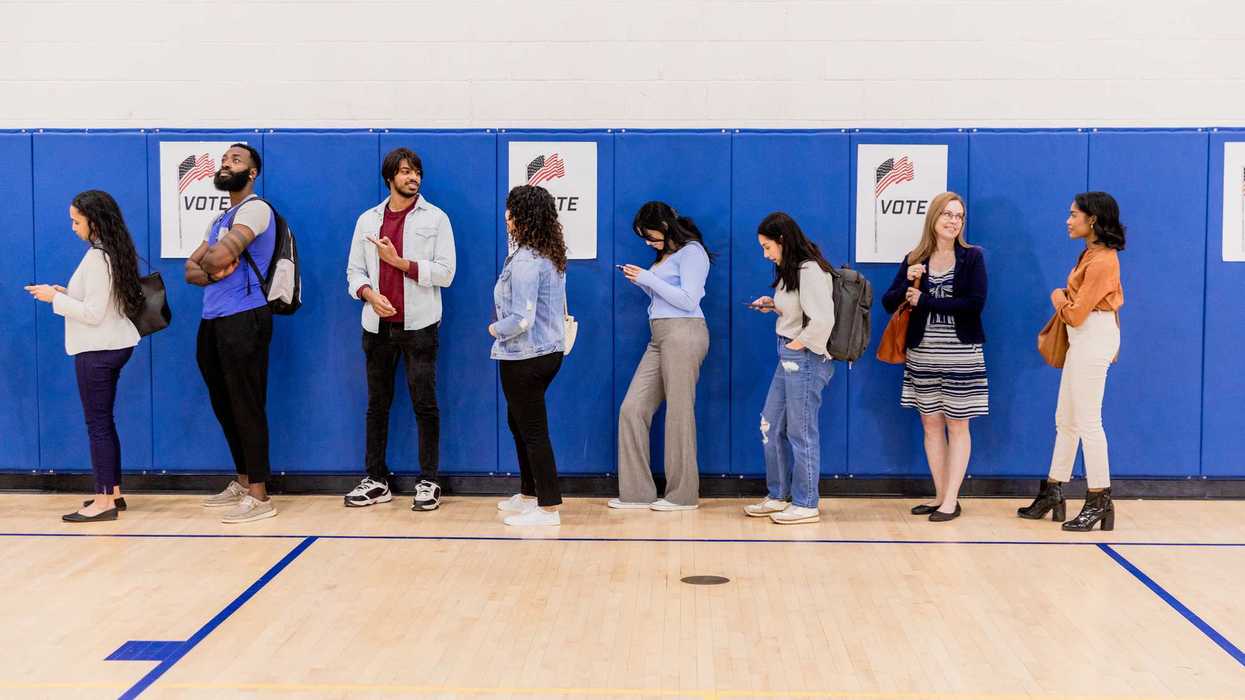
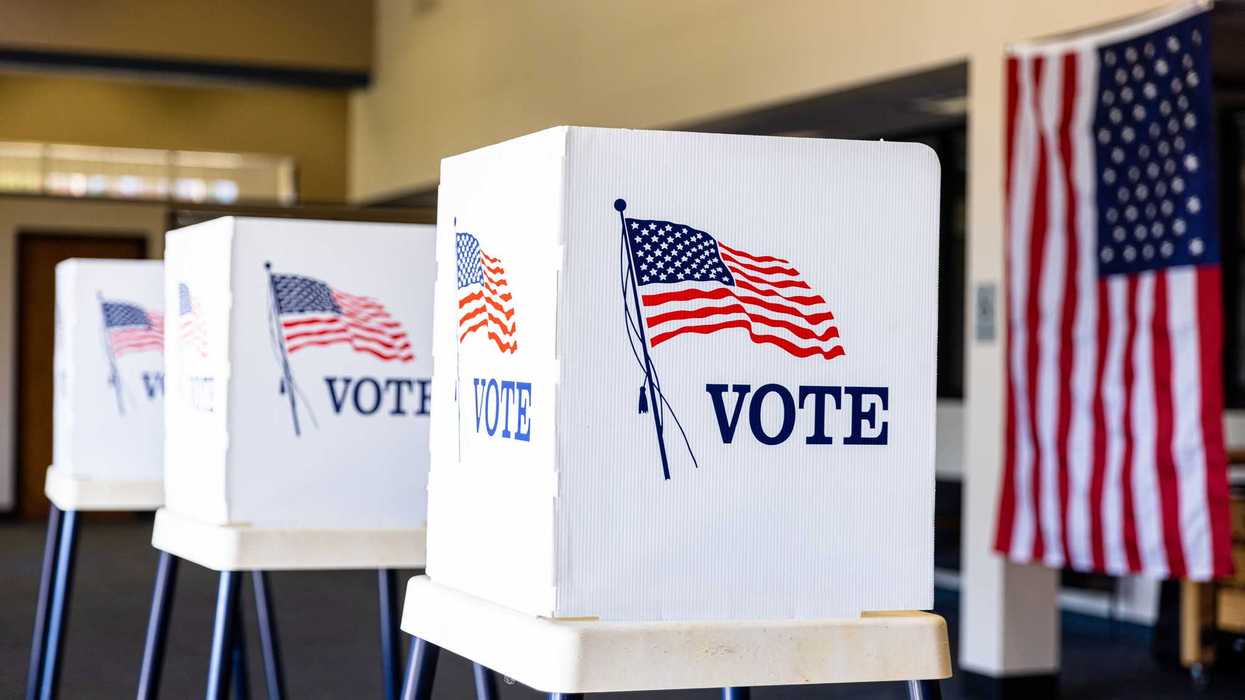
Apply this to elections: Only eligible voters should vote. Every eligible voter should be able to vote safely and have that vote counted accurately. These commitments support each other. Together, they protect our shared ability to choose our leaders.
Free, fair, and safe elections also require a commitment that lasts beyond Election Day: honoring the lawful outcome. Recounts and legal challenges have their place. We must examine evidence and correct errors through established processes. Our willingness to accept the result cannot depend on whether our preferred candidate wins.
That is where our two contracts become personal. Can I recognize my neighbor’s equal standing when their vote helps defeat my candidate? Can I remain committed to our shared rules when I am disappointed or afraid?
Faith communities can help us practice those commitments. Congregations, synagogues, mosques, temples, and sanghas ground people in the deep values of the social contract. They offer places to grieve, examine our conduct, repair harm, and begin again.
The work is ordinary and concrete. Help people register and vote. Encourage people across political differences to serve as poll workers. Check rumors before forwarding them, starting with the ones that flatter your side. Pray publicly for an honest count and for the losing side’s dignity. Commit in advance to nonviolence. When something goes wrong, pursue accountability through lawful means.
This is the purpose of Faith in America, a partnership that includes Paths to Understanding, Braver Angels, and Interfaith America. We are inviting people across religious and political differences to support free, fair, and safe elections. We provide resources to help leaders in doing so. www.braverangels.org/faith-in-america.
Online prayer gatherings are planned for October 11 and November 1. The invitation also includes recording a one-minute video explaining why these elections matter, ideally alongside someone with whom you disagree.
These actions make a public promise: We will stay engaged. We will protect one another’s participation. We will hold ourselves to the commitments we ask others to keep.
An election cannot resolve every crisis. But how we conduct it — and how we respond afterward — helps determine whether we retain the capacity to face those crises together.
We inherit teachings about our obligations to one another. We write rules for our common life. In this anxious moment, we must renew both contracts through what we do and how we respect each other.
That is how we build a country where we can belong and thrive together.
Rev. Terry Kyllo is a Lutheran pastor and directs Paths to Understanding, a Washington State organization working to gather neighbors and grow trust, and a leadership partner in Faith in America.