We are people of many traditions. We do not agree on candidates. We don't need to.
We agree on something older than any election: that every person carries a dignity that no government grants and no government may take away, and that a free people governs itself by counting every lawful vote and honoring the count.
Our nation was founded on the ideal that all humans are created equal, and yet we have, at times, lived as if some are not fully human. We have made real progress, but can and must do better. As a nation, we express this ideal through the Constitution, our laws and procedures, including the election of our representatives at every level of government: one person, one vote.
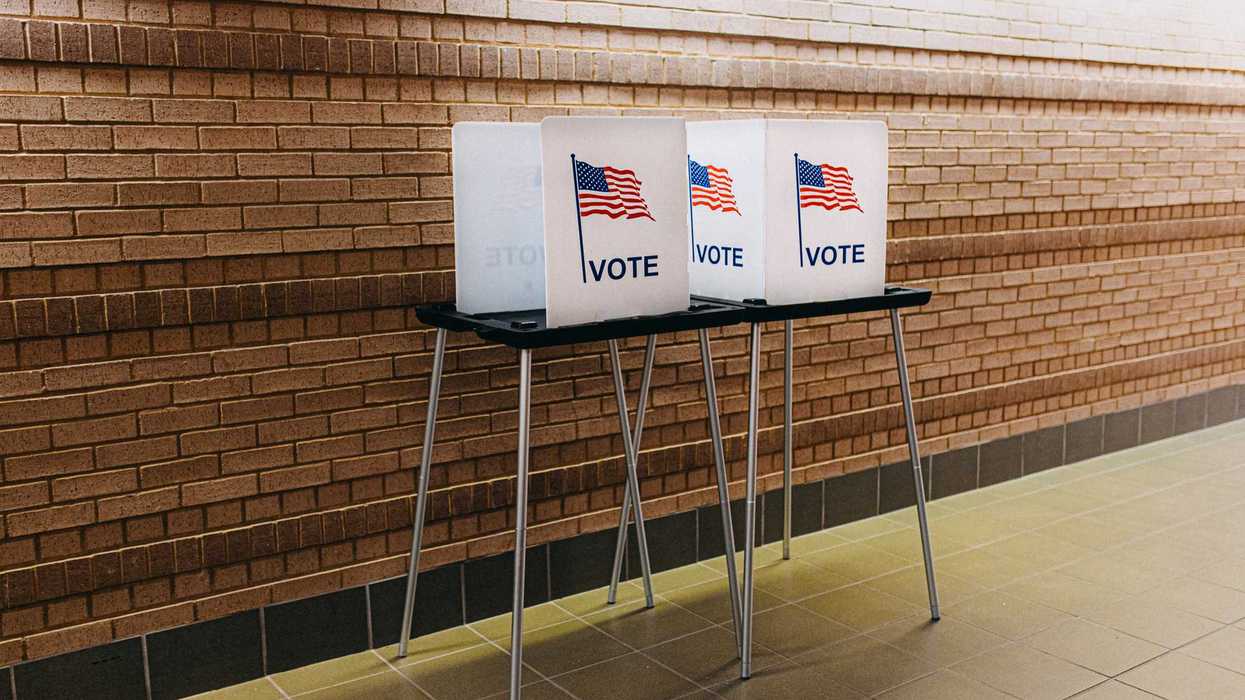
Elections are like a hinge that joins our values together. On one side is the dignity of every person: the conviction that each voice counts equally. On the other is the rule of law: the steady constitutional frame that lets millions of people who disagree govern themselves in peace.
A hinge allows a door to do two things. Open, it allows movement; closed, it gives the security of a boundary. A good election does both.
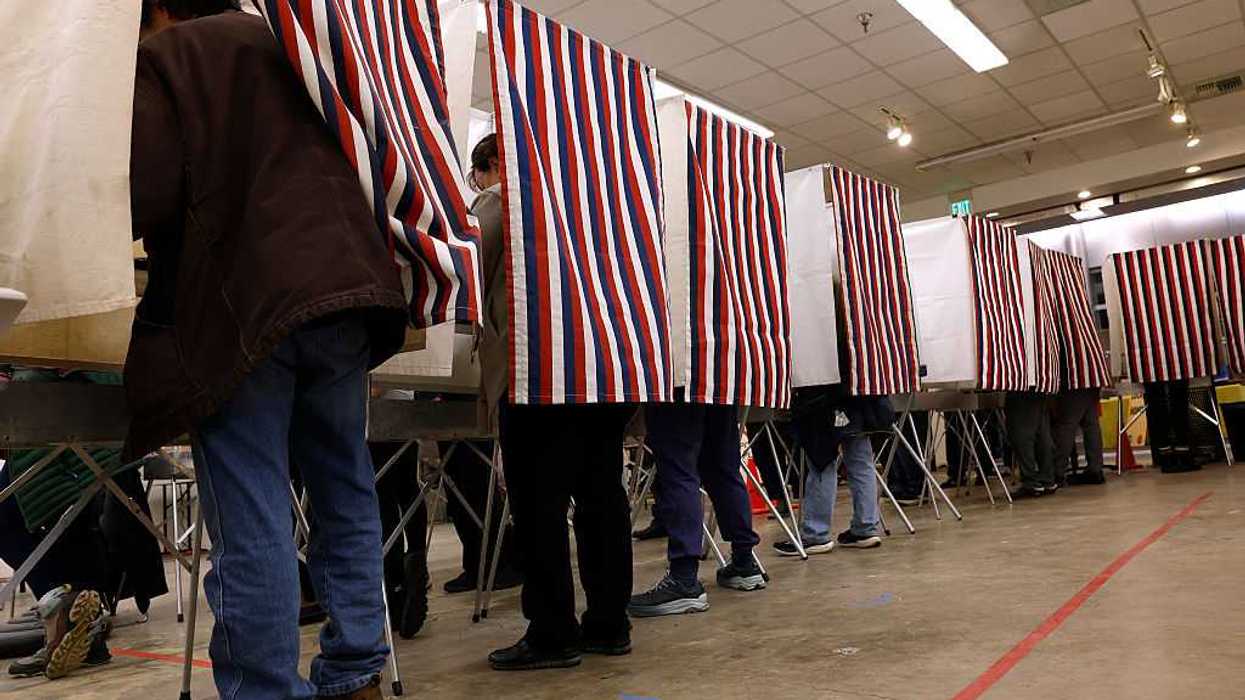
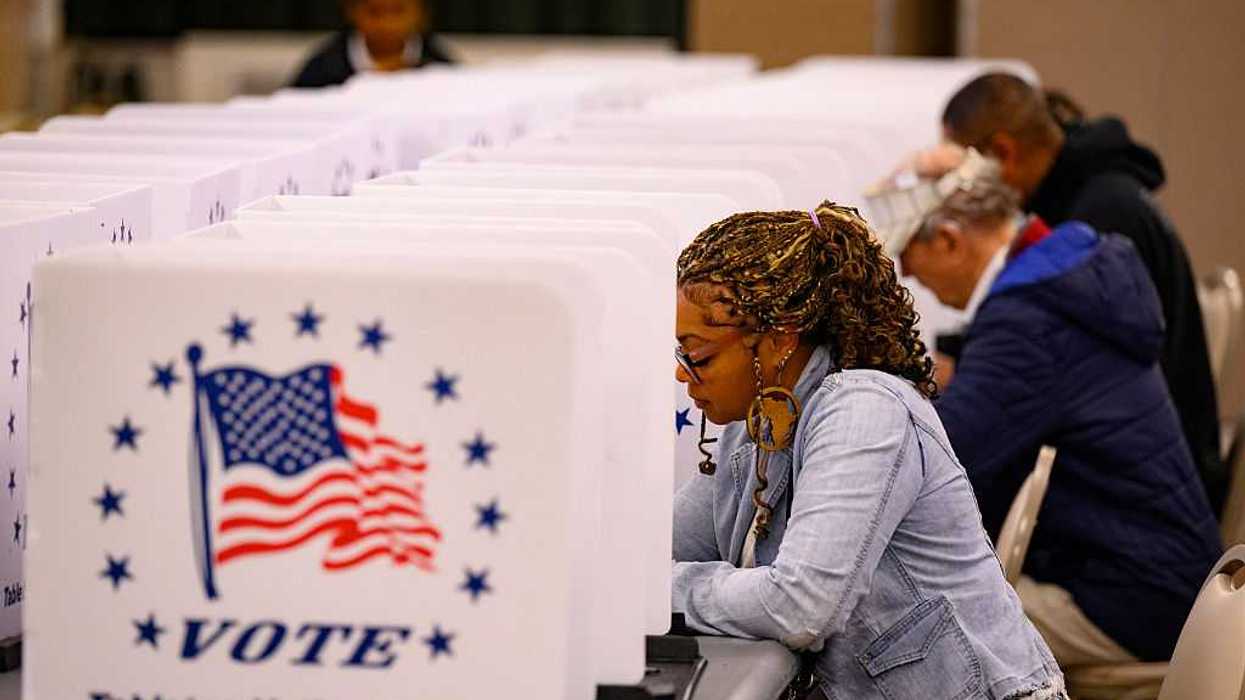
A good election, through a lawful process, opens the way for power to change hands or stay where it is, then closes on a result that all sides can accept. That is why we want this election to be fair in its rules, free in its participation, safe for every voter and election worker, and trustworthy and honored in its result.
Here are the lines that must not be crossed: not by any candidate, any party, any office, any agency, any official, or any citizen.
Counting. Every lawfully cast ballot is counted, and only lawfully cast ballots are counted. Counting is open to observers from all political parties who are entitled to by law.
Reconciliation. The number of ballots counted must reconcile with the number of voters credited with voting. If the numbers do not reconcile, the discrepancy is disclosed publicly, explained, and resolved before certification — not after, and not only when someone outside the office notices it.
Evidence. Credible evidence of an illegal vote, or of misconduct by anyone administering an election, is referred, investigated, and prosecuted. Allegations unsupported by evidence are not treated as evidence. The absence of an investigation is not proof that nothing happened, and an investigation is not proof that something did.
Rules. No official changes the rules of an election while it is being conducted or counted — not to admit ballots the law excludes, and not to exclude ballots the law admits. Where the rules are disputed, a court decides. Every official complies with that decision, including the officials who disagree.
Custody. Ballots, voting equipment, and election records remain in the custody of the officials designated by state and federal law to administer the election, from the casting of the first ballot through certification and the legal retention period.
Presence. No federal, state, or local personnel, armed or unarmed, enter an election office, counting facility, or polling place to direct, halt, or inspect its work, except as the law expressly provides, a court orders, or an emergency requires.
Certification. The officials the law names certify results on the schedule the law sets, and they may be altered only by lawful recount, lawful audit, or a court's judgment.
Seating. Those charged with convening the next Congress, and every state legislature, seat the members whose election has been lawfully certified.
Peace. No one is threatened, intimidated, or harmed for voting, administering an election, observing one, or the result of one.
These lines are not partisan; they are American. They protect the process: those elected and those not elected. They protect our nation from fear and violence, and they protect every person and the democratic republic we share.
If any of these lines is crossed, we call on all Americans, ourselves included, to say so plainly and to seek a lawful remedy. Let us do so in grief and humility rather than in anger and hostility. Whatever may be broken belongs to all of us. Yet, we must keep the door open to every neighbor, including those who voted for whoever crossed the line. Our bond as neighbors came before the election, and it will outlast it.
Finally, our traditions teach that no human and no human-created system is perfect. Imperfection is not a sign of failure nor that a system is so broken that it should be discarded. In elections, imperfection is an invitation to make the system one step better — for subsequent generations, as our nation always has.
So, we ask every person of faith and conscience to hold these lines with us, beginning with prayer for the officials and workers who administer the election, for every voter, and for our neighbors whose ballots differ from our own.
Co-Signers:
Cheryl Graeve, Director of National Programs, Engaging Differences, and Golden Rule 2020, National Institute for Civil Discourse.
Rabbi Michael G. Holzman, Northern Virginia Hebrew Congregation and Founder of faith250, a national organization that rebuilds civic culture through multi-faith spiritual conversations over our nation’s foundational texts.
Scott Rasmussen, Director of Democracy Initiatives, Interfaith America, a national organization that activates leaders to build a country that embraces pluralism, where we cooperate across differences for the common good.
Rev. Terry Kyllo is a Lutheran pastor and director of Paths to Understanding, a Washington State organization working to gather neighbors and grow trust, and a leadership partner in Faith in America.Dr. Brenda Murphy is a Christian follower in an Evangelical tradition, co-chair of Braver Faith, a department of Braver Angels, former homeschool mom, and an educational psychologist for a faith-based K-12 private school organization.
The Rt. Rv. Mark Beckwith is a retired bishop of the Episcopal Diocese of Newark and co-chair Braver Faith.