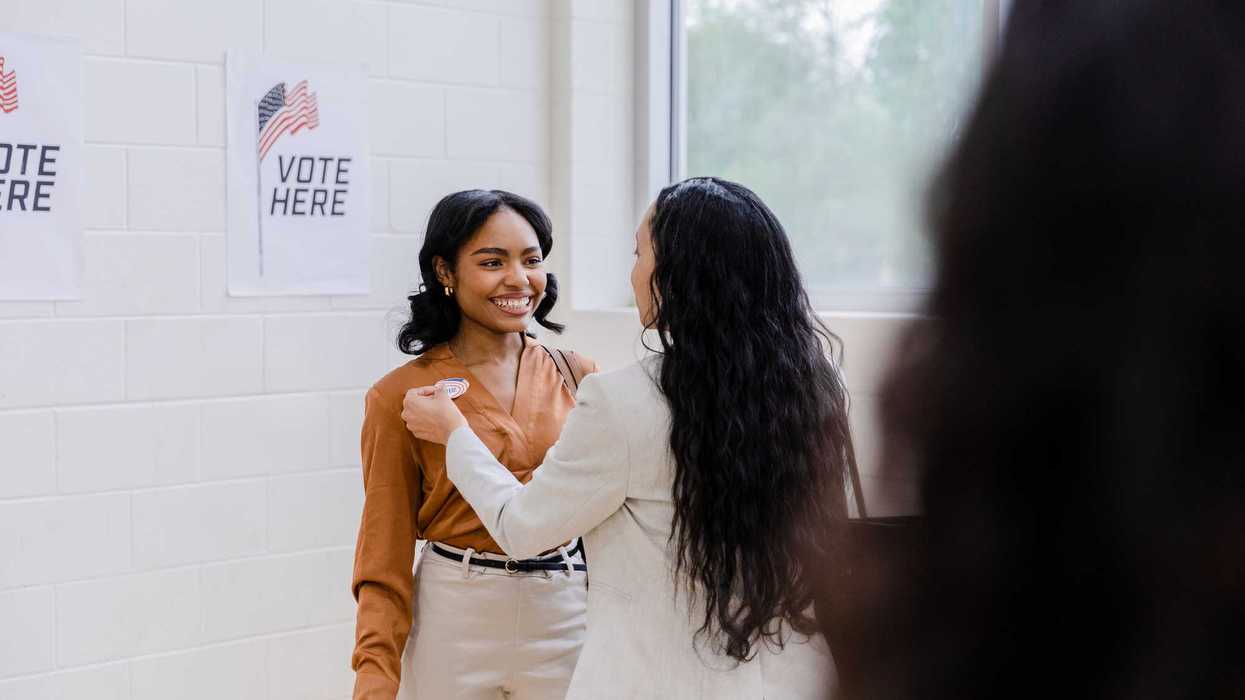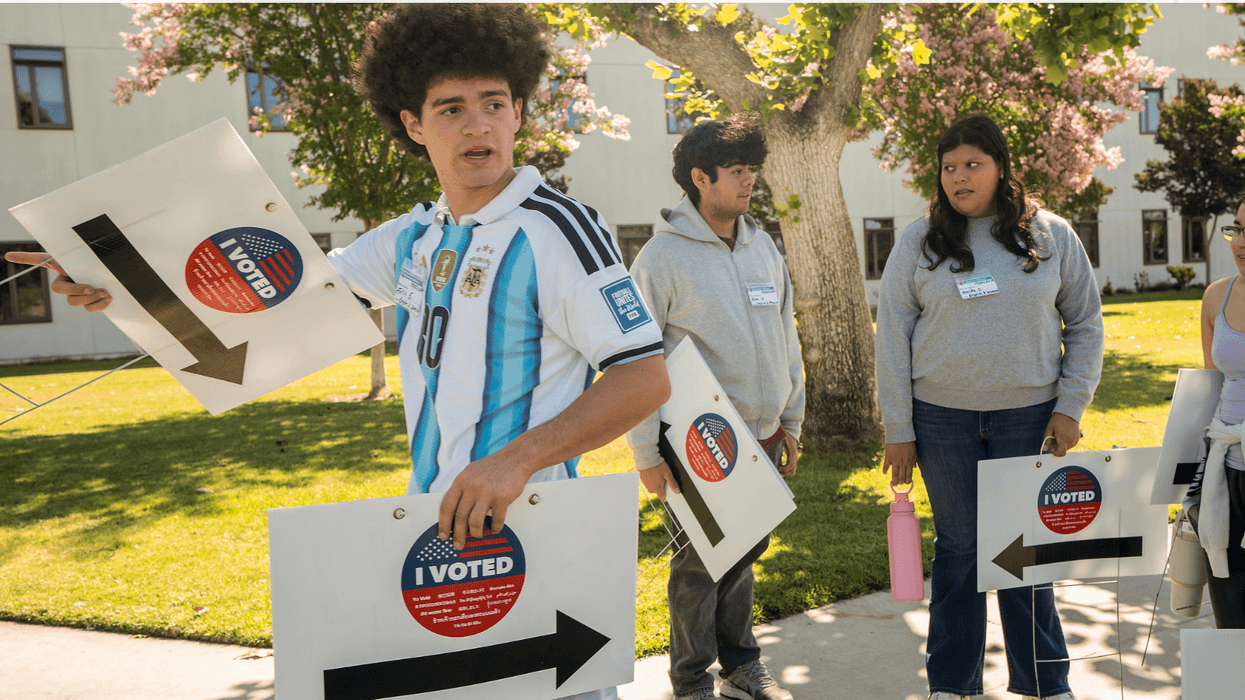


As former election officials, we’ve seen firsthand the damage that false narratives and fraying trust in our country’s election process can do. We’ve experienced the personal attacks that are fueled by that distrust and know the impact of inaccurate theories going unchecked. But we also know that most Americans – including those who question the election process – want the same thing: free, fair, and secure elections.
The holiday season often brings together family members from across political ideologies. While some may opt to steer clear of conversations deemed “controversial,” they can be hard to avoid when you’re seated next to a relative at dinner who is spewing election narratives you know to be inaccurate. As you celebrate the holidays with family and friends in the coming weeks, here are ways you can respond to election myths if they arise in conversation.
Myth #1: Voting and Ballot-Counting Machines Are Not Secure
A common theory pushed by those who question the credibility of America’s elections is that our voting and ballot-counting machines aren’t secure or accurate and are vulnerable to manipulation. Their solution? Get rid of the machines, use only paper ballots for voting, and hand-count all ballots. What most people don’t realize is that over two-thirds of U.S. voters already vote using paper ballots, and for the 2024 elections, 99 percent of voters lived in locations where their ballot was cast with a paper record of their vote – even if they voted using machines. And, there is no evidence of widespread fraud with voting and ballot-counting machines.
When it comes to counting, research has consistently found hand-counting ballots to be less accurate, slower, and more expensive than using electronic counting machines, such as ballot scanners. As Charles Stewart III, who directs the MIT Election Data and Science Lab, told The Washington Post, "Computers – which ballot scanners rely on – are very good at tedious, repetitive tasks. Humans are bad at them.”
Still, skepticism about machines often stems from a misunderstanding of how our election systems are designed. Every voting machine in use today is tested, certified, and air-gapped (meaning it’s not connected to the internet), and nearly all of them are paired with voter-verified paper backups. Those paper ballots allow election officials to conduct post-election audits and confirm that results are accurate and trustworthy.
In other words, technology isn’t replacing paper records and security – it’s reinforcing it.
Myth #2: Mail-In Voting is Susceptible to Fraud
You may also hear some relatives say that mail-in voting is ripe for fraud. The truth is that mail-in voting has proven over time to be secure and trusted. There’s no evidence of widespread fraud in mail-in voting over the years it’s been used, and states use multiple tools to protect the integrity of mail-in ballots. Those include:
- Identify verification: Most states match the signature on the ballot envelope against the one on file. If they don’t match, the ballot is either not counted or, in many states, they go through a curing process where voters are contacted directly and given an opportunity to fix it.
- Bar codes: Many states now use bar codes, which allow election officials to track ballot processing and help voters know whether their ballot has been received. This also allows officials to identify and eliminate any duplicates.
- Post-election audits: 49 states conduct post-election audits to ensure that results are accurate and that outcomes are correct. Mail-in ballots are especially conducive to audits because there is a voter-verified paper record of each vote. These audits help ensure that the results are a true and accurate accounting of all votes cast in a particular election.
Mail-in voting is the third-most popular voting method. Nearly one-third of all voters voted by mail in 2024, including about one-fifth of Republican voters. In eight states (including some red states), mail-in voting makes up more than 70 percent of votes cast.
Millions of overseas citizens and military personnel also rely on mail-in voting to participate in elections, as it is their most common voting method. Eliminating mail-in voting would disenfranchise the very people who protect our country.
If you hear someone talking about how we should ban mail-in voting, you can point out how that would threaten our rights as voters and create significant hurdles for a huge swath of the electorate – Democrats, Republicans, and Independents alike.
Myth #3: Non-citizens Are Voting in Elections
Another common false narrative is that noncitizens vote in large numbers in our elections. This can be dispelled quickly. First, noncitizens are ineligible to vote in federal and state elections, and any noncitizen who attempts to vote faces extremely serious consequences. To even register to vote, the applicant must swear they’re a citizen under penalty of criminal prosecution. And, under a 1996 law passed by Congress, noncitizens who do vote face a fine, up to a year in prison, and deportation.
Given the grave consequences for violators and the multiple layers of verification systems in place, it’s no wonder that these cases are exceedingly rare. According to a database of voter fraud cases maintained by the Heritage Foundation, only 97 cases involve allegations of noncitizens voting from 2002 to 2023 – among hundreds of millions of votes cast during those two decades.
Rebuilding Trust
Whether focusing on machines, mail-in ballots, or noncitizen voting, these myths share a common thread: they are false narratives that undermine trust in our elections. The good news is that trust can be rebuilt. It starts with facts, yes, but also with showing trust in and support for the election officials and volunteer poll workers who keep our elections running smoothly.
These are our neighbors, coworkers, and friends – the heroes who make democracy work. As you debunk the myths above, humanizing the election officials and poll workers who are dedicated to upholding free and secure elections is important – and your conversations may present an opportunity to bring up reforms that have bipartisan support.
The work of protecting democracy is never finished. Our election systems are strong, and election officials from both parties agree on practical measures to make them even stronger. Those include measures like passing and improving laws to ensure election workers are protected from violent threats, harassment, and intimidation; and advocating for Congress to reaffirm that only Congress and states, not presidents, can set federal election rules.
As next year’s midterm elections approach, let’s not shy away from conversations about trust in our elections. Correcting myths – even around the dinner table this holiday season – helps build confidence in the system that belongs to all of us. The surest way to protect our democracy is to defend the facts, support the people who administer our elections, and strengthen the institutions that make every vote count.
Bill Gates is the former Maricopa County, AZ Supervisor.
Cathy Darling Allen is the former County Clerk and Registrar of Voters in Shasta County, CA. Both are members of Issue One's Faces of Democracy initiative, a campaign of election officials and poll workers united to strengthen U.S. elections.